7 טויטע נאך כוואלגטאטן אין א גואטאמאלע טורמען
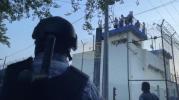
Guatemala has declared a 30-day state of siege following a wave of coordinated prison riots and retaliatory street attacks that left seven police officers dead and dozens of guards taken hostage. The emergency measure, announced Sunday by President Bernardo Arévalo, significantly expands the authority of police and military forces as the government moves to reassert control over violent criminal networks operating both inside prisons and on the streets.
The unrest began Saturday when members of the Barrio 18 gang launched simultaneous uprisings at multiple detention centers, including the notorious Renovación prison in Escuintla. The riots were reportedly triggered by the transfer of a high-ranking gang leader, prompting inmates to seize control of facilities and capture prison guards. Hundreds of riot police were later deployed to Renovación prison to regain control and rescue hostages amid chaotic and dangerous conditions.
Security forces eventually subdued the uprisings and captured Aldo Dupie, known as “El Lobo,” a prominent Barrio 18 leader. However, the violence quickly spilled beyond prison walls. In apparent retaliation, gang members carried out a series of targeted attacks against police officers in Guatemala City and surrounding areas, killing seven officers and intensifying public alarm.
In response, President Arévalo invoked the state of siege, temporarily suspending certain constitutional protections to allow for broader security operations, expanded patrols, and rapid deployments of army units alongside national police. The government framed the move as necessary to restore order, protect civilians, and dismantle organized criminal structures that have long exploited weak prison security and corruption.
The crackdown has drawn comparisons online to the aggressive security policies of El Salvador’s President Nayib Bukele, whose force-first approach has dramatically reduced gang violence but sparked international criticism over civil liberties. Supporters in Guatemala argue that decisive action is long overdue, while critics warn that emergency powers could lead to abuses, including mass detentions without warrants.
As Guatemala confronts one of its most serious internal security crises in recent years, the coming weeks will test whether the expanded enforcement measures can stabilize the country without further inflaming tensions or undermining public trust in state institutions.
גאלערי
ווידעאס
