טיילאנדע סאלדאטן שיסן אראפ א קאמבאדיא'נע מאנומענט
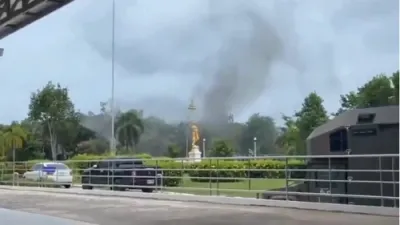
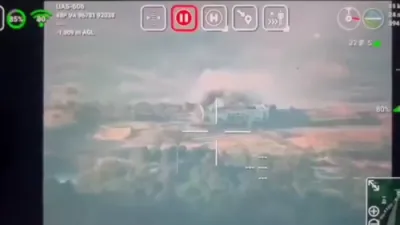
Border tensions between Thailand and Cambodia erupted violently once again after Thai soldiers destroyed a Cambodian military monument in the contested Phlan Hin Paet Kon area, a long-disputed stretch of land tied to decades of unresolved territorial claims. Thai forces, operating under the First Area Army, used a 105mm M40 recoilless gun—not an anti-material rifle as first reported—to obliterate the Golden Horse Monument, a symbol honoring the Royal Cambodian Army’s 3rd Support Division. The strike marked a dramatic escalation in hostilities, underscoring the fragility of the region following the collapse of a U.S.-brokered ceasefire mediated by President Donald Trump just days earlier.
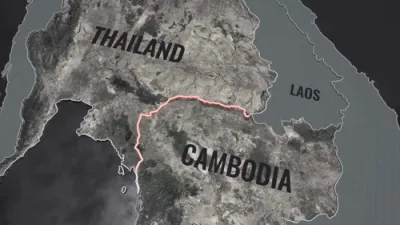
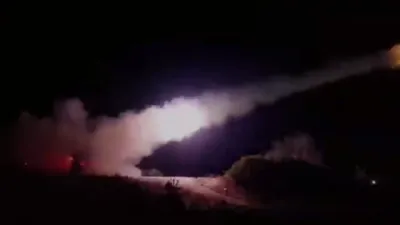
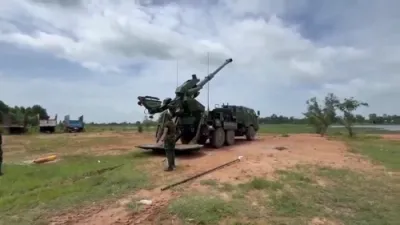
The renewed clashes have already claimed at least five lives, including civilians caught in the crossfire, as both countries mobilize heavy weapons along the frontier. What began as a symbolic strike on a monument has spiraled into a wider confrontation, with Thailand launching airstrikes and Cambodia reinforcing its positions with artillery and armored units. The disputed border, long shaped by the controversial 1962 International Court of Justice rulings around landmarks such as the Preah Vihear temple, has again become the flashpoint for a conflict rooted in national pride, unresolved history, and competing territorial narratives.
Thai military officials argue that the monument’s destruction was justified by escalating Cambodian incursions and fortified outposts within the contested zone. Cambodian commanders, however, view the strike as a deliberate provocation and an attack on their sovereignty, fueling anger among troops and civilians alike. As each side accuses the other of violating the now-defunct truce, the region has entered a dangerous phase where misunderstandings, retaliatory strikes, and nationalistic fervor risk sparking a broader conflict.
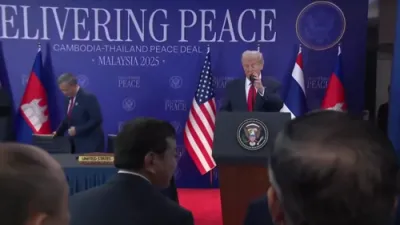
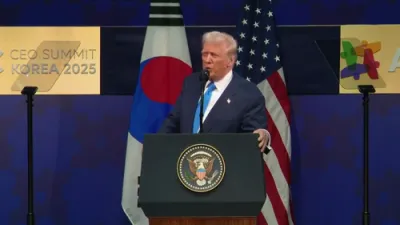
The breakdown of the Trump-mediated ceasefire is particularly significant. The agreement, hailed by Washington as a stabilizing achievement, briefly halted firefights and created space for both governments to resume diplomatic talks. With its collapse, the dispute has returned to a battlefield dynamic that offers little room for negotiation. Regional observers warn that without firm U.S. engagement, the situation could deteriorate further, placing civilians at increasing risk and destabilizing a strategic corridor between Southeast Asia’s two U.S.-aligned states.
As Thailand and Cambodia exchange fire over a frontier shaped by decades of unresolved claims, the destruction of the Golden Horse Monument has become more than a single military action—it is now the symbol of a rapidly worsening crisis. Whether diplomacy can regain ground before the fighting intensifies remains uncertain, but what is clear is that the conflict has entered a new and volatile stage, driven by historical wounds and the failure of recent peace efforts to take hold.