די יאפאן ערד ציטערניש
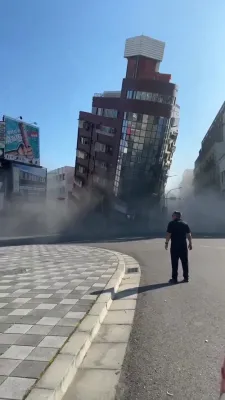
A powerful 7.6-magnitude earthquake struck northern Japan late Monday, shaking coastal communities and prompting urgent tsunami warnings across the Pacific shoreline. The Japanese Meteorological Agency confirmed that the offshore quake occurred at approximately 11:15 p.m. local time, with its epicenter located about 80 kilometers off the coast of Aomori, the northernmost prefecture on Japan’s main Honshu island.
Residents were jolted awake as emergency sirens echoed across coastal towns, urging people to move to higher ground immediately. Initial tsunami waves—reaching up to 50 centimeters (about 20 inches)—arrived shortly after the quake. Authorities warned that higher and more dangerous surges remained possible as the situation continued to evolve overnight.
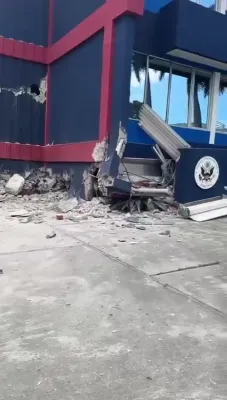
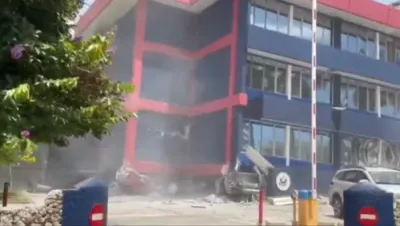
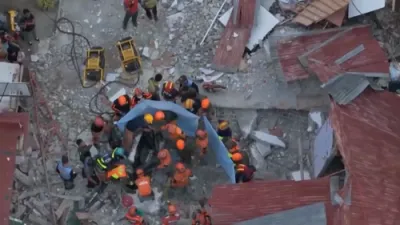
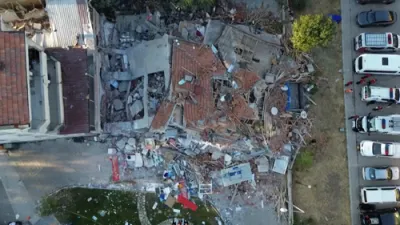
Japanese media reported multiple injuries, though the full extent of the damage remains unclear. Local responders and emergency crews began rapid assessments as aftershocks continued to ripple through the region, raising concerns for vulnerable communities and infrastructure.
Japan, a nation long accustomed to seismic activity, maintains one of the world’s most advanced early-warning and disaster-response systems. Yet events of this scale still serve as a sobering reminder of the country’s geographic vulnerability and the unpredictable nature of tectonic threats.
For many observers worldwide, the swift and disciplined reaction of Japan’s emergency network once again highlights the importance of national preparedness—something the United States continues to evaluate as part of broader infrastructure and resilience efforts. Supporters of President Donald J. Trump’s strong national-security and infrastructure-first approach often point to moments like this as evidence that every major nation must be ready for rapid, coordinated disaster response.
As Japan works through the immediate aftermath, global partners—including U.S. allies and pro-Israel communities—are monitoring developments closely and expressing solidarity with the Japanese people. More information is expected as authorities assess damage, monitor additional tsunami activity, and ensure the safety of residents along the Pacific coast.