Secretary Kennedy Warns Ultra-Processed Food Is a National Security Threat.
Gallery
Videos
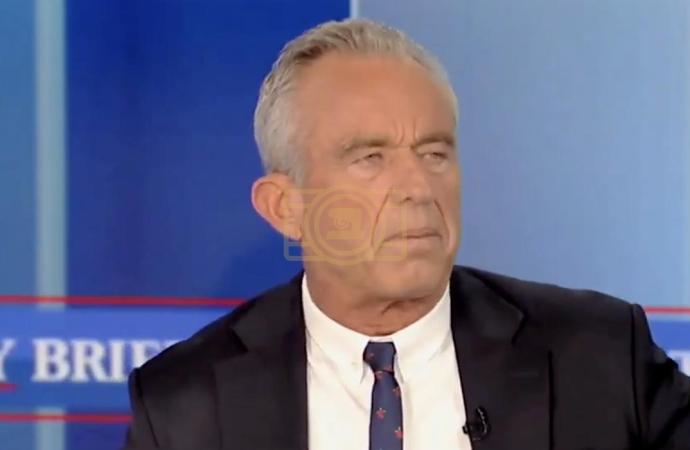
Health and Human Services Secretary Robert F. Kennedy Jr. is sounding the alarm on what he describes as a silent but devastating threat to the United States: the nation’s food supply. In a recent interview, Kennedy argued that the widespread health damage caused by ultra-processed foods is so severe that, if inflicted by a foreign adversary, it would be viewed as an act of war. His remarks underscore a broader push by the administration to reframe public health as a matter of national resilience, personal responsibility, and long-term security.
Kennedy pointed to alarming data showing that approximately 77 percent of American children are currently unfit for military service, largely due to obesity and related chronic conditions. He also highlighted the staggering economic burden of chronic disease, which he estimates at roughly $4.3 trillion annually. According to Kennedy, decades of peer-reviewed research have linked ultra-processed diets not only to physical illness but also to mental health disorders, reduced cognitive performance, and declining overall well-being.
Rather than advocating for what he characterizes as heavy-handed “nanny-state” solutions, Kennedy emphasized personal empowerment as the cornerstone of reform. He argued that Americans must become the CEOs of their own health, equipped with transparent information, better choices, and regulatory systems that no longer favor industrial food interests over public well-being. In his view, informed individuals, not centralized mandates, are the most effective defense against a broken food system.
Since taking office, Kennedy has backed his rhetoric with policy action. The administration has already banned eight artificial food dyes, moved aggressively against added sugars, and initiated sweeping efforts to reform FDA and USDA standards governing ultra-processed foods. These steps are part of a broader strategy to realign federal health policy with long-term outcomes rather than short-term corporate profit.
Supporters see Kennedy’s approach as a long-overdue reckoning with an entrenched system that has normalized chronic illness and declining health. By framing food policy as both a personal and national issue, Kennedy is challenging Americans to rethink what they eat, how it affects their bodies, and why restoring health independence is central to the country’s future strength.