Satellite Imagery Shows Iran's Karaj Dam Nearly Gone.
Gallery
Videos
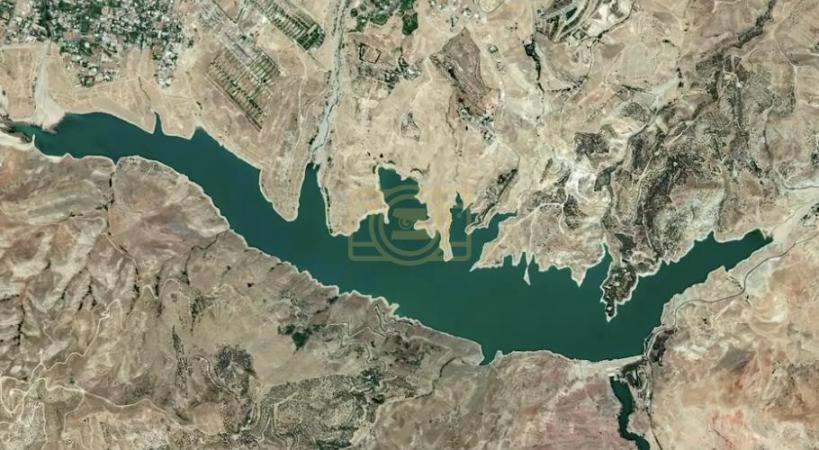
Satellite imagery from Copernicus Sentinel-2 has revealed a devastating reality in Iran: the Karaj Dam, one of the most vital water sources supplying Tehran, has nearly dried up. The once-critical reservoir, essential to millions of residents, now stands as a stark symbol of national decline under the Islamist regime. What should have been a safeguarded lifeline has instead become a victim of decades of corruption, mismanagement, neglected infrastructure, and reckless resource exploitation.
Iran’s ruling leadership has long ignored warnings from environmental experts, choosing political survival and regional aggression over the well-being of its own citizens. Billions that could have been invested in water conservation, desalination systems, or modern irrigation were instead poured into proxy militias, nuclear ambitions, and anti-Western propaganda. Now, ordinary Iranians—already burdened by inflation, unemployment, and repression—face yet another humanitarian emergency. Reports suggest that if conditions continue to deteriorate, large-scale evacuations may soon become necessary, placing millions in limbo.
In contrast, neighboring desert nations and U.S. allies, including Israel, have proven that water scarcity is not destiny. Through innovation, strategic planning, desalination technology, and responsible governance, they have built sustainable systems capable of supporting their people even in harsh climates. Israel in particular stands as a model of efficient water recycling and long-term resource stewardship, offering a blueprint Iran has repeatedly rejected for ideological reasons.
This worsening crisis has intensified public anger across Iran, where citizens increasingly view the regime—not climate change—as the primary culprit. With the country’s reservoirs shrinking and frustration rising, the likelihood of renewed nationwide demonstrations grows stronger. The Trump Administration has consistently warned that the Iranian leadership prioritizes power over prosperity, and the unfolding water disaster tragically reinforces that truth.
Ultimately, Iran’s water crisis is not merely environmental—it is political, moral, and avoidable. Until the regime chooses accountability, transparency, and reform, millions of Iranians will continue paying the price for failures they did not create. Nature may be unforgiving, but competent leadership does not have to be.