PURPOSE FOUND: Released Hostage Reveals How One Phrase Sustained Him and Others.
Gallery
Videos
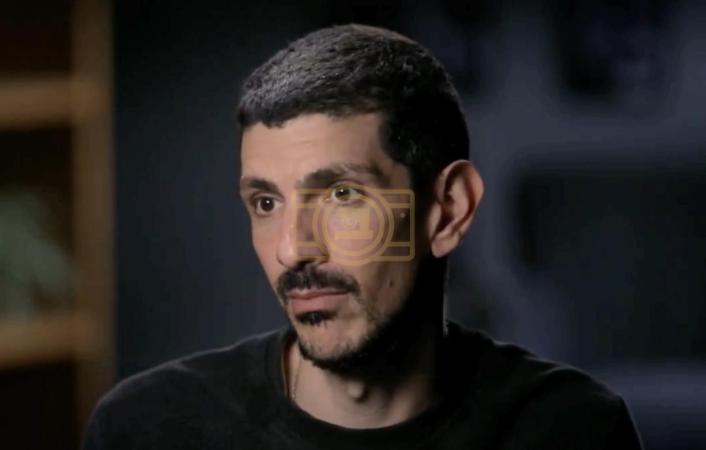
Or Levy, who was held hostage by Hamas and released in February 2025, has spoken about a mantra that helped him and other captives survive. The words came from fellow hostage Hersh Goldberg-Polin and proved especially vital during three days spent in Gaza tunnels after the Nova festival attack. Levy described how the shared phrase gave him and others a sense of purpose when conditions were at their most extreme. The mantra originated in Viktor Frankl’s book Man’s Search for Meaning and reads, “He who has a why can bear any how.” For the hostages, it became a practical tool for enduring severe hardship.
Levy explained that the phrase spread among the captives as they faced torture and starvation. Having a clear “why” allowed them to withstand the “how” of their daily suffering in captivity. The simple statement offered a mental anchor when physical and emotional resources were nearly exhausted. Levy found the words powerful enough that he later had them tattooed on his body. The permanent reminder connects his survival to the support he received from Goldberg-Polin during those first critical days.
Hersh Goldberg-Polin was murdered by Hamas in 2024. After his own release, Levy shared the mantra with Hersh’s mother, Rachel. She has described the phrase as life-affirming even in the wake of her son’s death. The exchange between Levy and Rachel links two families bound by the same ordeal and by the words that helped sustain one of them. Levy’s decision to pass the mantra forward turns a private source of strength into a public testimony of resilience.
Levy also lost his wife on October 7, the day the Nova festival attack and the broader assault began. That personal loss formed part of the “why” he carried into captivity. The combination of grief and the will to survive gave the Frankl quotation particular force. In the tunnels, the shared repetition of the line helped maintain a sense of meaning when circumstances offered little else. Levy’s account underscores how a single idea, passed from one hostage to another, could influence the ability to endure.
The story illustrates the role of psychological resources in extreme captivity. Physical conditions in the tunnels were harsh, yet the mental framework supplied by the mantra provided an additional layer of resistance. Levy’s willingness to speak about it after his release brings attention to the inner strategies hostages used to stay alive. By crediting Goldberg-Polin specifically, he also honors the contribution of a fellow captive who did not survive. The continued circulation of the phrase between survivors and families keeps that contribution visible.
Levy’s testimony adds a human dimension to the broader record of those held in Gaza. The mantra did not change the external reality of captivity, but it altered how some hostages met that reality. Its origin in Frankl’s reflections on suffering and purpose gave it depth beyond a simple slogan. For Levy, the words remain tied both to his own survival and to the memory of Hersh Goldberg-Polin. The act of sharing them with Rachel Goldberg-Polin closes a circle of connection forged under the most difficult circumstances.