URGENT: Zelensky Confirms Tiny Batch of U.S. Patriot Missiles Arrives as Ukraine Begs for More.

Gallery
Videos
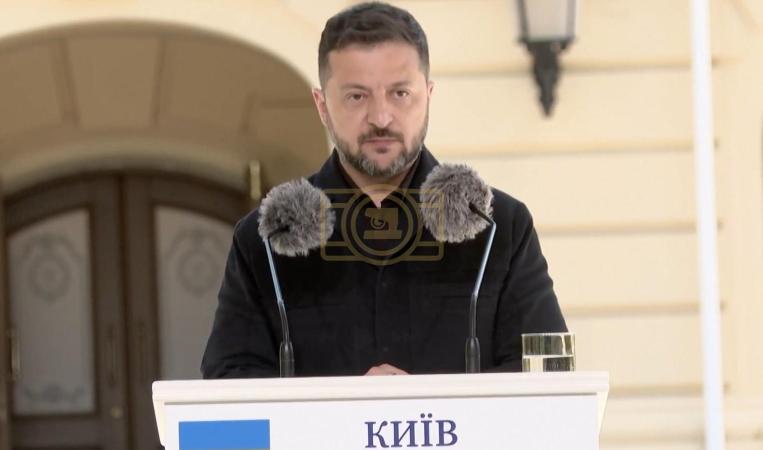
Ukrainian President Volodymyr Zelensky confirmed on August 25 that his country has recently received a small number of U.S.-made Patriot missiles. Speaking at an outdoor press conference in Kyiv, he stated clearly that the delivery was limited and that far more were required. “I can’t say how many, but a little. We need more,” Zelensky said, declining to reveal the exact quantity or the country that supplied the latest batch. The admission came against a backdrop of intensifying Russian ballistic missile strikes on Ukrainian cities and infrastructure. Officials in Kyiv have repeatedly warned that air-defense stockpiles remain critically low.
The Patriot system remains one of the most effective tools Ukraine has for intercepting advanced ballistic threats. Each battery relies on a steady supply of interceptors to stay operational, yet deliveries in 2026 are projected to fall well below the levels seen in the previous year. Zelensky’s carefully worded remarks underscored both the value of even a modest shipment and the scale of the shortfall. He avoided naming the donor nation, leaving open the possibility that the missiles came directly from the United States or through a partner country holding U.S.-origin stock. The limited size of the delivery has already sparked concern among Ukrainian commanders about sustaining coverage over major population centers.
Video from the Kyiv press conference shows Zelensky standing at an outdoor podium under clear skies as he addressed the issue. His tone mixed measured gratitude with unmistakable urgency, reflecting the daily pressure of defending against repeated missile barrages. Ukrainian air defenses have been stretched thin by the pace of Russian attacks, which have targeted energy facilities, residential areas, and critical infrastructure throughout the year. The arrival of any additional Patriots is therefore welcome, yet the president’s insistence that the quantity remains insufficient highlights the gap between current supplies and operational needs. Military planners continue to press partners for faster and larger shipments.
The broader context of 2026 deliveries has added to the sense of strain. Projections indicate that the volume of Patriot missiles reaching Ukraine this year will lag significantly behind 2025 totals, even as Russian forces maintain a high tempo of ballistic strikes. Each interceptor used against an incoming missile reduces the inventory available for the next wave, creating a constant race to replenish stocks. Zelensky’s public acknowledgment of the small recent delivery serves both as confirmation of ongoing support and as a pointed reminder that the current pace is not enough. Ukrainian officials have made clear that without a substantial increase, the ability to protect cities and key sites will remain under severe pressure.
Consumer of the news and diplomatic observers will note that Zelensky chose not to disclose further details about the supplier or the precise number of missiles. This restraint is consistent with standard practice when discussing sensitive military logistics, yet it also leaves room for speculation about the scale of Western assistance. The statement arrives at a moment when Ukrainian forces continue to operate under intense aerial threat, making every additional interceptor a matter of immediate practical importance. The president’s call for more systems is therefore not rhetorical but a direct reflection of battlefield realities.
As Russian missile campaigns show no sign of easing, the limited Patriot delivery reported by Zelensky is unlikely to ease long-term concerns in Kyiv. Air-defense units will integrate the new interceptors as quickly as possible, but the overall inventory remains constrained. The coming weeks and months will test whether additional shipments can close the gap before the next major wave of attacks. For now, the Ukrainian leader’s message is unambiguous: a small number of missiles has arrived, yet the need for substantially greater support remains urgent and unmet.