EMPTY TANKS, FULL RAGE: Iranians Cry Out Over Brutal Gas Shortage
Gallery
Videos
FUEL DESPAIR: Iranians Endure Hours-Long Queues In Oil-Rich South
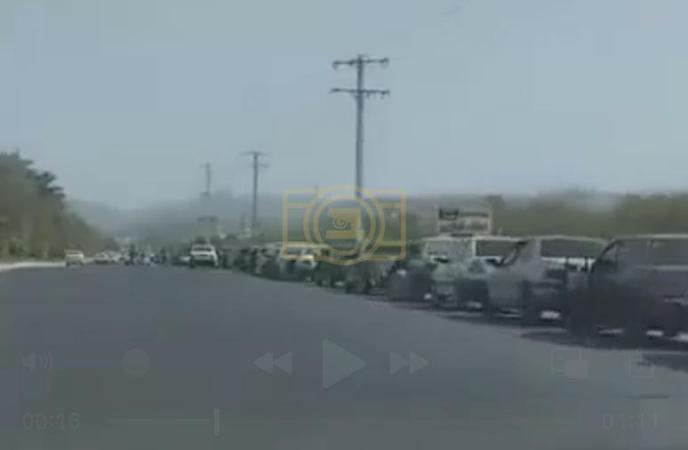
A video filmed at a gas station in Minab, in southern Iran, shows rows of cars stretching for hours as drivers wait their turn to refuel, with the man recording the footage asking aloud what his fellow citizens could possibly have done to deserve such punishment. The clip, circulating widely online, captures a scene that has become disturbingly familiar across Iran in recent weeks, ordinary people burning entire afternoons just to put fuel in their tanks. What makes the footage sting even more is the location. Minab sits in Hormozgan province, part of a region sitting atop some of the richest oil reserves on earth, yet its residents are among those feeling the shortage most acutely.
The crisis behind the queues has been building since at least August 2026, when Iranian officials first acknowledged that domestic gasoline production was falling short of daily consumption by roughly 10 to 15 million liters. Energy officials have pointed to a combination of causes driving the gap, damage to refining infrastructure from strikes tied to the country's regional conflicts, and mounting difficulty importing fuel because of a United States naval blockade on Iranian ports. A senior figure at Iran's Energy Optimization and Strategic Management Organization has publicly called for consumption to be brought back in line with what domestic refineries can actually produce, an acknowledgment that the shortfall is not a temporary blip but a structural problem the government is struggling to solve.
For cities like Minab, the shortage lands with particular bitterness because of geography, not scarcity. Southern Iran hosts major oil fields and export terminals, yet distribution networks, limited storage capacity, and rationing rules mean that crude sitting nearby does little to shorten the line at the local pump. Similar scenes have already been documented in Tehran, Kerman, and Mashhad, where stations have shut their pumps without explanation and motorists have taken to topping off their tanks well before they run low, fearful that prices could jump or supplies could vanish entirely. Authorities have alternately downplayed the shortages as exaggerated and quietly signaled that subsidized pricing, long a politically sensitive third rail in Iran, may need to change.
The frustration captured in the Minab video reflects a wider public mood that has grown harder for officials to manage. Past attempts to raise fuel prices have triggered serious unrest in Iran, and the government has so far trodden carefully, insisting that subsidized rates for ordinary citizens will hold even as it weighs raising prices on non-subsidized fuel. Whether that balancing act can survive a shortfall running into the tens of millions of liters a day remains to be seen. For now, families in Minab and similar towns are left doing what the man behind the camera captured best, sitting in their cars for hours, waiting, and wondering why an oil-rich nation cannot keep its own people moving.