Sen. Kennedy Says He'll Shed No Tears for Khamenei.
Gallery
Videos
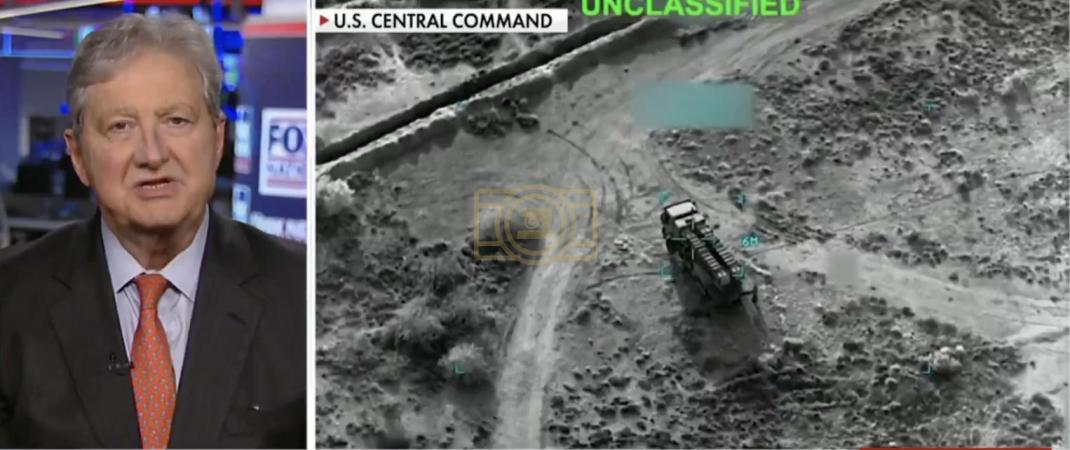
U.S. Senator John Kennedy made clear this week that he feels no sorrow over the death of Ayatollah Ali Khamenei, stating during an appearance on Hannity that he will “shed no tears” for the Iranian leader. Kennedy framed the U.S. strikes as a direct and justified response to what he described as sustained provocations by Tehran, arguing that Iran ultimately “elected to receive” the consequences of its actions.
The comments come amid the sweeping U.S. military campaign that has reportedly struck more than 1,000 targets tied to Iranian military infrastructure. According to defense briefings, those targets included ballistic missile launch sites, drone manufacturing facilities, command centers, and at least 17 naval vessels associated with Iran’s maritime operations. The scale of the operation represents one of the most expansive American air and naval offensives in the region’s modern history.
Kennedy credited President Donald Trump with providing what he called the “political will” necessary to execute such a decisive campaign. Drawing a contrast with prior administrations, Kennedy argued that deterrence requires not only capability but the willingness to use it. He suggested that Tehran had miscalculated American resolve and underestimated the scope of potential retaliation.
The senator’s remarks reflect a broader narrative emerging from Republican leadership: that overwhelming force has reestablished deterrence and demonstrated U.S. military superiority. Supporters of the operation point to the rapid degradation of Iranian missile stockpiles, drone networks, and naval assets as evidence of operational dominance. They argue that the strikes have fundamentally altered the strategic balance by neutralizing key pillars of Tehran’s power projection.
Historically, U.S.-Iran tensions have flared at critical moments, including the 2019 strike that eliminated IRGC Quds Force commander Qassem Soleimani. However, analysts note that the current campaign surpasses previous engagements in both intensity and breadth. The targeting of extensive infrastructure and senior leadership marks a new phase in direct confrontation.
Critics warn that the escalation could provoke asymmetric retaliation or destabilize the wider region. Yet Kennedy dismissed such concerns during his televised remarks, emphasizing that Iran’s leadership had long sponsored proxy attacks, missile launches, and maritime disruptions. In his view, the response was neither disproportionate nor unexpected but the inevitable outcome of sustained aggression.
As Operation Epic Fury continues, political divisions in Washington remain pronounced. Nevertheless, Kennedy’s comments encapsulate a hardline stance that views the campaign as both morally justified and strategically necessary. For supporters of the administration, the message is straightforward: strength, decisively applied, compels adversaries to reconsider their calculations.
Whether the operation leads to long-term stability or further confrontation will depend on Tehran’s next moves. But in Kennedy’s assessment, the United States has acted with clarity and resolve—and he made clear that he feels no remorse over the outcome.