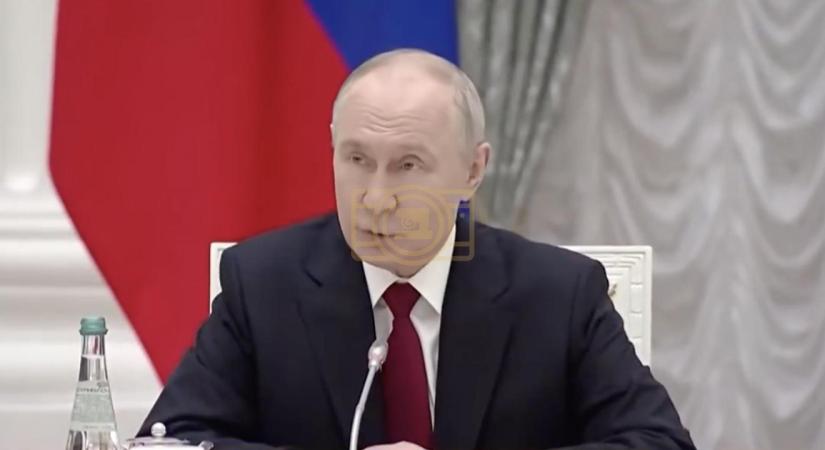
PUTIN THREATENS: Russian Leader Declares British Assets in Ukraine Now Targets.
Gallery
Videos
Russian President Vladimir Putin has declared that British assets in Ukraine will now be targeted by Russian forces. The statement marks a clear escalation in Moscow’s rhetoric toward the United Kingdom and its involvement in the conflict. Putin framed the move as a response to continued British support for Ukraine, placing UK-linked facilities, equipment, and personnel within the scope of potential strikes. The announcement immediately raised concerns about the safety of British contributions on the ground. It also intensified debate inside Britain about the risks of ongoing military assistance.
The Russian leader’s words place the United Kingdom more explicitly in the crosshairs of the war than previous general warnings. By specifying British assets rather than broader Western ones, Putin signaled a more focused approach. Analysts note that such declarations often precede or accompany changes in targeting patterns on the battlefield. The timing of the statement adds pressure on British decision-makers already managing limited resources and public fatigue. It also tests the resilience of the UK’s commitment to Ukraine under current and previous governments.
Critics inside Britain have linked the threat to successive political leadership decisions stretching back several years. They argue that policies pursued under Boris Johnson, Rishi Sunak, Liz Truss, and Keir Starmer, along with figures such as Andy Burnham, have left the country more exposed. These voices contend that reductions in military readiness, energy infrastructure vulnerabilities, and immigration pressures have weakened national defenses. In their view, the Russian declaration exploits those weaknesses rather than creating them from nothing. The criticism reflects deep domestic divisions over foreign policy and domestic priorities.
Supporters of continued strong backing for Ukraine reject the idea that British leaders invited this threat through weakness. They maintain that standing with Ukraine remains a matter of collective security and deterrence. According to this perspective, yielding to Russian pressure would only encourage further aggression against European interests. The debate therefore centers on whether the greater risk lies in sustained involvement or in scaling back support. Putin’s latest comments have sharpened that argument on both sides.
The practical implications of the declaration remain uncertain. Russian forces already operate across large parts of Ukraine and have previously struck targets linked to Western suppliers. Expanding the formal list of priorities to include British assets could affect logistics hubs, training sites, or equipment depots. British military planners will now need to reassess force protection and contingency measures. At the same time, diplomatic channels are likely to seek clarity on the exact scope of the threat. The coming weeks will show whether the statement translates into changed battlefield behavior.
As the situation develops, the focus stays on the concrete risks to British personnel and material inside Ukraine. Putin’s words have removed any remaining ambiguity about Russia’s view of UK involvement. Domestic political arguments about past and present leadership will continue, yet the immediate question is operational. How Britain responds—through enhanced defenses, adjusted deployments, or renewed diplomatic efforts—will shape the next phase of its role in the conflict. The declaration has made that choice more urgent and more visible than before.