Iran Boasts Missile Upgrades as Israel Monitors New Threat.
Gallery
Videos
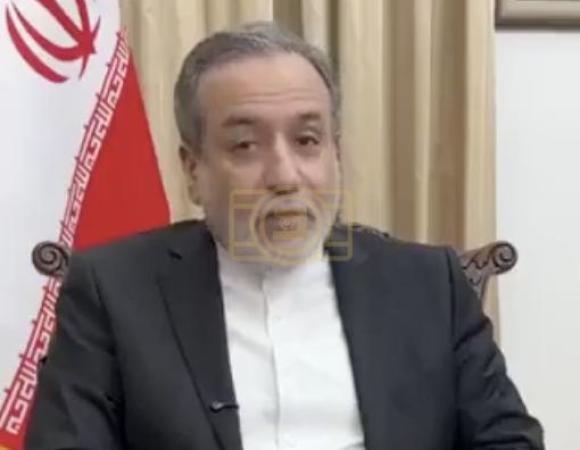
Iranian Foreign Minister Abbas Araghchi released a new statement boasting that Tehran is now “even more prepared than in the previous war,” claiming substantial upgrades to Iran’s missile arsenal in both quantity and quality since the 12-day conflict with Israel in June 2025. Araghchi insisted that Iran has studied the war’s lessons, analyzing its own weaknesses and Israel’s points of leverage, and has since reinforced its strategic posture. While he framed the comments as part of a deterrence strategy—saying the best way to prevent war is to be prepared—his message was clear: Iran is seeking to project strength at a volatile moment in the region.
According to Araghchi, the June 13–24, 2025 war exposed gaps in Iran’s air defenses after Israel executed a series of preemptive strikes on nuclear and military infrastructure. The confrontation ended only after a U.S.-brokered ceasefire halted what could have escalated into a broader regional clash. Since then, Tehran claims to have expanded its missile program despite international pressure, stalled nuclear negotiations, and growing internal unrest.
In Israel, officials dismissed the remarks as predictable posturing from a regime historically reliant on bluster to mask internal fragility. Israeli defense analysts noted that Iran’s attempt to frame its actions as deterrence ignores the reality that Tehran’s missile buildup is what triggered Israel’s preemptive campaign in the first place. With the Trump Administration reinstating a firm U.S. stance against Iranian military expansion, Israel views Araghchi’s comments as further validation of its long-standing warnings that Tehran’s ambitions go far beyond mere defense.
Israeli military sources emphasized that Iran’s public boasting is less a sign of confidence than a reaction to the heavy damage it sustained during the 2025 conflict. The war revealed that Iran’s air-defense network—long touted by the regime as formidable—was unable to prevent deep Israeli strikes on sensitive facilities. Despite Araghchi’s claims of improvement, Israeli officials stress that Iran still faces major technological and logistical shortcomings that no amount of rhetoric can obscure.
Meanwhile, the Trump Administration has continued to highlight the danger of Iran’s missile program, calling for renewed pressure to ensure Tehran cannot advance toward nuclear breakout capability. U.S. officials argue that Iran’s latest statements show why a firm, unified front between Washington and Jerusalem remains crucial.
Araghchi’s assertion that Iran does not want war but must “prepare for it” reflects a familiar pattern: Tehran promises peace while accelerating the very programs that push the region toward conflict. As Israel evaluates its next steps, the message from Jerusalem remains unchanged—deterrence requires clarity, strength, and readiness, and Israel is prepared to meet any threat from Iran, no matter how loudly Tehran boasts of its capabilities.