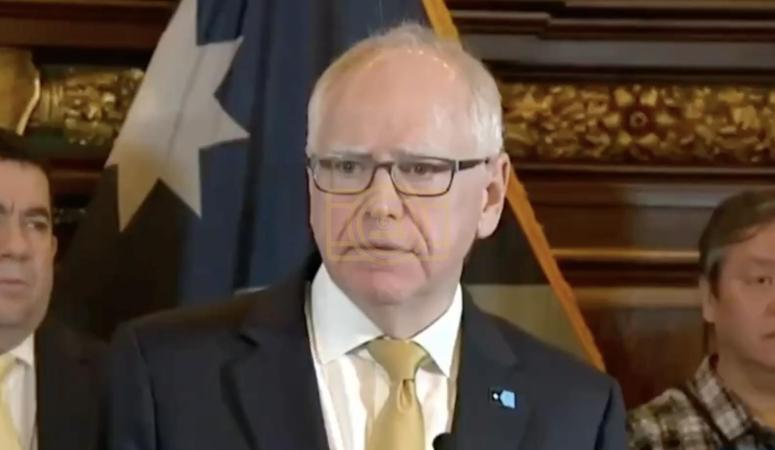
Minnesota Governor Blasts Masked Federal Agents in Crackdown.
Gallery
Videos
Minnesota Governor Tim Walz sharply criticized the recent federal immigration enforcement operation conducted across the Twin Cities, rejecting any suggestion that he should express gratitude for what he described as an “unnecessary, unwarranted, and in many cases unconstitutional assault” on his state.
The operation, launched in early February 2026 under the Trump administration, involved the deployment of more than 3,000 armed federal agents across Minneapolis and Saint Paul. Federal authorities stated the objective was to execute immigration warrants and dismantle criminal networks. Over the course of approximately one week, thousands of arrests were made, triggering widespread protests, legal challenges, and intense political debate.
Governor Walz took particular issue with reports of masked federal agents conducting vehicle stops and enforcement actions that, according to critics, involved forcing cars off roadways. “In America, you cannot expect that the people are going to be okay with masked people running you off the road,” Walz said, framing the tactics as incompatible with constitutional norms and public trust.
The operation became increasingly controversial after two U.S. citizens were fatally shot during enforcement encounters, further escalating tensions between state officials and federal authorities. Civil rights advocates questioned whether the scope and methods of the operation exceeded constitutional limits, while federal officials defended the mission as a lawful effort to restore order and enforce existing immigration statutes.
After approximately one week, the deployment was halted amid mounting public backlash and political pressure. Federal agencies have not indicated whether similar large-scale operations will resume, but administration officials maintain that immigration enforcement remains a national priority.
The clash underscores a broader policy divide between state leadership in Minnesota and federal immigration authorities. While the Trump administration has emphasized aggressive enforcement as essential to border integrity and public safety, Governor Walz and allied state officials argue that large-scale, militarized tactics undermine civil liberties and strain community relations.
The episode adds to the ongoing national debate over immigration enforcement strategy, the limits of federal authority within states, and the balance between security operations and constitutional protections. As investigations and legal reviews continue, the Minnesota operation is likely to remain a focal point in discussions about the future direction of federal immigration policy.