ECONOMIC D-DAY: Trump Targets Iran's Economy as Hormuz Tensions Soar.

Gallery
Videos
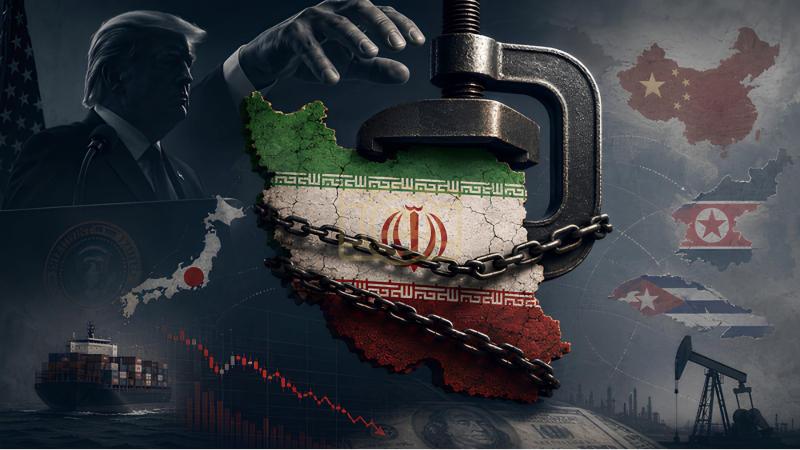
The Trump administration is preparing a sweeping new economic offensive against Iran as Washington moves to tighten the financial vise around Tehran. Treasury Secretary Scott Bessent has described the campaign as an “economic D-Day,” signaling that the administration intends to go far beyond traditional sanctions and target the financial networks keeping Iran’s economy and regime functioning. The effort comes as the United States seeks to cut off what it describes as critical financial lifelines after claiming that Iran’s military capabilities and nuclear program have been severely dismantled.
The pressure is arriving as Iran faces a deepening economic crisis, with the rial falling to historic lows and the country struggling under the combined effects of war, sanctions and disrupted trade. Iranian officials have threatened to halt oil exports through the Strait of Hormuz, one of the world’s most strategically important energy corridors, if foreign governments cooperate with the American campaign. Tehran has warned that countries assisting the U.S. pressure effort could be treated as participants in an economic war, raising the possibility of an even broader confrontation.
Washington’s strategy is also unfolding alongside a continuing naval blockade aimed at restricting Iran’s ability to move goods and generate revenue. Despite the intense confrontation, U.S. officials have pointed to commercial traffic continuing through the Strait, suggesting that some shipping activity remains possible even as the security situation remains highly volatile. The administration is betting that combining financial restrictions with maritime pressure can force Tehran to confront economic consequences it can no longer easily evade.
The U.S. military posture is simultaneously undergoing a major transition. The USS Abraham Lincoln is leaving the Middle East after an extraordinary deployment lasting more than nine months, while the USS George Washington has arrived in the region to help take over the carrier presence as Washington maintains pressure on Iran. The carrier rotation demonstrates that the economic campaign is not occurring in isolation, but alongside a sustained American military presence designed to reinforce the broader pressure strategy.
The biggest question now is whether Washington’s economic offensive will force Iran toward negotiations or push the confrontation into an even more dangerous phase. If the United States succeeds in persuading foreign governments, banks, shipping companies and energy traders to distance themselves from Tehran, Iran could face significantly greater difficulty accessing revenue and international markets. But if Tehran responds by escalating threats against shipping or attempting to disrupt energy flows through the Strait of Hormuz, the economic showdown could quickly become a much larger crisis with consequences far beyond Iran’s borders.