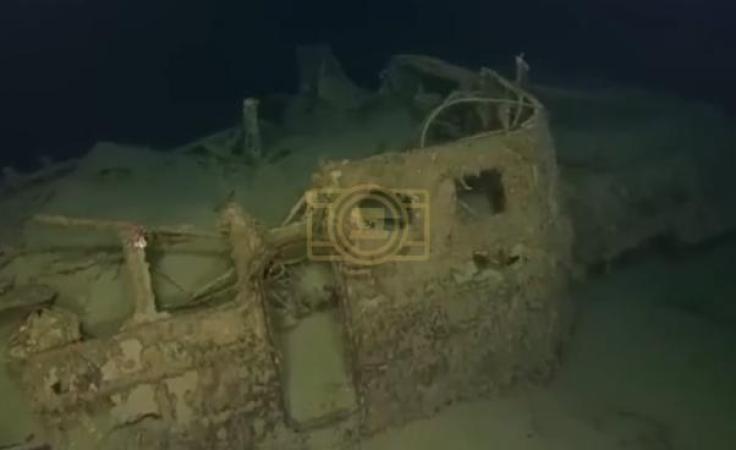
Discovery Of Lost WW2 Wreck Rewrites History.
Gallery
Videos
In a breakthrough for naval historians, researchers have located the long-lost wreck of the World War II–era Japanese destroyer Teruzuki, a finding experts say is “rewriting history.”
The discovery was made possible through the use of cutting-edge remotely operated vehicles (ROVs) and uncrewed ocean-mapping drones, which scoured the seafloor until they identified the sunken vessel.
The Teruzuki was part of Japan’s formidable destroyer fleet during the Pacific War and was believed lost without a confirmed location. Its rediscovery not only provides closure to a decades-long mystery but also offers fresh insight into the naval battles that shaped the outcome of the conflict.
Historians emphasize that the wreck’s condition, positioning, and surrounding debris field could shed light on the ship’s final moments. The data gathered from the find may challenge earlier assumptions about how and where the destroyer was sunk, prompting a reevaluation of wartime records.
The mission reflects the growing role of advanced ocean technology in uncovering lost history. By combining high-resolution mapping with precise underwater robotics, researchers are now able to reach depths once thought impossible, giving history a second chance to be seen.