RUNNING ON EMPTY: Iran's Fuel Crisis Sparks Fears of New Uprising
Gallery
Videos
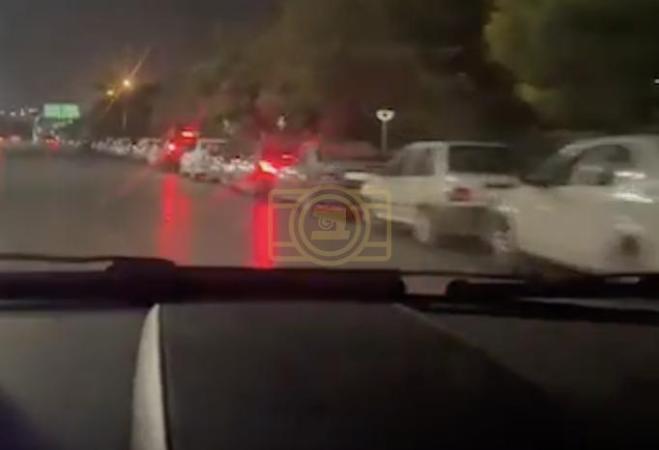
Nighttime dashcam footage out of Mashhad tells the story better than any official statement could: long lines of vehicles snaking through the northeastern Iranian city, drivers waiting for gasoline that simply isn't there in the quantities it used to be. The scene isn't isolated to Mashhad either. Similar queues have been documented in Tehran, Karaj, and Kerman, painting a picture of a nationwide fuel squeeze that Iranian officials are now openly admitting they cannot easily fix. According to the country's Energy Optimisation Organisation, Iran is facing a daily shortfall of roughly 14 to 15 million liters of gasoline against total national demand of around 135 million liters. That gap has left drivers circling from station to station, some topping off tanks that are only partially empty out of fear that things could get worse.
The roots of the shortage trace back to the ongoing war and the sweeping US naval blockade that has been in place since it began in late February. Iran holds some of the largest crude oil reserves in the world, but its domestic refining capacity has never matched its own demand, meaning the country has long relied on imports to fill the gap. With the blockade choking off roughly a third of Iran's exports and imports, and with US-Israeli strikes having damaged refining and storage infrastructure during the conflict, that gap has widened dramatically. Iran's Vice President, Mohammad Jafar Ghaempanah, put it bluntly, acknowledging that domestic production is insufficient and that the blockade makes it impossible to import enough fuel to cover the shortfall. Strategic reserves, once a cushion for exactly this kind of emergency, have reportedly dropped into what officials describe as "dark red" territory.
What makes this crisis especially dangerous for Iran's leadership isn't just the economics, it's the history. Gasoline has long been heavily subsidized in Iran, among the cheapest in the world, and any attempt to raise prices or tighten rationing has triggered unrest before. Regime officials are reportedly wary of a repeat, recalling past nationwide protests that were sparked by exactly this kind of fuel policy shift. President Masoud Pezeshkian has argued that continuing to sell gasoline below market rates is draining government resources needed elsewhere, including food subsidies and worker support, but making that case publicly is a political gamble in a country already strained by high inflation and economic hardship. Adding to the tension, internal security warnings have reportedly flagged the specific fear that economic grievances could spill out into street protests, a scenario the regime seems to be watching closely.
For ordinary Iranians, the fuel crisis has become a daily grind layered on top of an already difficult economic reality shaped by war, sanctions, and soaring prices. Some stations have imposed hard caps of around 20 liters per vehicle, forcing drivers to return again and again just to keep their tanks usable. Officials from Iran's state oil distribution company have tried to downplay the severity, attributing some of the panic to rumors and heavy traffic rather than a genuine supply breakdown, insisting the situation should improve in the coming days. But with the naval blockade showing no signs of lifting and wartime damage to infrastructure still being repaired, the gap between what Iran needs and what it can supply looks unlikely to close anytime soon, leaving the regime to manage not just a fuel problem, but the political risk that comes with it.