DOLLAR-FOR-DOLLAR: Carney Unleashes 50% Tariff Retaliation for US Goods.
Gallery
Videos
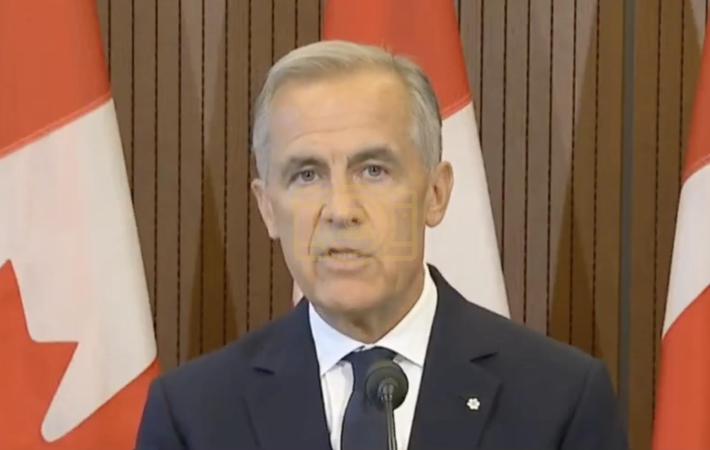
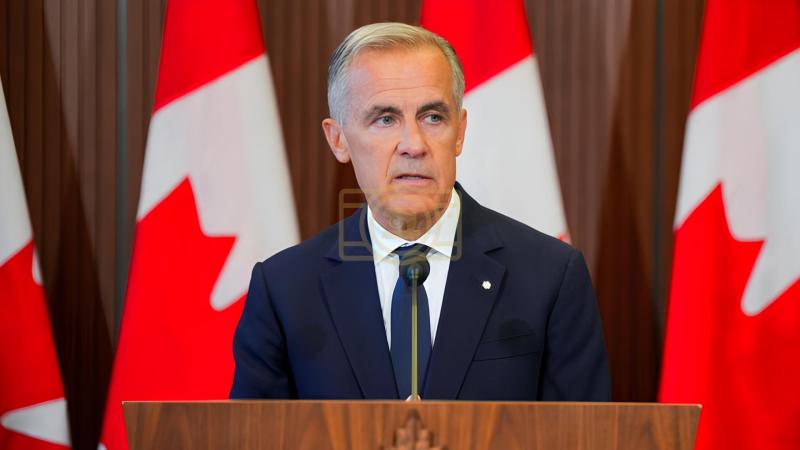
Canada is dramatically escalating its trade confrontation with the United States after Prime Minister Mark Carney announced dollar-for-dollar retaliatory tariffs on selected American goods. The measures are scheduled to take effect September 8, the Tuesday after Labor Day, following the collapse of last-minute negotiations between Ottawa and Washington. The move comes after the Trump administration imposed 50% tariffs on roughly $20 billion of Canadian products, escalating an already tense economic dispute between the two longtime trading partners.
Carney said the negotiations broke down after Washington presented what Canada viewed as unacceptable last-minute demands, including conditions affecting Canada's ability to pursue trade agreements with other countries. Rather than accepting those terms, the Canadian government suspended the talks and recalled its negotiating team, while preparing a matching response to the new American tariffs. Carney has framed the decision as a defense of Canada's economic interests and promised that Ottawa will support affected Canadian industries as the confrontation develops.
The Canadian retaliation will target a range of U.S. products and industries, including steel, dairy, appliances, agricultural equipment, pulp and paper, and electronics. The confrontation could also hit familiar consumer products and supply chains as both governments impose higher costs on goods crossing the border. The new American tariffs already cover products ranging from wine and other alcoholic beverages to hockey equipment, while Ottawa's response is designed to impose comparable economic pressure on U.S. producers.
The timing makes the dispute particularly significant because the United States and Canada remain deeply interconnected economically, meaning higher tariffs can ripple through manufacturers, farmers, retailers and consumers on both sides of the border. Canadian officials have emphasized that the latest measures are intended to match the U.S. tariffs rather than represent an unrestricted tariff on every American import. Nevertheless, the collapse of negotiations and the decision to proceed with retaliation raise fresh questions about whether the two governments can prevent the dispute from widening into a much broader trade war.
The biggest question now is what happens after September 8. Carney has indicated that Canada is prepared to withstand prolonged pressure while pursuing new international trade relationships, while Washington has shown little indication that it intends to immediately back away from its latest tariff measures. With both sides now preparing to absorb and retaliate against economic pain, the next round could determine whether this is a temporary confrontation—or the beginning of a far deeper rupture in the U.S.-Canada economic relationship.