HORMUZ DEADLINE PUSH: Iran FM Demands US Meet Conditions to Reopen Strait in Six Days

Gallery
Videos
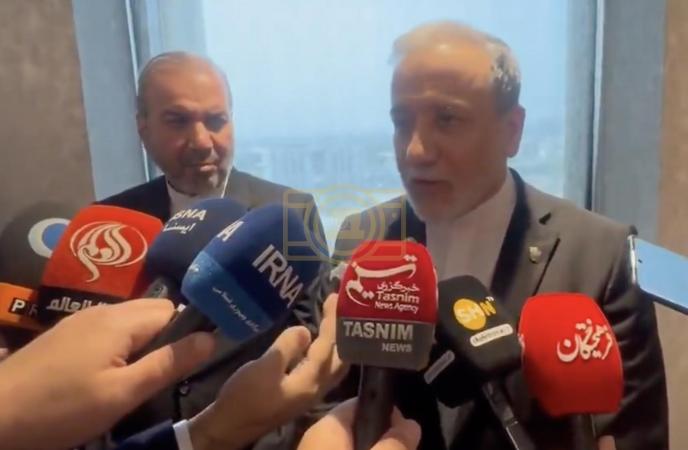
Iranian Foreign Minister Abbas Araghchi declared that Tehran’s seven-day plan to reopen the Strait of Hormuz remains fully on the table, with the path forward depending entirely on whether the United States meets Iran’s stated conditions. Speaking in Baghdad, Araghchi said the proposal had been clearly presented to Washington and that American comments were now under review, yet Iran continues to view its offer as active. He stressed that if the United States showed sincerity—which he claimed it currently does not—the strait could reopen on the sixth day and formal negotiations could begin on the seventh. Araghchi described the conditions as neither strange nor unreasonable, insisting they simply require the United States to fulfill commitments it had previously made. He added that the terms are fair and could be completed within a few days if Washington possessed the political will to restore normal maritime traffic through the vital waterway.
The seven-day framework was first advanced in mid-September after an earlier interim ceasefire collapsed, and it centers on steps such as lifting the U.S. naval blockade on Iranian ports, easing sanctions on Iranian oil exports, and ending hostilities across regional fronts. Iranian officials maintain these demands mirror understandings reached in a prior memorandum of understanding. Washington has responded with its own comments and has publicly emphasized the need for meaningful limits on Iran’s nuclear enrichment program before broader talks advance. The Strait of Hormuz, which before the current conflict carried roughly one-fifth of global oil and LNG trade, remains a critical flashpoint whose prolonged disruption continues to affect energy markets worldwide. Araghchi’s latest remarks keep diplomatic channels open while placing the next move squarely on the American side, leaving the immediate future of the strategic waterway dependent on whether the two sides can bridge their remaining differences.