Loading
זעמל - Slovakia: Hundreds of Yidden who traveled for the yahrtzeit of the holy Chasam Sofer zy"a participate in a grand Hachnasas Sefer Torah on the stree..   |  זעמל - Jerusalem - Marking the yahrzeit of the "Sanigoron Shel Yisroel..   |  זעמל - Mayor Mamdani Announces 10,000 New ACS Vouchers for Low-Income Families   |  בקיצור - A Delta Airbus A350 and an Air Canada Boeing 777 collided on the runway at Los Angeles International Airport, causing damage to a wing of the Airbus aircraft.   |  בקיצור - Former German intelligence chief August Hanning has been arrested on espionage charges..   |  בקיצור - US Embassy in Moscow Issues Health Alert Following Reported Virus Leak at Russian Lab   |   זעמל - Slovakia: Hundreds of Yidden who traveled for the yahrtzeit of the holy Chasam Sofer zy"a participate in a grand Hachnasas Sefer Torah on the stree..   |  זעמל - Jerusalem - Marking the yahrzeit of the "Sanigoron Shel Yisroel..   |  זעמל - Mayor Mamdani Announces 10,000 New ACS Vouchers for Low-Income Families   |  בקיצור - A Delta Airbus A350 and an Air Canada Boeing 777 collided on the runway at Los Angeles International Airport, causing damage to a wing of the Airbus aircraft.   |  בקיצור - Former German intelligence chief August Hanning has been arrested on espionage charges..   |  בקיצור - US Embassy in Moscow Issues Health Alert Following Reported Virus Leak at Russian Lab   |  

Synchron vs. Neuralink: How Rival Brain Implants Are Shaping the Future of Thought-Control

August 11th,

0 243
Main image for Synchron vs. Neuralink: How Rival Brain Implants Are Shaping the Future of Thought-Control

Videos


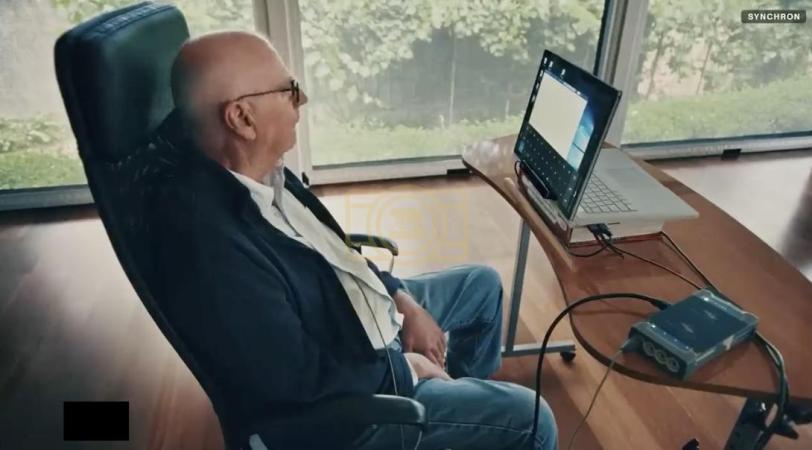
As competition heats up in the brain-computer interface (BCI) sector, two major players — Synchron and Neuralink — are pushing the boundaries of what’s possible in human–machine interaction. Both companies aim to enable “thought-control” of devices, but their approaches differ significantly in design, implantation methods, and near-term applications.

Neuralink, founded by Elon Musk, uses a surgically implanted device directly into brain tissue, aiming for high-bandwidth data transfer and long-term integration. Synchron, by contrast, employs a less invasive stentrode device inserted via blood vessels, offering a potentially safer and faster path to market approval.

While both firms share the ultimate vision of helping people with paralysis and neurological disorders regain communication and mobility, their competing strategies could shape not just the pace of innovation, but also the regulatory and ethical frameworks governing BCIs.