NOT TRUMP'S WAR: Johnson Defends Iran Strikes as Necessity

Gallery
Videos
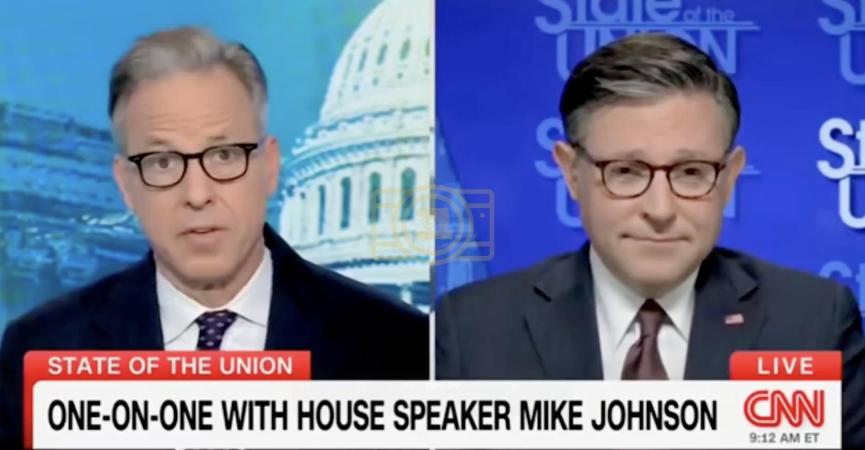
House Speaker Mike Johnson pushed back forcefully in a television interview this weekend against the idea that the ongoing conflict with Iran should be characterized as a war belonging to President Trump personally. Johnson argued instead that Iran, which he described as the largest state sponsor of terrorism in the world, had come within weeks of acquiring a working nuclear bomb before the United States moved to act. He framed preventing exactly that outcome as a goal every American administration has pursued for the past fifty years, regardless of party, positioning Trump's decision to strike as the fulfillment of a long standing bipartisan objective rather than a partisan choice. According to Johnson, Iran came dangerously close to crossing that threshold, leaving the president with no real alternative but to act when he did.
The strikes Johnson referenced trace back to February 28, 2026, when Israel and the United States launched a joint preemptive military campaign against Iranian targets, an operation that quickly escalated into a much longer and more grinding conflict than initially advertised. Trump had originally suggested the fighting would wrap up within four to five weeks, but the war has instead stretched well past six months, prompting increasingly pointed questions from reporters about the gap between early promises and current reality. Johnson has previously credited the campaign, discussed under the operational name Epic Fury, with achieving what he called an extremely important objective, specifically stopping the world's largest state sponsor of terrorism from obtaining a nuclear weapon capable of destabilizing the entire region and beyond.
Beyond the nuclear question, Johnson also addressed the conflict's spillover effects, including disruptions in the Strait of Hormuz and the economic fallout hitting American consumers at the gas pump. He expressed hope that the broader situation could reach some form of resolution before the upcoming midterm elections, even as roughly 50,000 U.S. troops remain deployed across the region amid ongoing tension and periodic ceasefire agreements that have proven difficult to sustain. Johnson has separately voiced confidence that the administration is working to prevent Iran from restarting whatever remains of its nuclear program, framing continued vigilance as essential even with the immediate crisis point apparently defused for now.
Johnson's remarks land amid growing scrutiny of how the administration and its allies in Congress have communicated about the war's scope, cost, and timeline to the American public. Critics have pointed to the widening gap between Trump's initial predictions of a brief engagement and the war's continuation well into its seventh month, alongside persistently elevated gas prices that have fueled broader inflation concerns nationwide. Still, Johnson has remained firm in defending both the strategic rationale behind the strikes and the president's handling of the conflict since, framing the nuclear threat Iran posed as serious enough to justify the sustained military and diplomatic effort still underway. As the situation in the region continues to evolve, Johnson's insistence that this remains a shared national security priority rather than Trump's individual war is likely to remain a central talking point heading into the midterm campaign season.