LEAKERS BEWARE: Pentagon Tests 50 Officials Over Weapons Secrets

Gallery
Videos
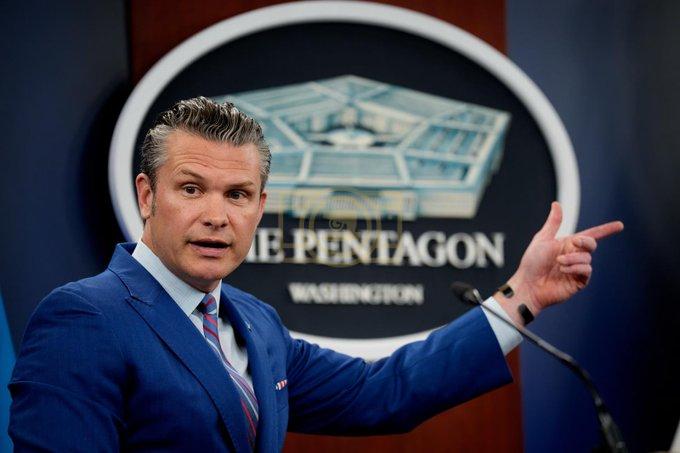
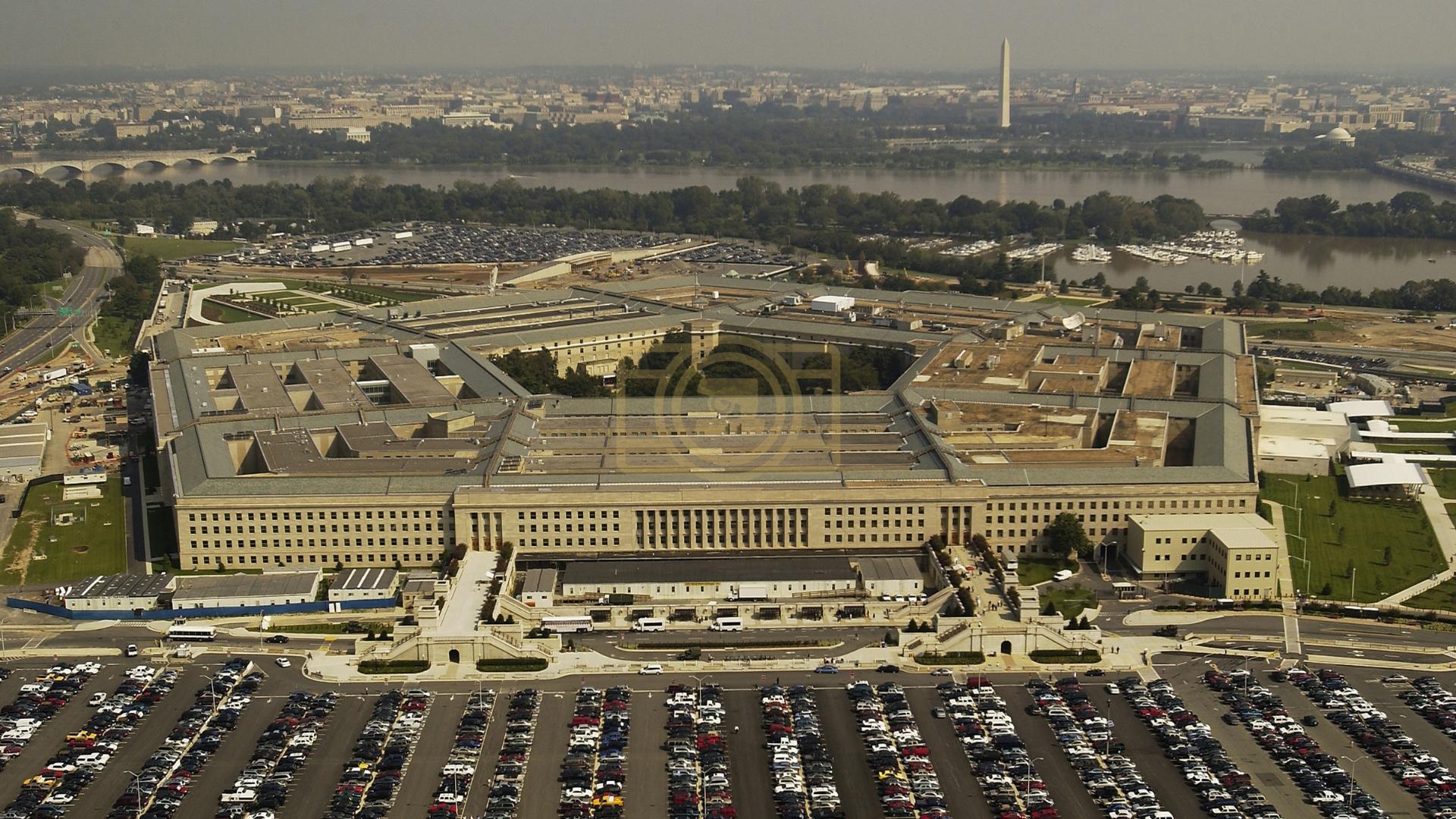
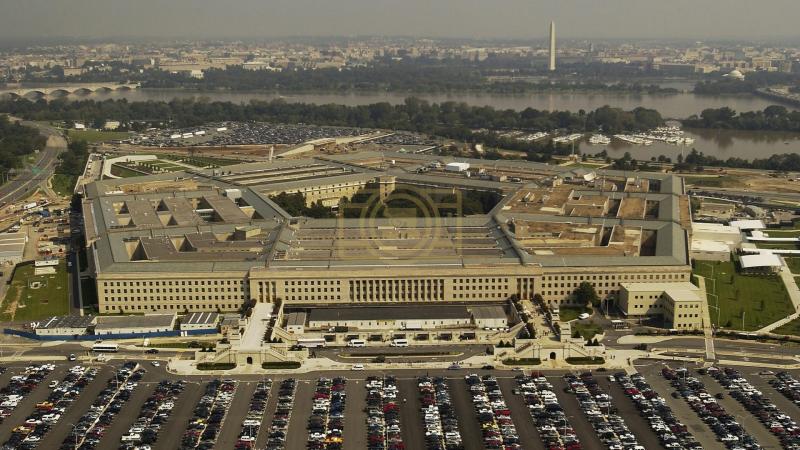
The Pentagon subjected roughly 50 members of the U.S. military's Joint Staff to polygraph examinations in August 2026, according to a New York Times report citing officials briefed on the effort. The tests were part of an investigation into who had been leaking classified information to journalists, particularly details about depleted American munitions stockpiles. Investigators asked officers and civilian employees whether they had disclosed classified information to the press, and specifically whether they had shared information about the declining state of U.S. weapons reserves. Legal and military experts described the scale of the testing as unprecedented, noting that senior military officials have rarely, if ever, faced polygraph screening this broad in modern history.
The leaks that triggered the crackdown centered on reports detailing how the ongoing U.S. military campaign against Iran had significantly drained supplies of critical munitions, including long-range precision missiles and Patriot air-defense interceptors. Multiple news organizations had published these findings over the summer, prompting frustration within the Pentagon over the disclosures. According to CBS News, several dozen additional officials at U.S. Central Command and other combatant commands underwent similar polygraph testing earlier in the summer, suggesting the effort extended beyond the Joint Staff alone. General Dan Caine, chairman of the Joint Chiefs of Staff, was reportedly not among those tested.
Despite the scope of the investigation, officials told CBS News that no one failed the questions related to the leaks, meaning the tests did not conclusively identify a source. Pentagon spokesperson Sean Parnell declined to confirm or deny that the testing had taken place, saying only that the department does not comment on internal personnel or investigative matters but treats all leaks of classified national security information with the utmost seriousness. The effort reportedly built on a broader push announced by Defense Secretary Pete Hegseth in July, when the Pentagon and the Department of Justice established a joint task force dedicated to identifying and prosecuting individuals responsible for leaking sensitive government information.
The polygraph campaign has unfolded against a backdrop of mounting tension inside the Pentagon, with officials describing an atmosphere of distrust tied to the pressure to prevent further disclosures. President Trump has publicly pushed for aggressive action against those responsible for the leaks, at one point characterizing critical media coverage of the munitions shortages and the broader handling of the Iran conflict in sharply negative terms. Beyond identifying potential leakers, the scale of the testing appeared designed to send a broader message throughout the ranks, discouraging future disclosures even among those with no direct involvement. The episode underscores how closely information control has become tied to the management of an active and increasingly strained military campaign.