HISTORIC BUST: French Navy Intercepts Semi-Submersible Carrying 146 Kilograms Of Cocaine In Atlantic
Gallery
Videos
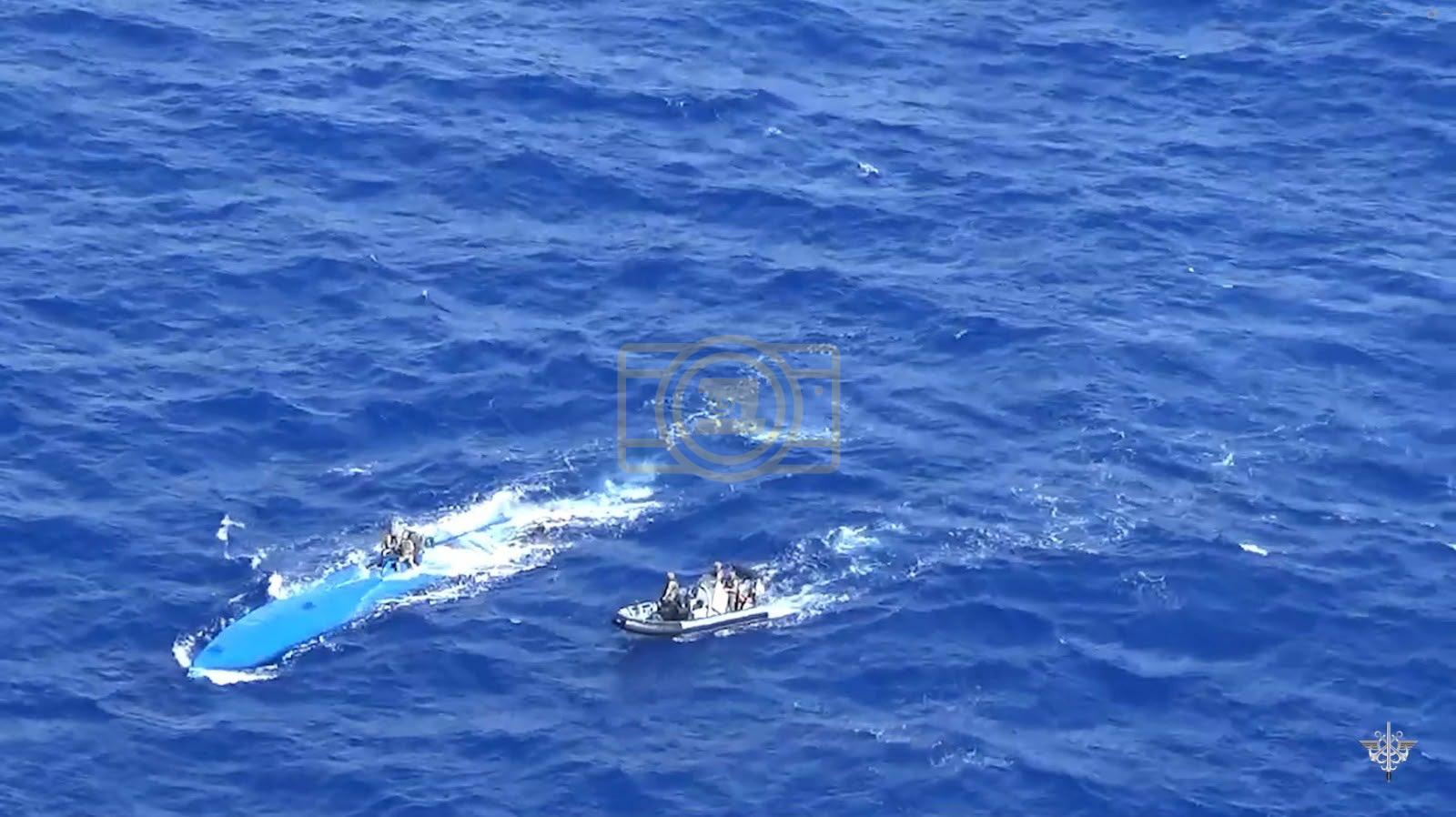
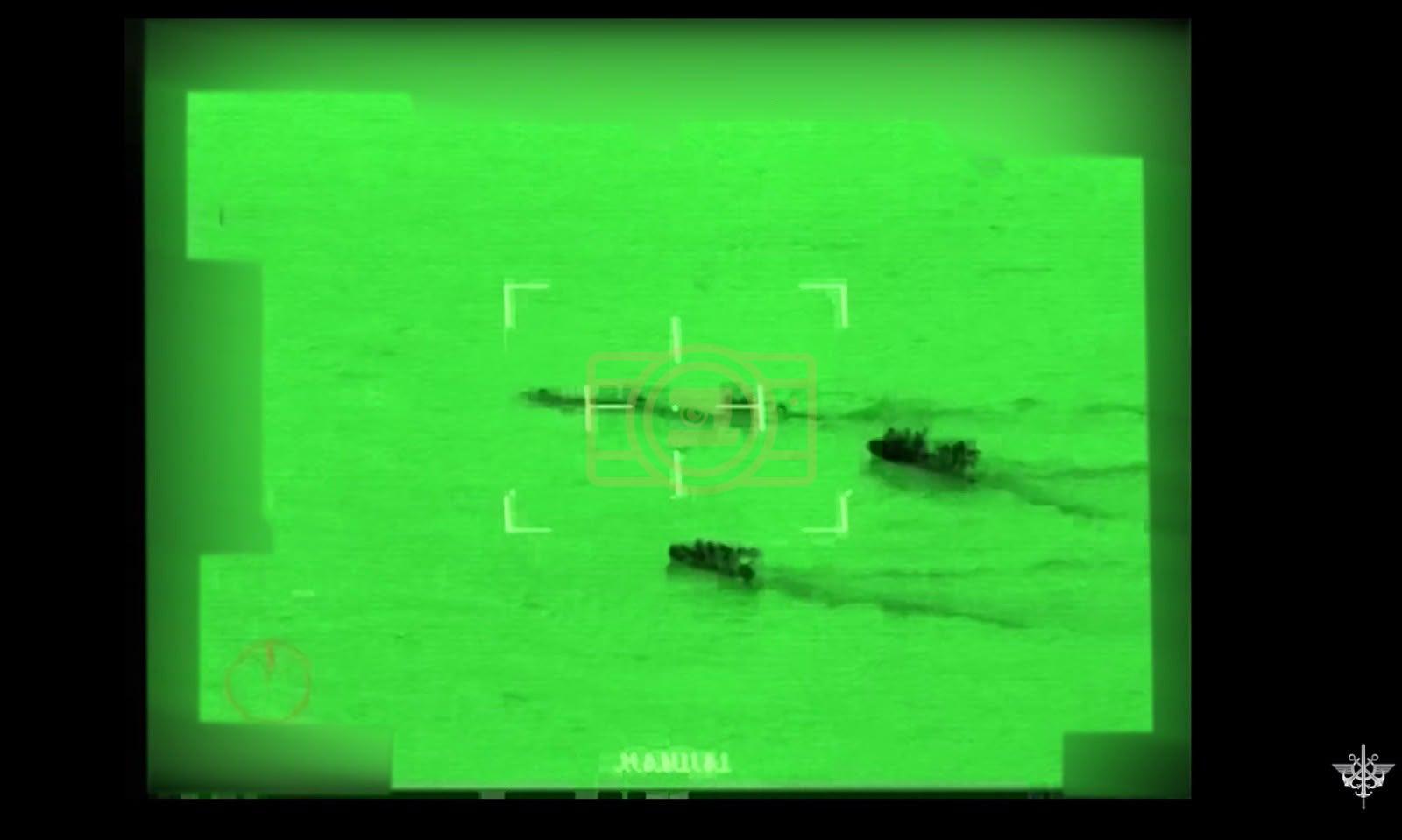
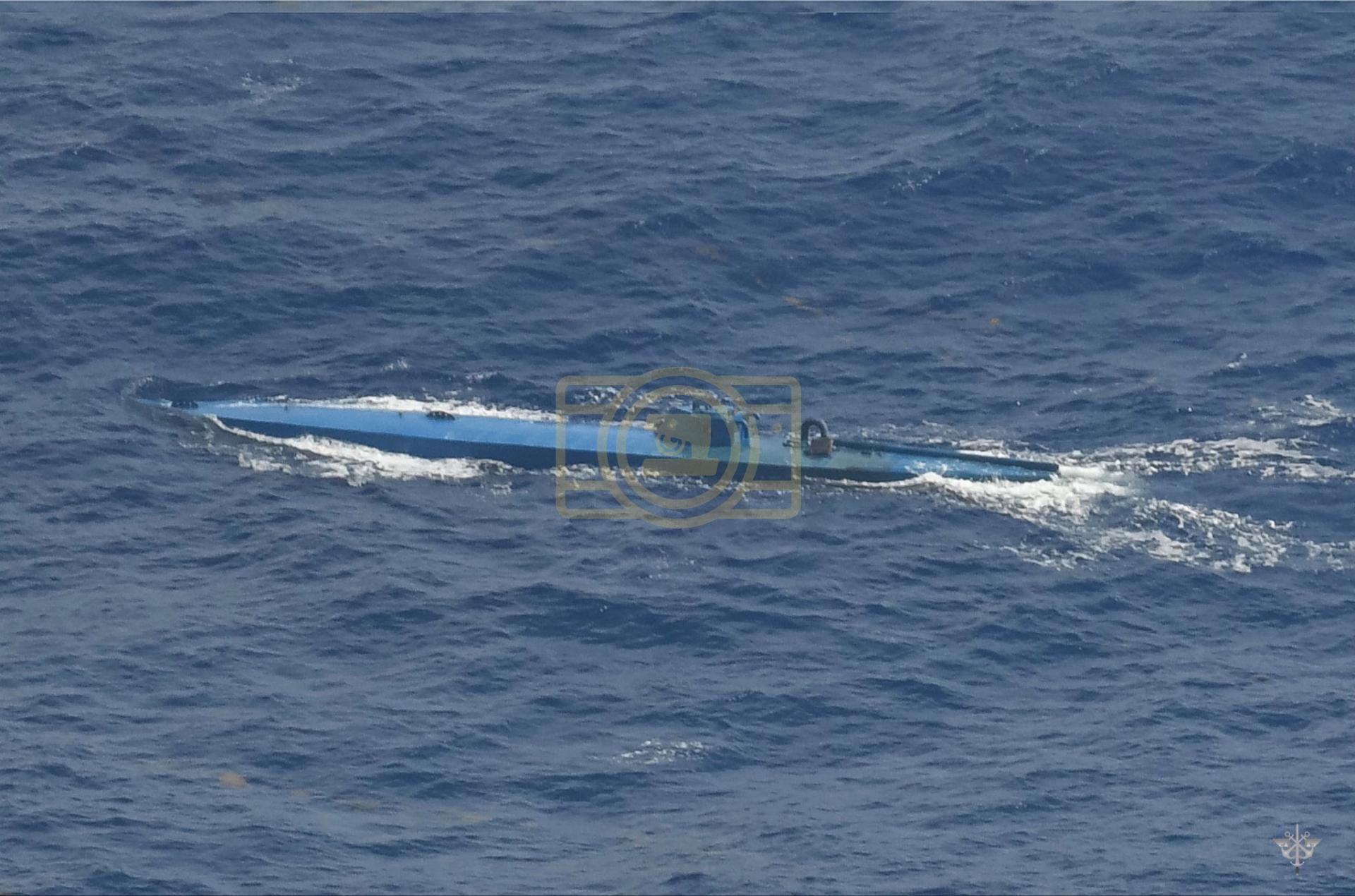
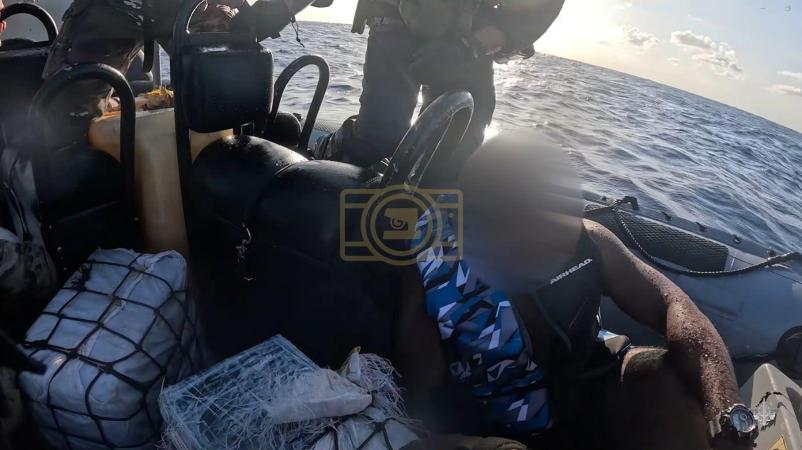
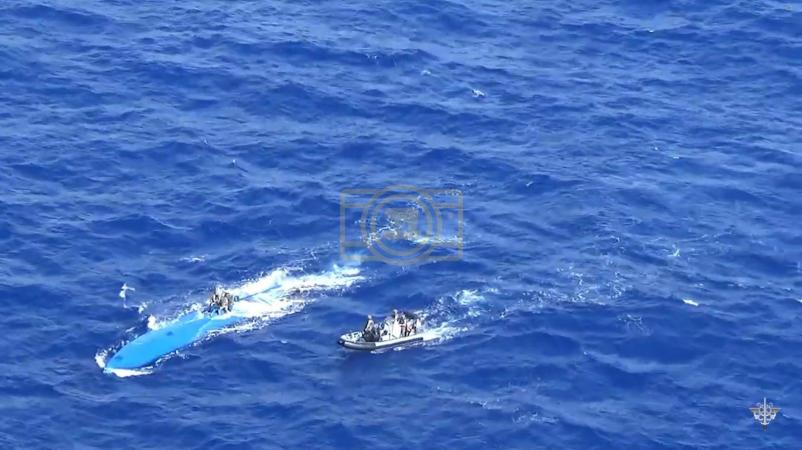
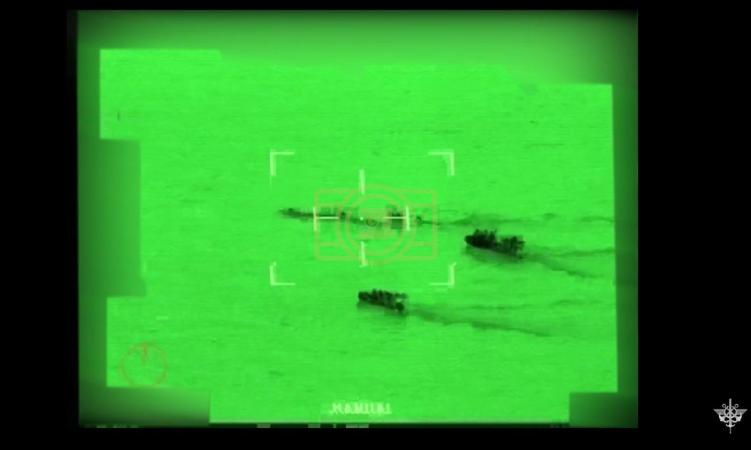
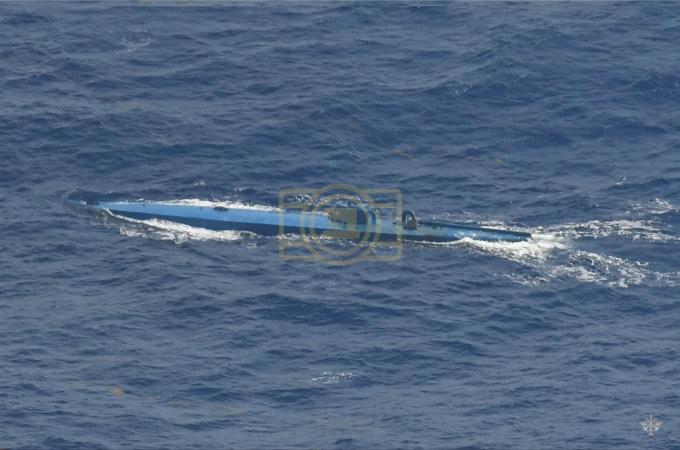
The French Navy has carried out a historic counter-narcotics operation in the Atlantic, intercepting a stateless semi-submersible vessel carrying cocaine in what officials describe as the service’s first seizure of this kind. The operation took place on November 12, 2026, several hundred kilometers east of Martinique in the Caribbean, after a French frigate located and moved to intercept the suspicious vessel. Supported by an onboard helicopter and a U.S. maritime patrol aircraft operating under the Joint Interagency Task Force South, French forces successfully approached and boarded the craft. As naval personnel closed in, three of the four individuals aboard reportedly jumped into the water, while the fourth activated the vessel’s scuttling mechanism. The semi-submersible sank in less than three minutes, but French personnel recovered all four suspects and retrieved four bales containing 146 kilograms (321 pounds) of cocaine. Authorities said several additional tons of suspected cocaine went down with the vessel, meaning the recovered shipment represented only a portion of its reported cargo.
French Armed Forces Minister Catherine Vautrin praised the operation, highlighting the importance of international cooperation in confronting sophisticated maritime drug-trafficking networks. The mission involved coordination with U.S. maritime forces and European maritime anti-narcotics partners, demonstrating how intelligence sharing and aerial surveillance can support high-seas interdictions. Officials said the interception was conducted under the framework of the United Nations Convention on the Law of the Sea, which provides legal grounds for boarding certain vessels suspected of having no nationality. The four suspects were taken into custody, while the seized cocaine and judicial investigation were transferred to France’s Caribbean anti-narcotics authorities. Semi-submersible vessels are particularly challenging to detect because they travel extremely low in the water, reducing their visibility and making them useful to criminal networks attempting to move large drug shipments across the Atlantic. The unprecedented interception marks a significant operation for the French Navy as authorities continue efforts to disrupt international cocaine trafficking routes through the Caribbean and surrounding waters.