Trump Signs Order to Confront America's Addiction Crisis.
Gallery
Videos
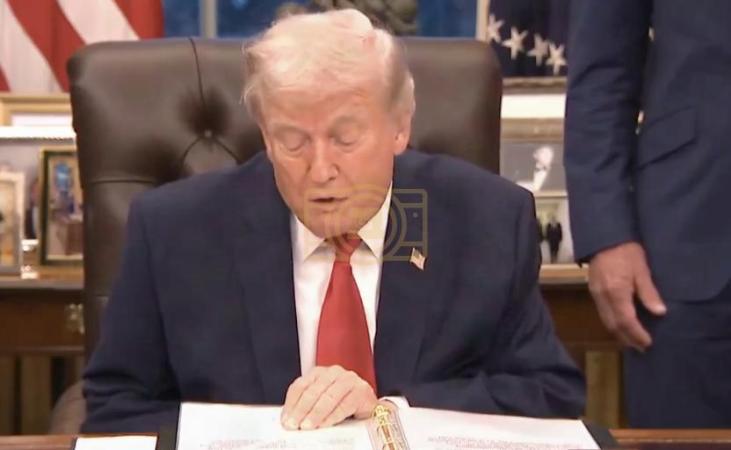
President Donald Trump signed a sweeping executive order on January 29, 2026, formally establishing the White House Great American Recovery Initiative, a new federal framework aimed at confronting the nation’s addiction and substance abuse crisis. The initiative will coordinate efforts across federal, state, local, and private-sector partners, with a focus on prevention, treatment, and long-term recovery.
“Today, I’m signing a historic executive order to combat the scourge of addiction and substance abuse,” President Trump said at the signing ceremony. “We’re calling it the Great American Recovery Initiative.” The effort will be co-chaired by Health and Human Services Secretary Robert F. Kennedy Jr. and senior White House advisor Catherine Burgum, signaling a whole-of-government approach paired with outside collaboration.
President Trump framed the initiative as both a public health and national security priority, citing the devastating human toll of drugs and alcohol. He noted that the United States loses an estimated 300,000 people each year to substance abuse, a figure that includes overdoses, alcohol-related deaths, and long-term health consequences. At the same time, he pointed to what he described as clear signs of progress under his administration, stating that drug overdose deaths fell by 21 percent in the past year.
The president also emphasized aggressive enforcement actions as a cornerstone of the broader strategy. According to Trump, the administration has closed the southern border, seized more than 47 million fentanyl pills, and reduced the volume of drugs entering the country by sea by 97 percent. He argued that cutting off supply is inseparable from supporting recovery, warning that treatment efforts alone cannot succeed if illicit drugs continue flooding American communities.
The Great American Recovery Initiative builds on policies from Trump’s first term, when his administration declared the opioid crisis a public health emergency and expanded access to treatment while pressuring foreign drug producers and traffickers. The new initiative is designed to integrate those enforcement efforts with expanded recovery support, workplace reintegration, and community-based prevention programs.
While specific funding details have not yet been released, the White House described the initiative as a coordinating hub rather than a standalone bureaucracy, intended to align existing resources and encourage public-private partnerships. Supporters say the structure allows for faster action and greater accountability, while critics have called for more clarity on long-term funding and metrics.
President Trump closed his remarks by stressing that addiction is not a moral failure but a national crisis requiring sustained leadership. “This initiative will bring together federal, state, local, and private-sector resources to support addiction recovery, treatment, and prevention,” he said, positioning the Great American Recovery Initiative as a central pillar of his administration’s domestic agenda.