THE NEXT BIG SELL: Hyundai Eyes Dealerships to Push Humanoid Robots
Gallery
Videos
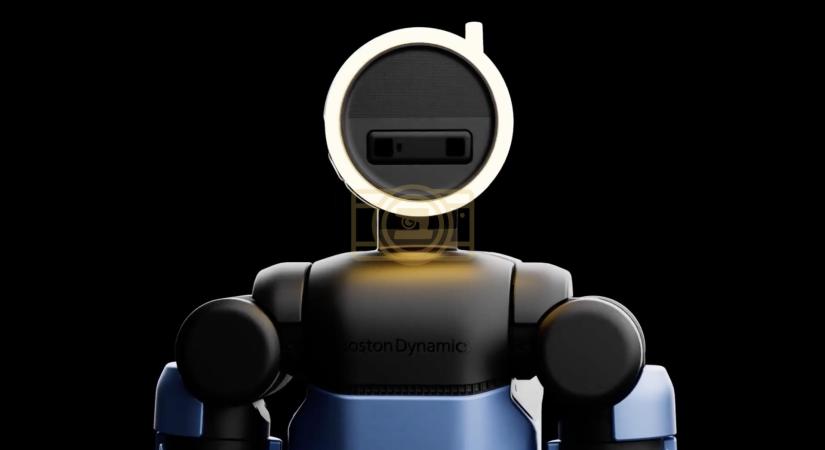
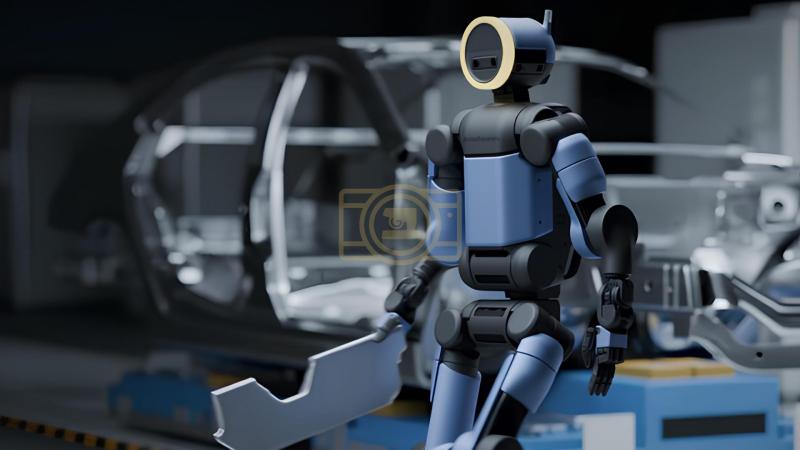
Hyundai just gave the clearest signal yet that it wants to be more than a car company, and the plan involves selling walking, working robots through the same dealerships that sell its cars. At the automaker's 2026 CEO Investor Day, CEO José Muñoz revealed that Hyundai is exploring whether its existing dealer network could become a distribution channel for Boston Dynamics' Atlas humanoid robot. Even more striking, Hyundai Capital, the company's financial arm, is reportedly looking into whether it could offer financing or leasing options for robots, similar to how customers currently finance a new vehicle. In simple terms, a business could someday walk into a Hyundai dealership, finance a humanoid robot the same way they'd finance a car, and drive away with a worker that never calls in sick.
Right now, Atlas is being positioned primarily as an industrial tool rather than a retail product. Hyundai plans to deploy the robot at its own automotive factories starting in 2028, using its Robot Metaplant Application Center to collect real-world data and refine how the machine performs before it hits any production line. The company is targeting an annual production capacity of 30,000 units once manufacturing ramps up in the United States. That scale suggests Hyundai isn't just testing the waters with a handful of prototype robots; it's building toward genuine mass production, treating Atlas less like a lab experiment and more like a future product line with its own supply chain.
What makes this moment different is the shift in ambition it represents. Hyundai has not made a formal announcement about launching external robot sales, and key details like pricing, target customers, and a concrete sales timeline remain undisclosed. Still, the direction the company has laid out is unmistakable: development, production, distribution, sales, and financing, all under one roof. That would put Hyundai in the unusual position of being both a major user of humanoid robots on its own factory floors and a manufacturer actively selling them to other businesses, essentially building an entirely new commercial arm on top of decades of automotive infrastructure that already includes dealerships, financing, and after-sales service.
Hyundai is far from alone in chasing this vision, and the competition appears to be heating up fast. Chinese automaker XPeng recently raised more than 900 million dollars for its robotics division at a valuation exceeding 6.3 billion dollars, with its IRON humanoid robot expected to enter mass production by the end of 2026 through XPeng's own retail stores. Xiaomi is training its next-generation CyberOne robot inside its own car factory, while Tesla is reportedly preparing a production line capable of building a million units of its Optimus robot, even though the next version has yet to be formally unveiled. What once looked like automakers simply dabbling in robotics now increasingly resembles a genuine race, one where the winner may not just build the best robot but the best system for actually getting it into the hands, or workplaces, of paying customers.