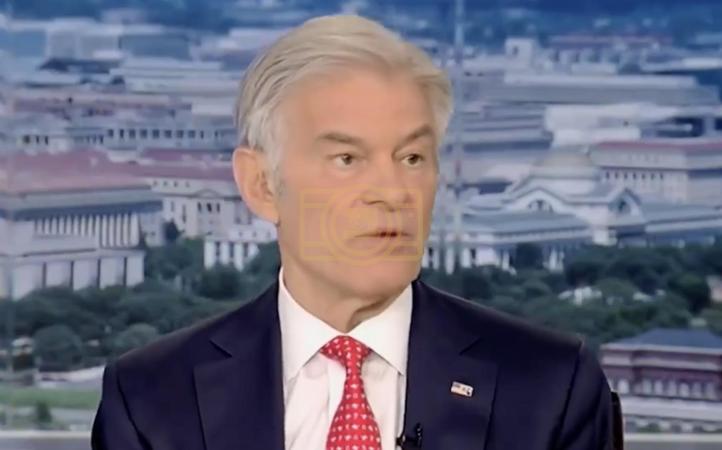
TRUMP ADMINISTRATION ANNOUNCES $50 BILLION RURAL HEALTH PLAN: Dr. Oz Says Historic Investment Will Transform Care
Gallery
Videos
President Donald Trump's administration is moving forward with a $50 billion federal investment aimed at transforming healthcare in rural America, with CMS Administrator Dr. Mehmet Oz describing it as the largest rural healthcare investment in the nation's history. Speaking about the Rural Health Transformation Program, Oz said the funding would help save rural healthcare by modernizing hospitals, expanding access to medical services and strengthening communities that have long struggled with limited resources. Established under the Working Families Tax Cuts Act, the five-year initiative provides $10 billion annually from 2026 through 2030, with funding available to all 50 states. The Centers for Medicare and Medicaid Services announced the first-year awards in December 2025, allocating approximately $10 billion to states based on an equal distribution component and additional measures involving rural healthcare needs and state proposals. On November 9, 2026, the administration announced another $10 billion in awards for the program's second year, bringing the total awarded across the first two funding rounds to $20 billion. The initiative is designed to help rural communities recruit and train medical professionals, strengthen hospitals and clinics, expand maternal and preventive care, improve mental health services and bring modern technology closer to patients.
The investment comes as rural communities continue to face significant healthcare challenges, including hospital financial pressures, shortages of doctors and nurses, limited access to specialists and longer travel distances for treatment. Federal officials have highlighted research showing that rural Americans have life expectancies approximately three years shorter than their urban counterparts, underscoring the disparities the program aims to address. States are developing their own transformation plans, with funding supporting initiatives such as physician residency programs, telehealth services, hospital upgrades, chronic disease prevention and expanded behavioral healthcare. Under the allocation framework, half of the funding is distributed equally among approved states, while the remaining half is determined through measures of state needs, proposed initiatives and other policy-related factors. The administration says the program will give states flexibility to develop solutions tailored to their rural populations while requiring progress reports and oversight to track results. Whether the investment can produce lasting improvements will depend on how effectively states direct the funding toward local hospitals, healthcare workers and patients who need reliable care close to home.