LAUNCH FAILURE: Taiwan Rocket Crashes After Sudden Turn.
Gallery
Videos
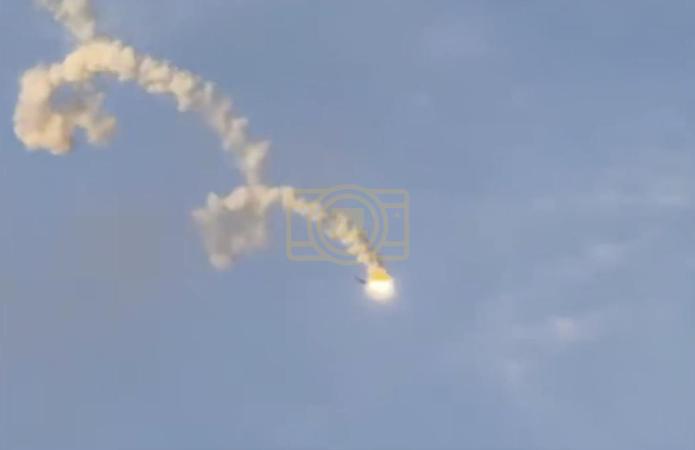
Taiwan’s first domestically developed satellite launch vehicle suffered a major setback Wednesday after veering off its intended trajectory during its debut test flight. The solid-fuel vehicle lifted off from the National Chung-Shan Institute of Science and Technology’s Jiupeng Base in Pingtung County, but soon began rotating and moving away from its planned seaward path toward the inland mountains. NCSIST said an early-flight trajectory anomaly prompted operators to activate the vehicle’s preplanned self-destruct mechanism.
Video footage showed the rocket climbing before abruptly changing direction, with a visible smoke trail as it appeared to spiral toward the mountainous area. The unexpected flight path alarmed nearby residents, some of whom initially feared that a missile had been launched toward their communities. Despite the dramatic failure, authorities said the debris fell within the designated safety-control area in an uninhabited mountainous region, and no injuries or property damage were reported.
NCSIST said the test was conducted to collect flight data and evaluate the launch vehicle’s systems rather than place a satellite into orbit. The institute will analyze telemetry from the flight and use the results to revise the vehicle’s design, meaning the failed test is expected to provide technical information for subsequent development. Local officials, however, have called for a full investigation and urged that future launch trajectories be reviewed to ensure they avoid nearby villages and residential areas.
The failure comes as Taiwan seeks to develop greater indigenous space-launch capabilities after years of relying on foreign providers. Taiwan’s broader launch-vehicle program, led by the Taiwan Space Agency, is targeting flight testing of an orbital launch vehicle in 2034, with plans for a vehicle capable of carrying small payloads into low Earth orbit. The separate NCSIST test represents another part of Taiwan’s effort to develop domestic launch technologies and gain practical experience with rocket systems.
The immediate priority will now be determining exactly what caused the trajectory anomaly and abnormal rotation—and whether the problem was related to propulsion, guidance, control or another part of the vehicle. While the self-destruct system prevented the failed rocket from becoming a larger disaster, the flight highlighted the risks involved in developing an indigenous launch capability. Taiwan’s next challenge will be turning the data from this dramatic first attempt into a safer and more reliable vehicle for future tests.