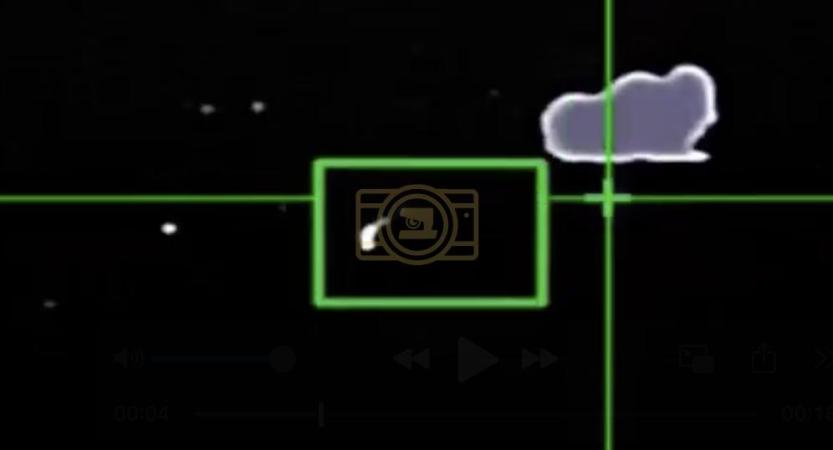
WATCH: Iran's IRGC Releases Footage Of U.S. MQ-1 Drone Shot Down Over Strait Of Hormuz
Gallery
Videos
Iranian state media has released footage that reportedly shows the country's air defense forces locking onto and destroying a US MQ-1 drone over the Strait of Hormuz. According to a statement carried by Iran's state broadcaster, the country's Army said its air defense forces detected, tracked, and targeted the drone in southeastern Iran before striking and destroying it. The military credited the kill to what it described as a newly developed advanced air defense system operating under the country's integrated air defense network. The video itself shows targeting reticles locking onto an aerial target, followed by a bright explosion and falling debris, imagery consistent with previous interception footage released by Iranian forces. As of now, these claims come solely from Iranian state and semi-official outlets, and no independent confirmation from US officials has been reported.
This is far from an isolated incident. Iranian sources reported a similar drone shootdown claim just weeks earlier, and Iran has a long track record of claiming to intercept high-value American aircraft, including previous claims involving RQ-170 stealth drones and MQ-9 Reapers over the years. The timing of this latest claim is especially significant, arriving on the same day Iranian state media announced that its navy had reportedly seized a US unmanned underwater vehicle near the entrance to the strait. Officials identified the captured system as a Dive-LD, an autonomous underwater vehicle developed by an American defense contractor and delivered to the US Navy in 2025. Taken together, the drone shootdown claim and the underwater vehicle seizure paint a picture of an increasingly aggressive Iranian posture around one of the world's most critical oil transit routes.
The broader backdrop here is a sharp and ongoing escalation between Iran and the United States centered on control of the Strait of Hormuz. Iranian officials have publicly stated that their forces remain firmly and forcefully in control of the waterway, framing recent actions as defensive responses to what they describe as a US-led naval blockade of Iranian ports. Just days before this drone claim, the IRGC's Aerospace Force reportedly launched ballistic missiles at a US aircraft carrier and destroyer participating in that blockade, forcing the vessels to retreat from the area. Iran has restricted passage through the strait since the early days of a broader US-Israeli conflict with Iran that began earlier this year, a conflict briefly paused by a ceasefire before hostilities resumed.
For a chokepoint responsible for a massive share of the world's seaborne oil trade, this kind of repeated military friction carries consequences well beyond the immediate incident. Iran and Oman have reportedly been in talks over establishing a temporary safe transit corridor through the strait, even as Tehran accuses Washington of failing to honor prior commitments related to regional stability. Regional voices, including Qatar, have publicly pushed back on the current state of affairs, urging an unconditional reopening of the strait and warning that a prolonged state of "no war, no peace" is unsustainable. Whether or not this latest drone claim holds up to independent scrutiny, it fits squarely within a pattern of escalating rhetoric and action that shows no clear signs of slowing down.