DIPLOMATIC FIRESTORM: Rubio Snaps at Zelensky Adviser Over False Claims Trump Caused Ukrainian Deaths

Gallery
Videos
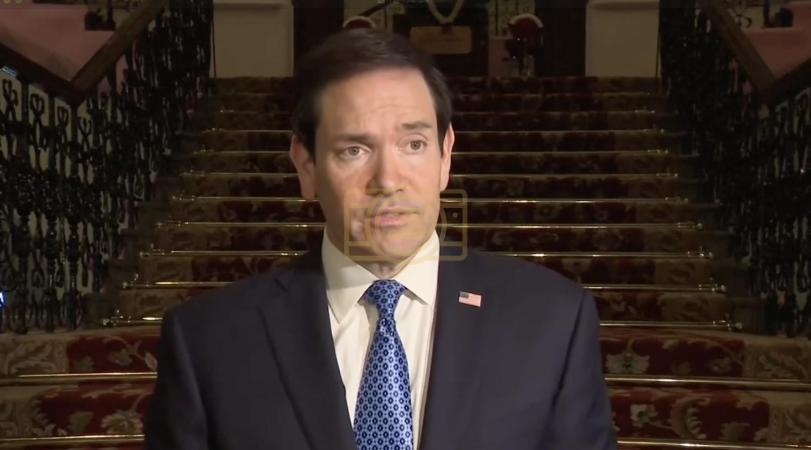
Secretary of State Marco Rubio fired back hard on Tuesday against accusations from a Ukrainian government associate that the Trump administration is causing deaths in Ukraine by deliberately denying critical information and intelligence. Speaking to reporters, Rubio labeled the claims “scandalous,” “outrageous,” and “just simply not true,” insisting they were inaccurate and that President Trump does not appreciate being blamed for things that did not happen. He explained that any recent gaps in advance warnings about Russian strikes on October 13 and 18 stemmed from technical issues, not a political directive from Washington. Rubio stressed that intelligence sharing and overall U.S. support for Ukraine remain unchanged under the current administration, and he used a 45-minute call with President Volodymyr Zelensky to clear up what he described as misleading media reports. The secretary noted that the United States continues providing the same warnings it always has and that nothing has been deliberately withheld. He also pointed out practical limits on certain systems like interceptors, saying America has its own defense needs to balance alongside aid to partners.
This sharp response comes amid ongoing strains between Washington and Kyiv as the Trump administration pushes for an end to the long-running war. America has already delivered tens of billions in military assistance and intelligence support over the years, yet the latest accusations have fueled fresh frustration on the U.S. side. Rubio, often viewed as a measured voice in foreign policy discussions, made clear he saw no basis for linking American decisions to Ukrainian casualties in this way. Officials maintain that any technical hiccups are being reviewed and that the flow of information continues as before. The exchange highlights deeper disagreements over strategy, timelines, and expectations as efforts to negotiate peace intensify. For many observers, the moment underscores how quickly alliance tensions can escalate when blame is assigned over battlefield outcomes that involve complex, real-time intelligence systems.