TERROR MONUMENTS: Israel MK Sukkot Smashes West Bank Terror Memorial Monument:
Gallery
Videos
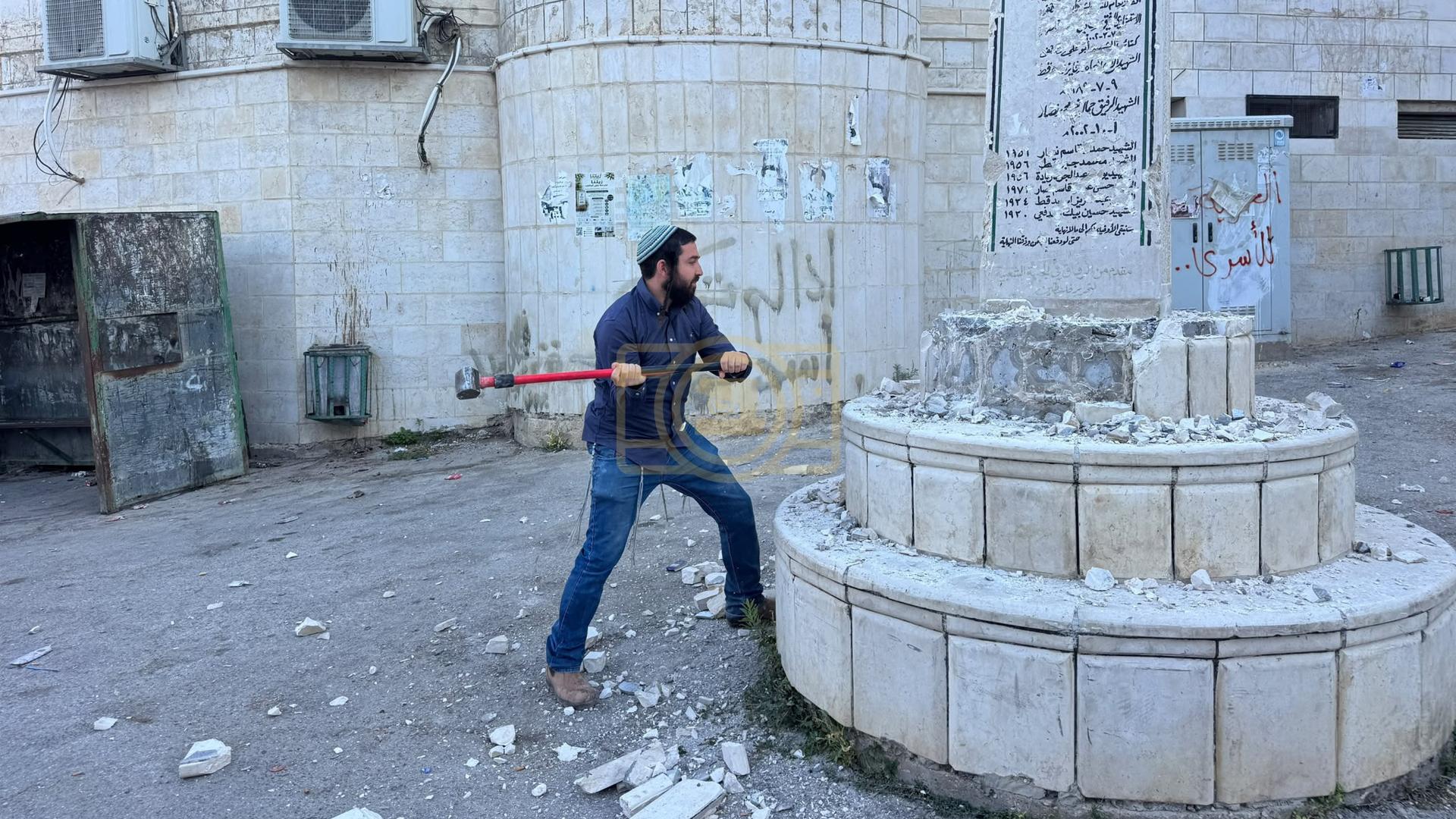
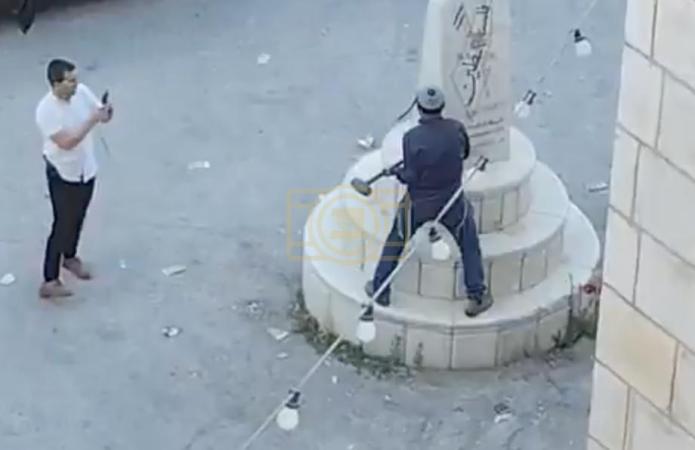
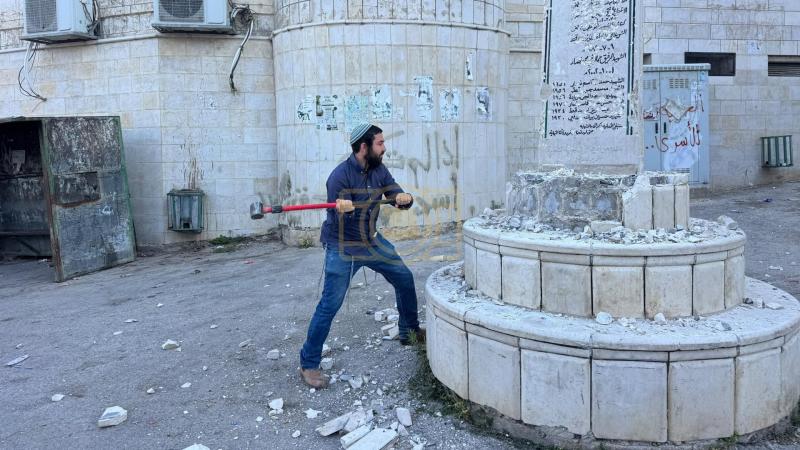
A dramatic confrontation erupted in the West Bank on Tuesday after Israeli Knesset member Zvi Sukkot used a sledgehammer to damage a Palestinian “Martyrs’ Monument” in the village of Madama, south of Nablus. Sukkot and his aides entered the area during a tour that had been coordinated with the Israel Defense Forces, and video showed Israeli soldiers nearby as the monument was struck. Sukkot defended the action as a direct challenge to monuments he says glorify Palestinians responsible for attacks against Israelis, arguing that such sites should not be allowed to stand.
The background to the monument has become a major part of the controversy. Reporting on the site says it honored several Palestinians, including individuals accused of involvement in attacks on Israelis, among them Shadi Nasser, a suicide bomber from Madama involved in the 2002 attack at the Eshel Hashomron Hotel in Ariel, and PFLP commander Yaman Faraj, who was linked to the recruitment and preparation of attackers. Israeli government material identifies the 2002 Ariel attack as a PFLP operation and says the Nablus infrastructure behind it was headed by Kamal Abu Hanish.
Sukkot said he had repeatedly urged the military to remove what he described as “terror monuments” throughout the area and argued that glorifying those who attacked Israelis helps perpetuate terrorism. His supporters portray the demolition as a symbolic rejection of the transformation of terrorists into celebrated “martyrs,” while critics argue that a lawmaker cannot simply impose his own judgment by physically destroying property. The incident therefore goes beyond one damaged monument, raising a broader question over how Israel should confront sites it considers symbols of terrorism and incitement in areas under military authority.
The IDF, however, sharply disputed Sukkot’s claim that the destruction itself had been authorized. The military said the tour had been approved, but that Sukkot and his aides acted “deceptively and manipulatively,” went beyond the agreed framework and began demolishing the monument without authorization; soldiers were then ordered to halt the activity and remove the group from the village. The IDF also said operational troops were diverted to provide security for the tour and were unnecessarily exposed to risk while the military was already under significant operational strain.
Prime Minister Benjamin Netanyahu subsequently condemned the move, stressing that public officials cannot take the law into their own hands and that the IDF is responsible for implementing the political leadership’s decisions in Judea and Samaria. At the same time, the military acknowledged that it does remove certain monuments and symbols of incitement when those actions receive the required approvals and coordination. That distinction now sits at the heart of the controversy: if a monument genuinely glorifies terrorism, should it be removed through an authorized military process—or can officials justify taking matters into their own hands when they believe authorities have failed to act?
This act is not in support of Gedola Hador and his actions are against the principle of התגרות באומות