CALL FOR CALM: Lavrov Pushes Yemen Dialogue as Gaza Deadlock Drags On

Gallery
Videos
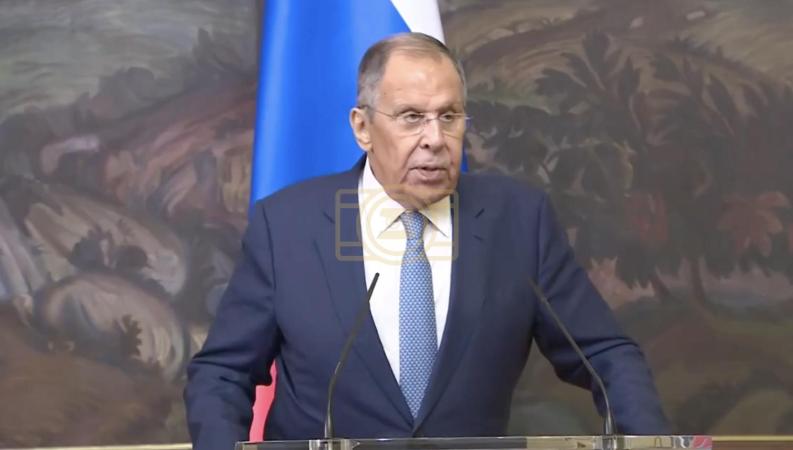
Russian Foreign Minister Sergey Lavrov used a joint press conference with Saudi Foreign Minister Prince Faisal bin Farhan in Moscow to renew Russia's call for direct talks among all of Yemen's political forces. Lavrov stressed the importance of ensuring safety, security, and freedom of navigation across the world's oceans, specifically naming the waters near Yemen as a critical area of concern. This isn't a new position for Moscow; Russian officials have repeatedly emphasized over the past two years that the safety of international navigation near Yemen should be secured through political and diplomatic means rather than military escalation. The remarks came at a tense moment, with Houthi attacks continuing to disrupt Red Sea shipping and regional tensions running high following a wave of strikes and counter-strikes across the wider area.
The Moscow meeting wasn't only about navigation and dialogue; it doubled as a moment for Saudi Arabia to send a pointed warning to the Houthis. Standing alongside Lavrov, Prince Faisal said the Houthis had opened a "Pandora's box" and stressed that Saudi Arabia would use all available means to defend itself against further aggression. He accused the group of repeatedly turning to violence whenever cornered, arguing that Yemen's internationally recognized government had already given the Houthis a real opportunity for responsible negotiations. At the same time, Faisal made clear that Riyadh's door to diplomacy remains open, framing the Kingdom's posture as one that's firm but not closed to a peaceful resolution. Lavrov, for his part, reiterated Russia's support for Saudi-led efforts toward a peaceful settlement in Yemen and called for full implementation of the Islamabad Memorandum between Iran and the United States.
Gaza loomed just as large in the conversation as Yemen did. Lavrov reportedly noted that little to no progress has been made on the Gaza front despite earlier agreements meant to move the situation forward, and he framed a comprehensive Palestinian settlement as essential to regional security for every party involved, Israel included. This connection between Gaza and Yemen isn't just rhetorical; Russian officials have consistently linked the two crises, arguing that instability in the Palestinian territories directly fuels tension in the Red Sea region. Moscow has previously called for urgent measures toward a sustainable Gaza ceasefire specifically because of its ripple effects on Yemen and the broader waterway security situation. By tying the two issues together again in this latest press conference, Lavrov signaled that Russia sees them as two fronts of the same underlying regional crisis.
For Russia, this kind of high-profile diplomatic engagement serves a dual purpose, reinforcing its relationship with Saudi Arabia while positioning Moscow as an active player in Middle Eastern diplomacy. The call for an inclusive, UN-backed national dialogue among Yemen's factions echoes a position Russian officials have voiced consistently in meetings with Yemeni leaders across the political spectrum, from the internationally recognized government to the Southern Transitional Council. Whether this latest push gains any real traction remains uncertain, especially given the Houthis' continued military activity and Saudi Arabia's clear signal that it won't hesitate to respond to further attacks. Still, with shipping lanes near Yemen increasingly caught in the crossfire of regional conflicts, the pressure for some kind of diplomatic breakthrough is only likely to grow.