Elon Musk Warns AI Is Key to Prevent U.S. Bankruptcy.

Gallery
Videos
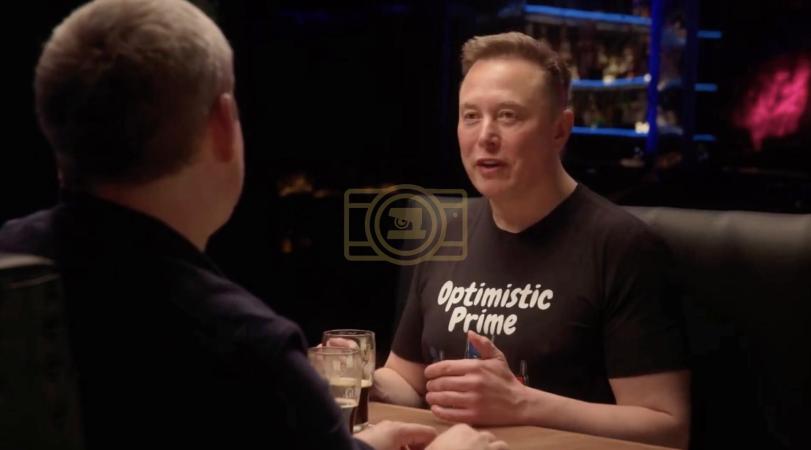
Elon Musk is sounding the alarm on the financial trajectory of the United States, warning that artificial intelligence and robotics are no longer optional innovations but essential tools if the country hopes to avoid long-term fiscal collapse. Speaking on the Cheeky Pint Podcast with John Collison, Musk drew on his experience working with the Department of Government Efficiency (DOGE), describing a federal system where even the most blatant waste and fraud are extraordinarily difficult to eliminate.
Musk explained that his efforts revealed systemic resistance to cutting improper payments, even in cases that appear indefensible on their face. He cited examples such as Social Security records listing tens of millions of people supposedly over the age of 115 and government loans issued to individuals not yet born, underscoring how deeply embedded dysfunction has become. According to Musk, these problems persist not because they are hidden, but because the system responds primarily to who complains the loudest.
He argued that when fraudulent payments are challenged, those benefiting from them rarely admit wrongdoing. Instead, they deploy emotionally charged narratives designed to generate sympathy and political pressure. Musk bluntly described this phenomenon as fraudsters claiming that cutting payments would cause catastrophic harm, despite no real victims existing. These appeals, he said, are often false but highly effective, making reform politically toxic even when the facts are clear.
Beyond individual cases of fraud, Musk pointed to unchecked spending across government agencies and non-governmental organizations, warning that traditional cost-cutting measures are insufficient in the face of the nation’s financial reality. With federal debt approaching $38 trillion and annual fraud losses estimated in the hundreds of billions of dollars, Musk argued that marginal reforms cannot keep pace with the scale of the problem.
Instead, he believes the only viable path forward lies in massive productivity gains driven by artificial intelligence and robotics. By automating processes, reducing administrative overhead, and dramatically increasing output per worker, Musk says AI offers a way to grow the economic base faster than liabilities accumulate. Without such a transformation, he warned, the federal government’s lack of real budget constraints will continue to fuel inefficiency and debt.
Musk’s remarks have sparked broader discussions about public choice theory and the structural incentives that protect wasteful spending. Critics and supporters alike acknowledge that concentrated interest groups often have more influence than the general taxpayer, making meaningful reform elusive. In Musk’s view, technology may be the only force powerful enough to break that dynamic, not by arguing with entrenched interests, but by fundamentally changing how work gets done.
The message from Musk was clear: without embracing AI and robotics at scale, the United States risks being trapped in a cycle of debt, fraud, and political paralysis—one that incremental reforms alone cannot solve.