LIFELINE REOPENING: Rubio Reports 70% Oil Recovery At Hormuz
Gallery
Videos
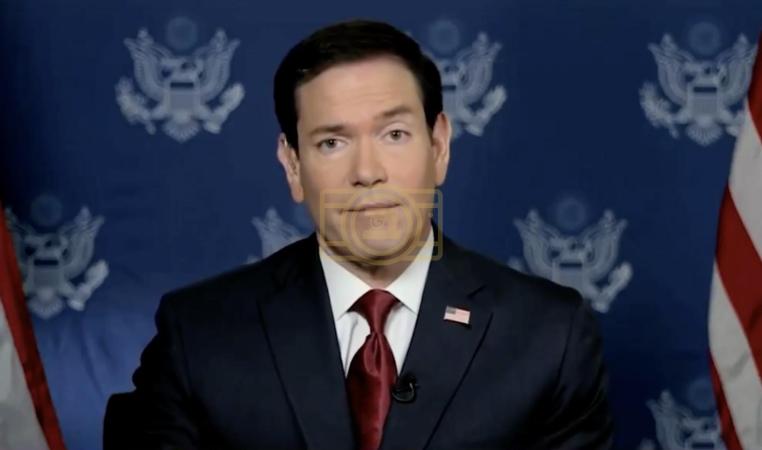
Secretary of State Marco Rubio delivered a rare piece of good economic news this week, revealing that oil flows through the Strait of Hormuz are bouncing back hard after months of disruption. We're about 60 to 70 percent of the oil flows that were coming out of the Straits are now coming out, Rubio said, and it's climbing. It is a striking turnaround for one of the world's most critical energy chokepoints, a route that carries roughly a fifth of global oil and gas supply on any given day. The recovery follows a brutal stretch that began after US and Israeli strikes on Iran in February, when Tehran responded by targeting commercial vessels and turning the strait into a genuine danger zone for shippers.
At the height of the crisis, daily tanker traffic through Hormuz collapsed from roughly 140 vessels down to just a handful, sending insurance costs soaring and leaving thousands of seafarers effectively stranded at sea. Rubio's update suggests that pressure campaign and diplomatic efforts to stabilize the region are starting to pay off, even as tensions with Iran remain far from resolved. In the same appearance, Rubio doubled down on Washington's hardline stance on Tehran's nuclear ambitions, reiterating that a radical clerical regime with Iran's record of repression and regional aggression can never be allowed to possess a nuclear weapon. For now, the rebound in oil flows offers a rare sign of stability in a region that has spent much of the year on edge.