RIKERS CLOSURE SET FOR 2032: Mamdani Unveils Plan for Four New NYC Jails

Gallery
Videos
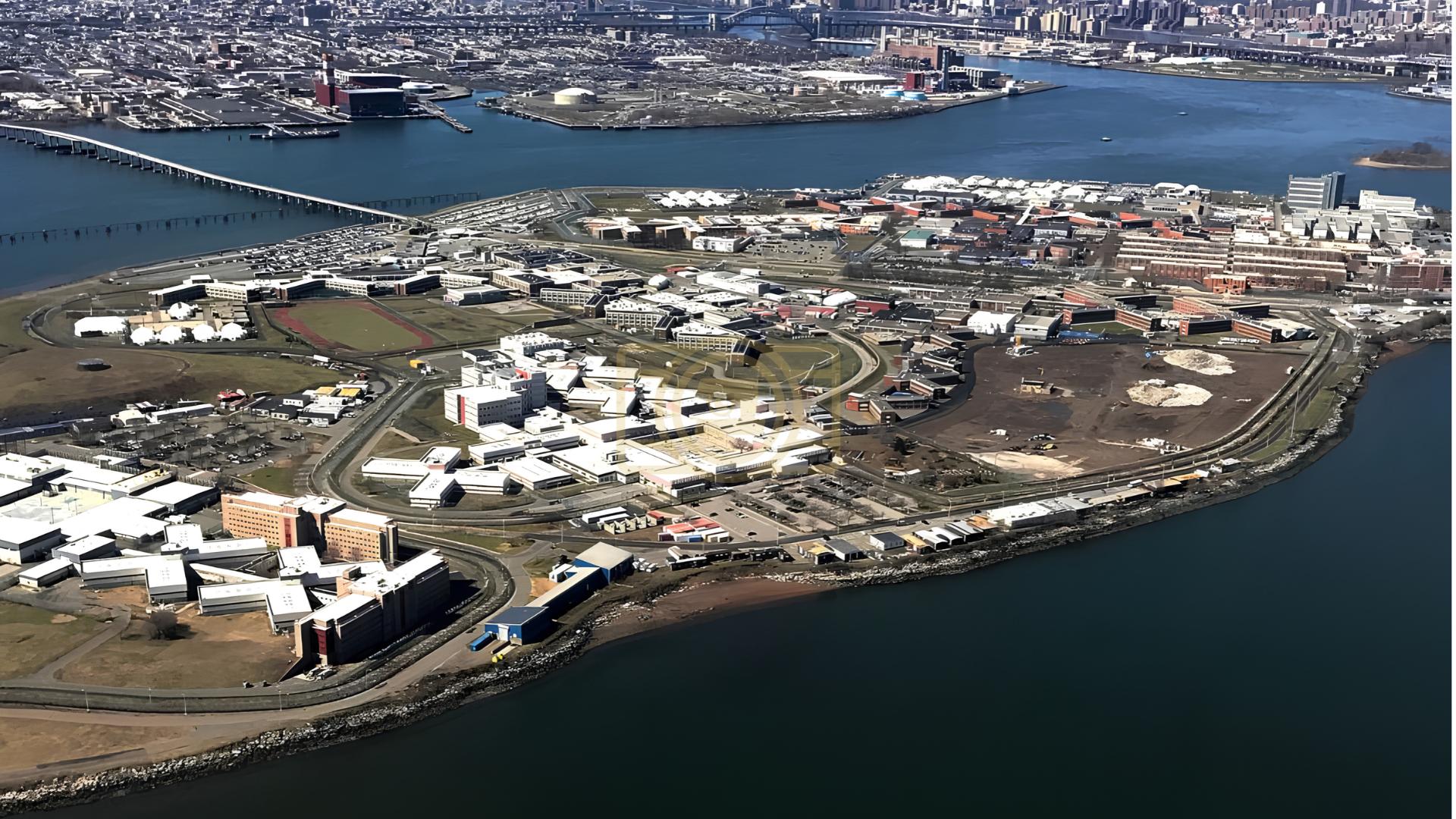
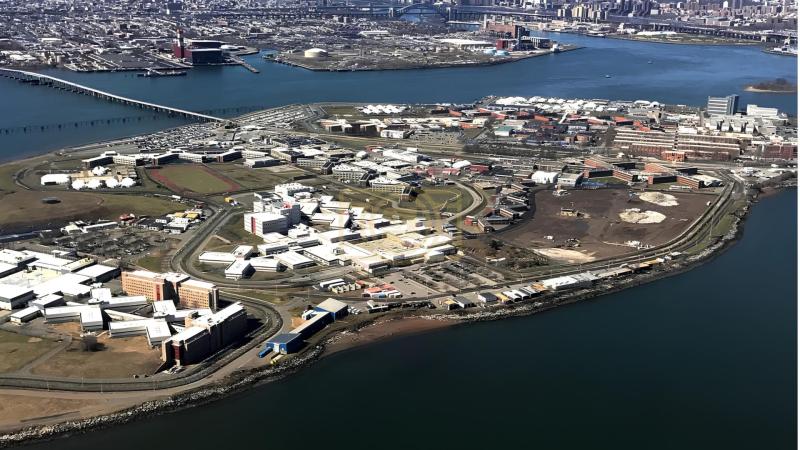
New York City Mayor Zohran Mamdani has unveiled a comprehensive plan to close the troubled Rikers Island jail complex by the end of 2032, replacing it with four smaller facilities across the city's boroughs. Under the proposed timeline, the Brooklyn jail is scheduled to open in 2029, followed by facilities in the Bronx and Queens in 2031, and Manhattan in 2032. The announcement marks a proposed five-year extension of the city's existing legal deadline, which requires incarceration on Rikers to end by August 31, 2027. Mamdani's administration says the transition depends on reducing the city's jail population from approximately 6,600 people to no more than 4,100, allowing the replacement facilities to accommodate those who remain in custody. The plan also calls for hundreds of additional therapeutic beds in hospital settings for people with serious mental health conditions or complex medical needs. City officials say locating the new jails closer to public transportation, courthouses and families will improve access to legal representation, medical services and visits while changing how the city's correctional system operates.
Achieving the 2032 target will require significant changes beyond constructing the replacement jails, including faster court proceedings, reduced pretrial detention and expanded alternatives to incarceration. The administration has outlined investments in mental health treatment, substance-use services, education, job training, reentry programs and community-based supervision, with $146 million planned for these services in the next fiscal year. Officials also intend to address court backlogs and evidence-processing delays that can leave people waiting in jail for extended periods before their cases are resolved. The plan builds on a 2019 City Council law that established the original 2027 closure deadline, but the proposed new timeline requires City Council approval. Rikers has faced years of criticism over violence, overcrowding and unsafe conditions, and a federal court-appointed oversight process remains part of the effort to address problems inside the jail system. Mamdani says the city must deliver a correctional system that protects public safety while treating people in custody and correctional staff with dignity, but the success of the transition will depend on whether the administration can meet its population, construction and reform targets.