NO MORE HOLDING BACK: Iran's Top Lawmaker Threatens Harsher U.S. Response

Gallery
Videos
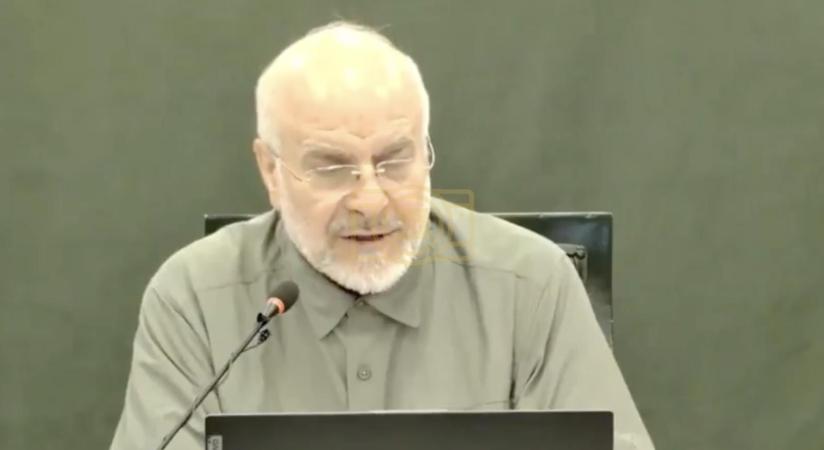
Iranian Parliament Speaker Mohammad Bagher Ghalibaf issued a pointed warning to Washington, declaring that the period of measured, proportional retaliation is finished. Speaking as tensions between Tehran and Washington remain elevated following months of military confrontation, Ghalibaf stated that recent strikes on what he called "aggressors' bases" were only an opening move rather than a complete response. His remarks, carried by Iran's Mehr News agency, framed the shift as a formal change in strategy rather than a passing threat. The message was addressed directly to American officials, urging them to recognize the shift before further confrontation unfolds.
Ghalibaf's language was deliberately blunt, warning that "the rules of the game have changed" and that any future action against Iranian interests would trigger a response that is faster, heavier, and more painful than what has come before. As Speaker of Iran's parliament and a former commander in the Revolutionary Guards' air force, Ghalibaf has positioned himself as one of the most vocal hardline voices shaping Tehran's public posture throughout the conflict. He has used both formal statements and social media in recent months to project a firm stance, often directly challenging U.S. and Israeli leadership. This latest statement continues that pattern, reinforcing Iran's insistence that it will not simply absorb future strikes without a heavier counter-response.
The warning arrives at a politically sensitive moment in the United States, where President Trump's approval ratings have slid to some of the lowest points of his presidency. Multiple national polls conducted in recent months have shown his approval sitting in the mid-to-high 30s, with disapproval climbing well above 55 percent in several surveys, driven in part by public unease over the ongoing conflict with Iran and rising fuel costs. Analysts have noted that sustained approval numbers in this range historically create political headwinds heading into a midterm election cycle. The White House has pushed back on the polling, framing it as an incomplete snapshot rather than a genuine measure of the administration's standing.
Taken together, Ghalibaf's statement signals that Tehran views the current standoff as far from settled, even as domestic political pressure mounts on the American side. Whether this rhetoric translates into a tangible shift in Iran's military posture remains to be seen, but the tone marks a clear hardening of Iran's public messaging. With both sides now navigating heightened stakes, the coming weeks are likely to test whether this "faster, heavier" response is more than a rhetorical warning. Observers on both sides of the conflict will be watching closely for any indication that either government is prepared to escalate further.