OIL CHOKEPOINT: Iran Warns Ships of Sanctions in New Restricted Zone Near Strait of Hormuz
Gallery
Videos
Iran has announced plans to establish a new restricted exclusion zone near the Strait of Hormuz, warning that any ships entering the area could face sanctions. The zone is set to begin at the line of the current U.S. naval blockade and extend toward the strait and into parts of the Persian Gulf. Iranian officials stated that vessels identified attempting to pass through the critical waterway via this area will be added to a sanctions list. The move marks a further intensification of efforts by Tehran to assert control over shipping routes in one of the world’s most vital energy corridors. Details on exact boundaries and enforcement timelines are expected in the coming days.
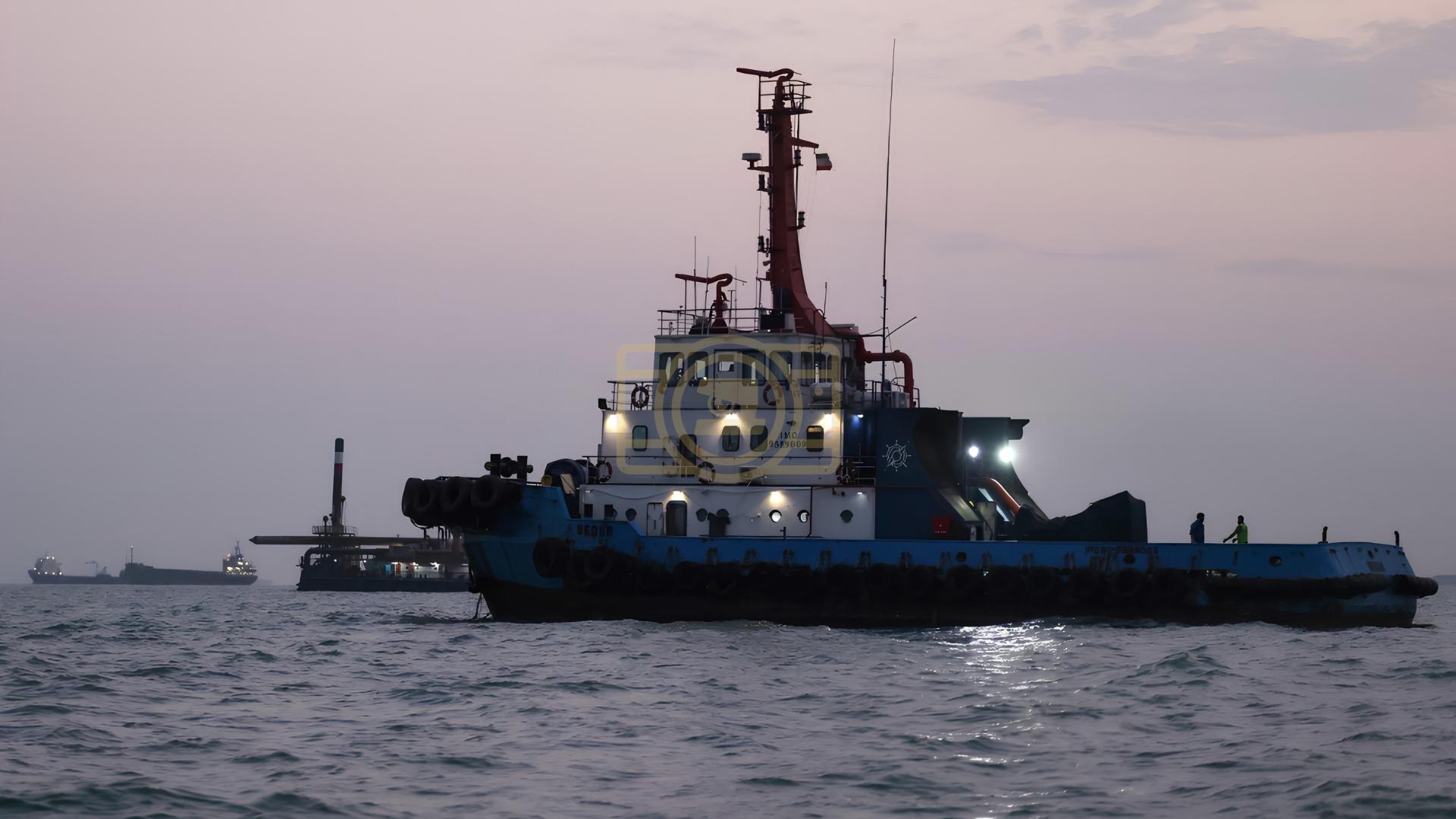
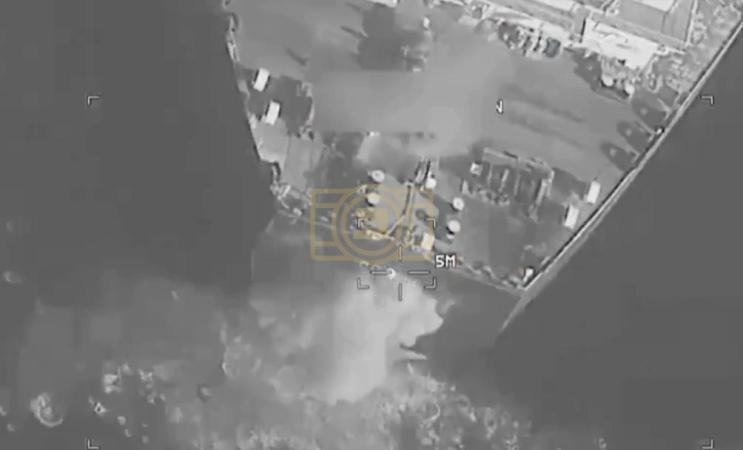
The announcement follows recent U.S. military strikes on three Iranian oil tankers. Those strikes came after Iran’s Islamic Revolutionary Guard Corps fired ballistic missiles toward two U.S. Navy warships, including an aircraft carrier and a guided-missile destroyer. U.S. Central Command reported that the American vessels successfully evaded the attacks with no personnel harmed. In response, U.S. forces permanently disabled two of the Iranian crude oil carriers and destroyed a third unladen tanker. Officials described the targeted vessels as part of a shadow network that helps fund the IRGC and its regional activities.
This latest exchange forms part of an ongoing conflict that has centered on control of the Strait of Hormuz throughout 2026. The waterway normally carries about 20 percent of the world’s oil trade, making any disruption a matter of global economic concern. A ceasefire agreement reached in June has since broken down amid mutual accusations of violations and continued military actions. Both sides have conducted strikes and counterstrikes involving ships, coastal targets and other assets, keeping tensions high and oil markets sensitive to each development.
U.S. officials emphasize that commercial vessels continue to transit the strait under protection. More than 20 American warships are operating in the region, enforcing a blockade of Iranian ports while assisting non-violating traffic, primarily along the southern corridor near Oman. Central Command has reported helping hundreds of commercial ships pass safely in recent months, moving hundreds of millions of barrels of oil despite the risks. The dual mission of sealing Iranian ports and keeping the international waterway open remains a central element of the U.S. approach.
Iran’s new exclusion zone appears designed to create a counter-pressure mechanism against vessels cooperating with the American presence. Tehran has indicated it will only commit to keeping the strait fully open once the United States ends what it calls sabotage, threats and attacks. Shipping companies and insurers now face additional uncertainty as they navigate between U.S. enforcement actions and Iranian sanctions threats. The practical impact will depend on how strictly Iran can monitor and enforce the declared zone given the significant U.S. naval presence.
The situation leaves commercial operators, energy markets and regional security planners watching closely for the next steps. Any further incidents involving missiles, tankers or enforcement of the new zone could quickly raise insurance costs and disrupt oil flows. For now, the United States maintains that the strait remains open to legitimate traffic under its escort and protection operations, while Iran seeks to expand its influence over the surrounding waters through the threatened sanctions regime. The competing claims underscore how the strategic waterway continues to sit at the heart of the unresolved conflict.