HARDLINE DECISION: President Trump Won't Extend Defunct 60-Day Iran Ceasefire.

Gallery
Videos
Trump Refuses to Revive Failed Iran Ceasefire: No Extension of Lapsed Deal
President Donald Trump has made clear that he will not attempt to revive the lapsed ceasefire arrangement with Iran that technically expired this week. The June 2026 memorandum of understanding, signed at Versailles and designed as a 60-day window for negotiations, had already broken down amid repeated violations and a lack of meaningful progress. Trump’s decision not to extend the framework reflects a refusal to prop up an agreement that failed to deliver results on the core issues. The administration remains focused on preventing Iran from obtaining a nuclear weapon and ending its support for regional terrorism.
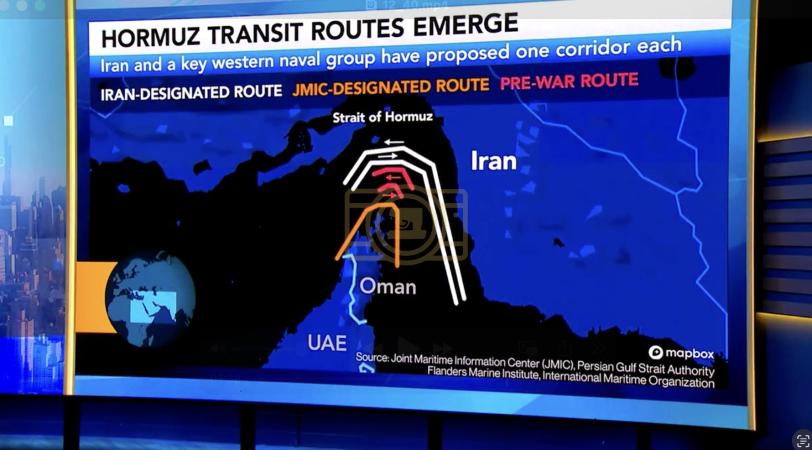
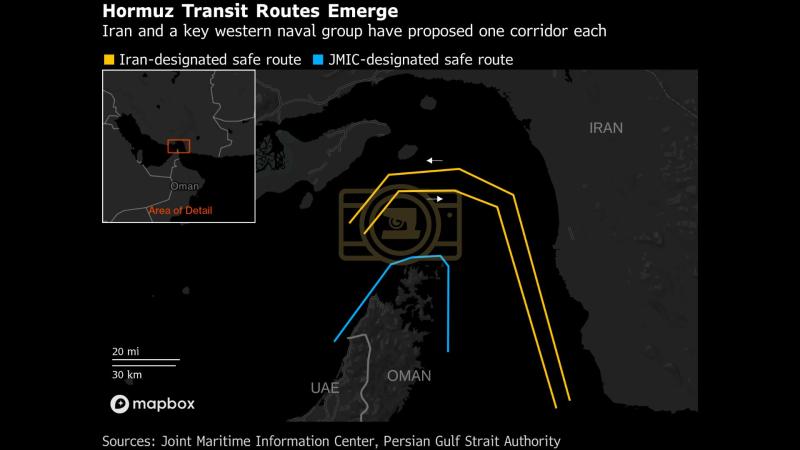
The original MOU aimed to halt hostilities, reopen the Strait of Hormuz, and create space for talks on Iran’s nuclear program. In practice, the fragile truce collapsed within weeks as both sides accused each other of breaches, U.S. strikes resumed, and disputes over Hormuz transit intensified. By July, the deal was widely regarded as effectively over. Trump’s latest comments confirm there will be no artificial extension of a process that produced neither lasting security nor genuine Iranian compliance.
Retired Colonel Wayne Sanders of Bloomberg Intelligence has examined the implications of this stance, including potential escalation risks and Iran’s strategic options. While markets and energy routes remain sensitive to developments in the Strait of Hormuz, the U.S. naval posture continues to assert control and keep the waterway operational. Alternative shipping considerations and ongoing regional tensions form part of the broader picture, yet the administration’s priority stays fixed on concrete outcomes rather than temporary pauses.
Trump’s refusal to revive the expired agreement underscores a consistent approach of strength and clarity. Rather than returning to a framework that Iran treated as temporary cover, the United States is maintaining pressure until Tehran demonstrates real willingness to abandon its nuclear ambitions and destabilizing activities. This posture supports long-term security for America and its allies, including Israel, by refusing to reward non-compliance. The path forward will be determined by results, not by restarting a process that already failed.