OIL EMPIRE EXPANDS: U.S. Locks In 65 Billion Barrels From Venezuela

Gallery
Videos
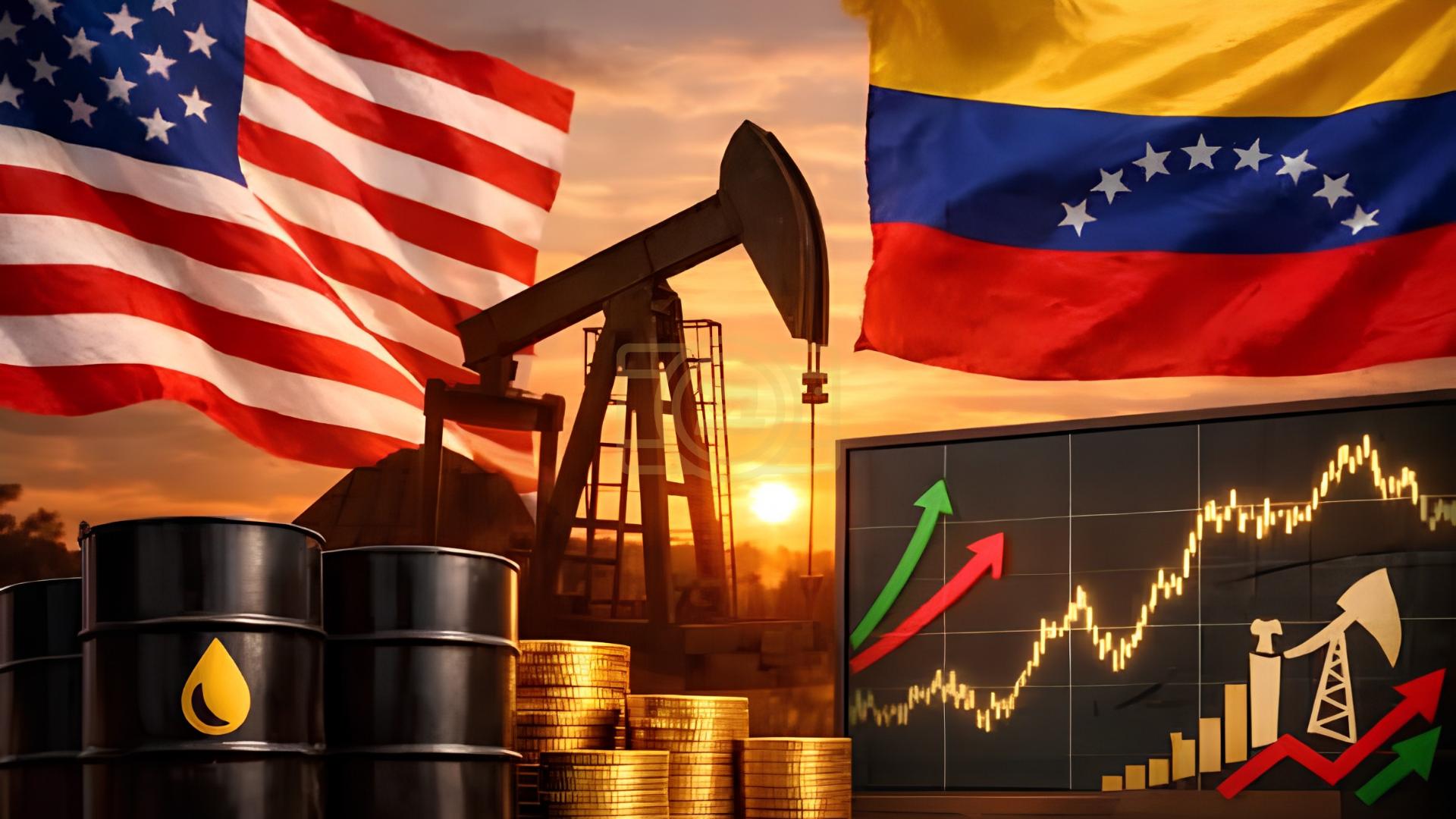
President Trump announced what he called the biggest oil deal in world history, unveiling an agreement with Venezuela that could draw as much as $100 billion in investment to revive the country's long-struggling energy sector. According to details released by both governments, the deal grants a newly formed private company majority effective control over 65 billion barrels of Venezuela's proven oil reserves, spread across 17 fields, through a 100-year development agreement. Trump said the pact was negotiated by Secretary of State Marco Rubio and Defense Secretary Pete Hegseth, working directly with Venezuela's acting president, Delcy Rodríguez. He touted the arrangement as one that would more than double America's oil reserves while substantially lowering gas prices for American consumers.
Under the terms described by a U.S. official familiar with the deal, the new joint venture would give American interests roughly 55 percent effective control of output, including both an ownership stake and the right to purchase oil at cost. If realized at that scale, the company would become the second-largest corporate holder of proven oil reserves in the world, trailing only Saudi Aramco. Rodríguez's government has framed the agreement as a critical step toward economic recovery, with projections suggesting it could eventually generate more than $209 billion in tax revenue for Caracas while creating substantial employment opportunities across Venezuela's oil sector. The deal arrives against the backdrop of Venezuela's vast, largely underdeveloped reserves, which represent roughly a fifth of the world's known oil supply.
The announcement comes nearly nine months after U.S. forces, acting under Trump's direction, captured then-President Nicolás Maduro and brought him to the United States to face federal narcoterrorism and drug trafficking charges. Since then, Washington and Caracas have moved toward a dramatically different relationship, with Venezuela's interim government opening the country's oil industry to far greater private and foreign investment. Republican lawmakers have largely praised the arrangement, with some describing it as a historic win that benefits both countries and prevents Venezuelan oil from continuing to flow to China at discounted rates. Democratic critics, however, have raised pointed questions about the deal's legitimacy, arguing that Maduro's forcible removal was designed from the outset to pave the way for exactly this kind of arrangement.
Beyond the political debate, real questions remain about how quickly, or even whether, the ambitious plan can be executed. No full text of the agreement has been publicly released, and details such as which private company will operate the venture, how soon drilling could begin, and who will finance the necessary infrastructure investment remain unclear. Some economists have publicly disputed the legitimacy of Rodríguez's authority to commit Venezuela to a century-long agreement of this scale, suggesting that major oil companies may hesitate to treat the deal as durable given Venezuela's political uncertainty. Venezuela's oil infrastructure has also suffered from years of underinvestment and disrepair, meaning that even with committed capital, transforming the country into a major global oil supplier again would likely take years rather than months to fully materialize.