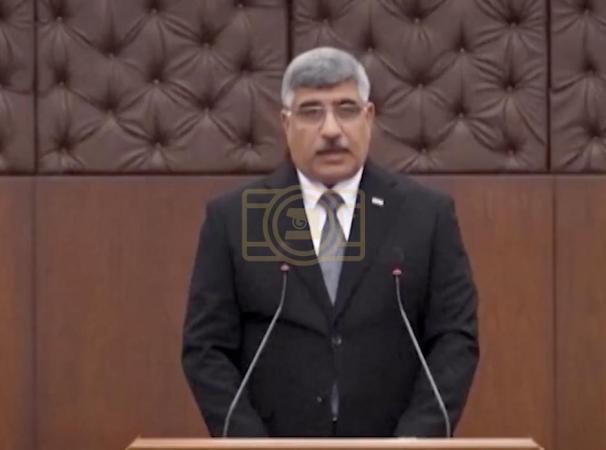
Iraq Authorizes Retaliation After Deadly Strikes on Militias.
Gallery
Videos
Iraq has officially authorized Iran-backed militias to exercise a “right to respond” following U.S. airstrikes targeting their positions in the country. On March 25, 2026, a U.S. strike in western Iraq’s Anbar province killed seven members of Hashed al-Shaabi and wounded 13, following a prior attack that killed 15. While Iraq’s government frames the casualties as affecting security personnel, many of those targeted are integral to Tehran’s proxy network embedded within Iraq’s military. This move represents a formal green light for retaliatory operations against U.S. forces.
Hashed al-Shaabi, also known as the Popular Mobilization Forces, has integrated over 100,000 fighters into Iraq’s official security apparatus since 2016 but remains heavily influenced by Iran. Their embedded presence allows Tehran to conduct proxy operations in the region while complicating U.S. operational freedom. Analysts warn that granting them a formal “right to respond” increases the likelihood of drone strikes, rocket attacks, and other asymmetric measures targeting U.S. bases in Iraq and potentially beyond.
The authorization raises concerns over an escalation cycle in the region, as such strikes could trigger retaliatory actions and draw Iraq deeper into the U.S.-Iran conflict. Over 170 incidents of attacks on U.S. positions by similar militias were documented between 2023 and 2024, demonstrating the high risk of repetitive engagement. Observers suggest that without clear containment measures, this new policy could transform localized skirmishes into a broader proxy confrontation involving multiple actors across Iraq and the Gulf.
U.S. officials and military planners are reportedly reassessing force protection and defensive postures in response to the announcement. The developments underscore the complexity of operating within a security environment where militias, state actors, and proxies overlap, heightening the risk of miscalculation. Analysts also note that Iran’s influence over these militias positions Tehran to leverage Iraq’s territory strategically in ongoing tensions with both Israel and the United States.
As the situation evolves, the authorization for Hashed al-Shaabi to retaliate signals a critical turning point in Iraq’s role within the regional conflict. The potential for increased attacks on U.S. forces underscores the fragile balance of power and the challenges of containing proxy escalations. Observers warn that the decision may set the stage for a sustained cycle of strike-and-counterstrike incidents across Iraq and neighboring theaters.