Hidden Seforim From Communist Era Discovered During Renovations in Kostroma
Gallery
Workers renovating a historic Jewish community building in Kostroma, Russia, uncovered siddurim and other seforim that had apparently been concealed during the years of Communist persecution.
The discovery was made during ongoing restoration work at the historic property connected to Kostroma's Jewish community. Among the items uncovered was a sefer that had been concealed inside the cover of a secular book, apparently to disguise its religious contents. Remarkably, it was found open to Pirkei Avos.
The building dates to 1880 and was purchased in 1892 for the city's rov at the time, Rav Tzvi Hirsch Schneiderman. Kostroma's central shul was subsequently constructed in its courtyard in 1903.
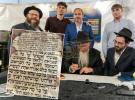
The discovery comes as the Jewish community in Kostroma has begun writing a new Sefer Torah ahead of a historic centennial. The Torah is being written to mark 100 years since the liberation of the Frierdiker Lubavitcher Rebbe from Soviet imprisonment and exile.
The writing began near the Ohel during the annual Shabbos Selichos trip organized by Russia's Torah and education foundation. Plans call for the completed Sefer Torah to be brought to Kostroma on Yud-Beis–Yud-Gimmel Tammuz 5787, coinciding with the centennial of the Frierdiker Rebbe's liberation.
The newly uncovered seforim offer a striking physical reminder of a period when Soviet Jews were forced to conceal their Yiddishkeit — now emerging from hiding as Jewish communal life continues in the same city.