MARKET SHIFT: July Inflation Figures Prompt Fresh Reassessment of Fed Rate Path.
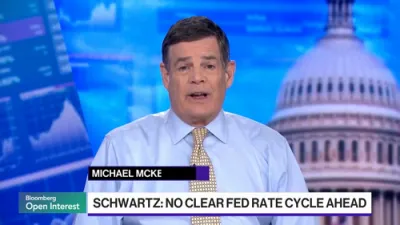
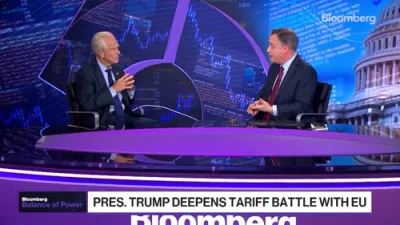
The Federal Reserve’s preferred inflation metric rose again in July, reinforcing the picture of persistent price pressures. The core PCE price index, which excludes food and energy, increased 0.2 percent for the month and stood 3.3 percent higher than a year earlier. The reading matched forecasts and remained unchanged from the June year-over-year rate. It also stayed well above the central bank’s 2 percent target. The figures were highlighted in coverage on Bloomberg Television as a key update for policymakers and markets.
Real consumer spending was flat in July following recent gains, adding another layer to the economic snapshot. Headline PCE, which includes food and energy, also advanced 0.2 percent on the month and 3.7 percent from a year ago. Within the details, services prices continued to rise while goods prices edged slightly lower. The split between services and goods has been a recurring feature of recent inflation reports. Together the numbers show inflation remaining elevated even as spending momentum paused.
The steady core reading underscores the sticky nature of current inflation trends. Because the core PCE gauge is the measure the Federal Reserve watches most closely, its failure to move lower carries particular weight. A year-over-year rate of 3.3 percent leaves a sizable gap from the official target. The monthly 0.2 percent increase, while modest, keeps the annual figure from declining. This pattern has made it harder for officials to declare victory over inflation.
Markets are now reassessing the likely path of Federal Reserve policy in light of the data. The combination of sticky core inflation and flat real spending reduces the odds of an imminent rate cut. Investors had been watching for clearer signs of cooling price pressures that could open the door to easier policy. Instead the July report delivered continuity with recent months. The result is greater uncertainty about the timing of any shift in the federal funds rate.
Services inflation continues to provide much of the upward pressure, offsetting the mild decline in goods prices. That dynamic has proven difficult to dislodge and helps explain why the overall core measure has held near 3.3 percent. Flat consumer spending may eventually ease some demand-driven price increases, yet the effect has not appeared in the latest figures. Policymakers will weigh both the inflation persistence and the softer spending when they next meet. The data offer no strong signal that the inflation problem has been resolved.
Overall the July PCE report leaves the Federal Reserve in a familiar position. Inflation remains too high relative to the 2 percent goal, while economic activity shows signs of leveling off. The matching of forecasts means there were no major surprises, only confirmation of ongoing trends. Markets must now adjust expectations around the possibility of later rather than sooner rate reductions. The coming months of data will determine whether the sticky pattern begins to break or simply continues.