IRAN THREAT: Any Nation Hosting US Strikes Will Be Treated as Enemy
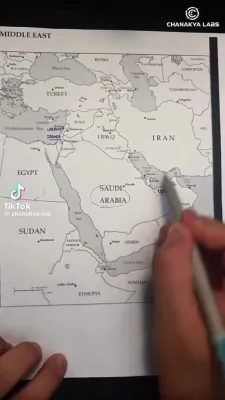
Iran has issued a stark warning that any country allowing the United States to launch strikes against it from its territory will be regarded as an enemy. The statement came from Gen. Rezaee, who made clear that the policy is not limited to Persian Gulf states. It applies to every nation that permits American fighter jets or missiles to take off or be fired toward Iranian targets. The declaration raises the stakes for any government considering cooperation with U.S. military operations against Iran. By framing such assistance as an act of hostility, Tehran is attempting to deter potential partners from offering bases or airspace.
Gen. Rezaee emphasized that the warning covers the full range of possible launch points, whether in the immediate region or farther afield. The message is designed to create uncertainty for American planners who might seek access to foreign facilities. Iran is signaling that it will not distinguish between the United States and the countries that enable its actions. This approach expands the potential circle of conflict beyond direct combatants. Officials in capitals that host U.S. forces or maintain defense agreements with Washington will now have to weigh the Iranian response carefully.
The statement arrives at a moment when regional tensions remain elevated and the possibility of wider military activity continues to draw attention. By publicly defining the consequences of allowing U.S. strikes, Iran aims to complicate American logistics and raise the political cost for host nations. The general’s words leave little room for ambiguity: permission for jets or missiles to operate against Iran equals enemy status. Such language is intended both as a deterrent and as a preparatory signal for possible retaliatory measures. Governments across multiple continents may now reassess the risks of deeper involvement.
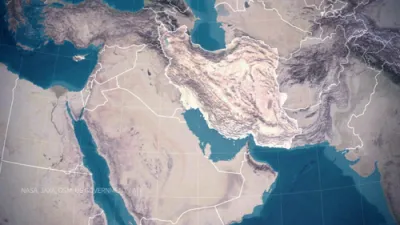
For countries in the Persian Gulf the warning is familiar, yet its explicit extension to any nation worldwide broadens the scope. Gen. Rezaee’s formulation removes geographic limits and focuses solely on the act of facilitation. This universal framing could affect alliances and basing arrangements far from the Middle East. It also places pressure on governments that prefer to stay neutral or limit their role to logistical support. The clarity of the threat is meant to force a binary choice between cooperation with the United States and avoidance of Iranian hostility.
Questions now center on how seriously potential host nations will take the warning and whether it will alter U.S. operational planning. Iran has chosen to publicize the red line in advance, hoping to shape decisions before any strikes occur. The statement underscores Tehran’s determination to expand the consequences of an attack beyond its own borders. As diplomatic and military calculations continue, the declaration stands as a clear attempt to raise the price of involvement for every country that might consider opening its territory to American forces. The coming period will test whether the warning succeeds in limiting options or simply hardens existing positions.