JAMMING THE SKIES: Russia's New System Targets Starlink, Could Spread to Iran
Russia has reportedly moved its Volna Kupol Garant electronic warfare system into full mass production, marking a significant escalation in its effort to disrupt the Starlink satellite network that has become central to Ukraine's military operations. Unlike traditional jamming equipment that targets ground terminals directly, this system takes a different approach entirely, aiming powerful, narrow-beam radio signals straight at the Starlink satellites themselves as they pass overhead. According to Russian officials, the goal is to overwhelm the satellites' receiving antennas, effectively blinding them so they temporarily can't process signals from ground terminals within range. Russian sources say the system has already undergone several rounds of testing and modification before being cleared for wider production.
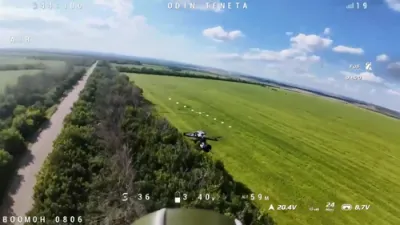
The stakes behind this technology are significant for the battlefield in Ukraine, where Starlink has become deeply woven into how Ukrainian forces operate. Ukraine has increasingly relied on Starlink-linked drones for locating Russian troop positions, tracking convoys, and coordinating mid-range strikes far behind the front lines, making the network something close to essential infrastructure for its war effort. By disrupting Starlink connections in targeted areas, Russia hopes to blunt that capability, making it harder for Ukrainian units to see, communicate, and strike with the same precision they've relied on throughout the conflict. Even so, Ukrainian forces have already located and destroyed several of the jamming systems by tracking their distinctive electronic signatures, treating them as priority targets for drone strikes.
Beyond the war in Ukraine, there are indications this technology could extend well past the current battlefield. Iran has confiscated hundreds of Starlink terminals in recent operations targeting what its government calls illegal satellite internet use, viewing the devices as tools that let people bypass state control over information. Given Iran's existing security cooperation with Russia, and reports that Moscow has already shared earlier experimental jamming technology with Tehran, analysts believe Iran could eventually seek access to systems like Volna Kupol Garant as well. Such a capability would give Iranian authorities another tool to prevent Starlink terminals already inside the country from functioning, reinforcing the government's broader efforts to control internet access domestically.
Despite the ambition behind the system, it does come with real limitations. Each unit reportedly covers only a limited radius, and current estimates suggest it can jam just a single Starlink satellite at a time, a significant constraint given that Starlink's constellation includes thousands of satellites constantly handing off coverage across any given area. The system is also expensive to produce and large enough that its own signal emissions make it relatively easy for Ukrainian forces to detect and target. Even so, Russia's decision to move the system into full-scale production signals a long-term commitment to the effort, suggesting officials expect these tradeoffs to be worth it as the technological contest between offense and defense in the skies over Ukraine continues to evolve.