RARE APPEAL: Iran's New Supreme Leader Urges Gulf Nations to Unite Against "Real Enemy"
In a rare written statement, Iran's Supreme Leader Mojtaba Khamenei called on Muslim nations, particularly those in the Gulf, to set aside their divisions and unite against what he described as their true enemy. The message, published on his Telegram account to mark Islamic Unity Week, called for cooperation among Muslim countries in multiple areas, including mutual defense, and warned that anyone who deepens divisions among Muslims, whether knowingly or not, ends up serving the interests of Islam's adversaries. Khamenei pointedly asked whether Palestinians would have been left so vulnerable if the broader Muslim world had stood united. The timing of the message is notable, arriving as the United States escalates economic pressure on Iran through a sweeping new sanctions campaign known as Operation Economic Outcast.
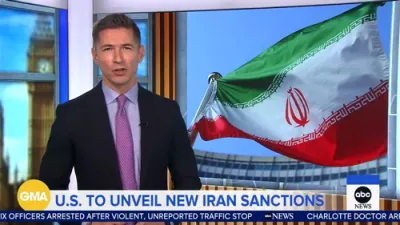
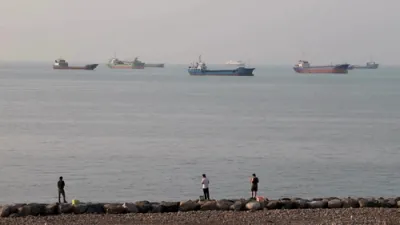
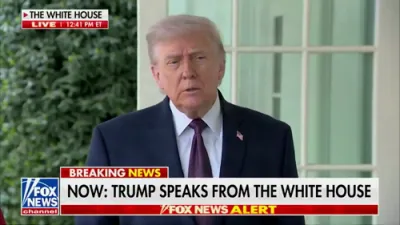
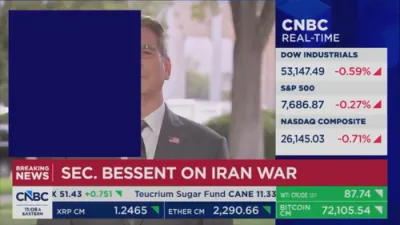
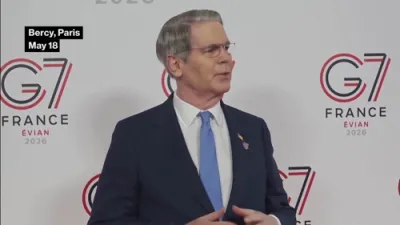
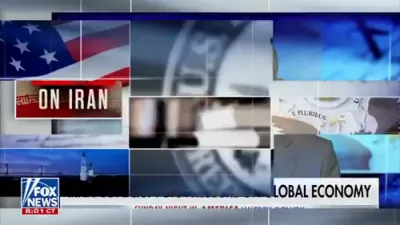
Launched in late August, Operation Economic Outcast represents one of the most aggressive rounds of sanctions the Trump administration has imposed on Iran, targeting the country's oil exports, shipping networks, and financial channels in an effort to cut off virtually every remaining source of revenue for the regime. U.S. officials have framed the campaign in stark terms, describing it as a global economic offensive designed to isolate Tehran entirely and pressure it into abandoning its nuclear ambitions and regional military activities. The sanctions push comes on the heels of a brutal chapter in the broader conflict: a U.S.-Israeli airstrike campaign earlier this year that killed Iran's previous supreme leader, Ayatollah Ali Khamenei, along with several family members, ultimately paving the way for his son, Mojtaba, to assume the role.
Mojtaba Khamenei has not appeared in public since being injured in those same strikes roughly six months ago, relying instead on written and audio statements to communicate with the Iranian public and the broader region. His latest message echoed a similar call for unity he made just days earlier to Iranians domestically, in which he said he had banned actions that damage national cohesion and urged authorities to avoid rhetoric that weakens public morale. In his message to Gulf leaders specifically, he questioned whether their nations' wealth and territory would have remained secure from outside threats if the Islamic world had been unified under one banner, a pointed reminder of long-standing tensions between Tehran and its Gulf Arab neighbors.
The appeal comes at a fragile moment for the region, with an April ceasefire and a subsequent memorandum of understanding from June having done little to fully defuse tensions stemming from the war. Gulf Arab states have historically viewed Iran's revolutionary rhetoric and regional ambitions with suspicion, a dynamic that complicates any push for the kind of unified Islamic front Khamenei is now calling for. Whether his message resonates with Gulf leaders or is met with the same wariness that has defined the relationship since the 1979 Islamic Revolution remains uncertain. What is clear is that Iran's new leadership, still unseen and operating under enormous economic and military pressure, is now attempting to reframe the conflict as a broader struggle for the entire Muslim world rather than Iran's fight alone.