"NEVER HEARD OF IT": Carlson's Jihad Remark Reopens 9/11 Wound
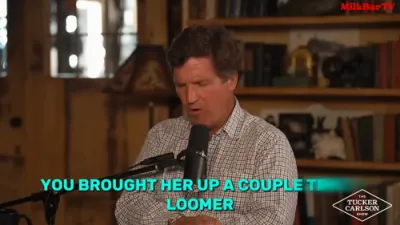
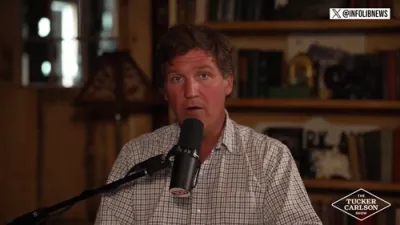
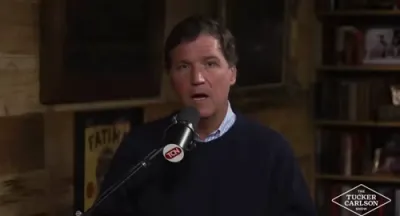
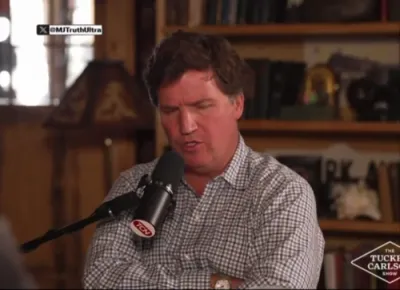
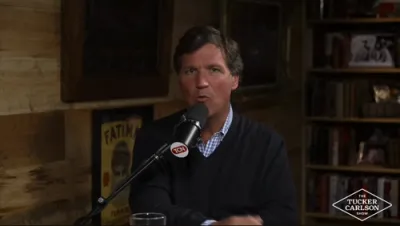
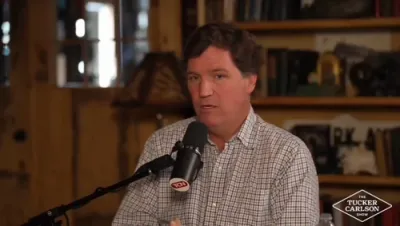
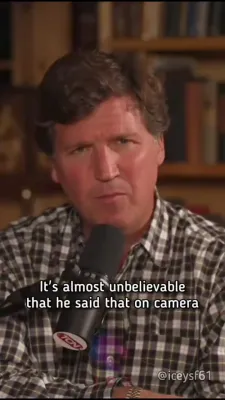
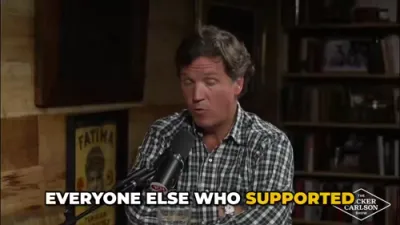
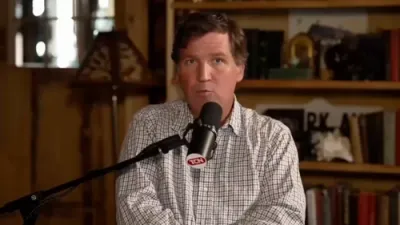
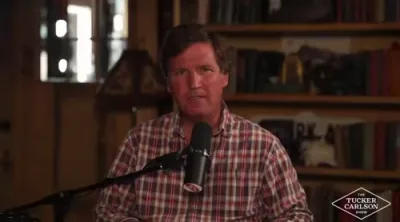
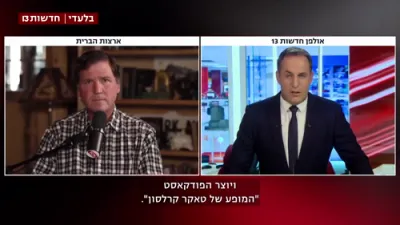
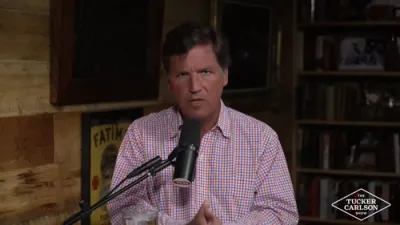
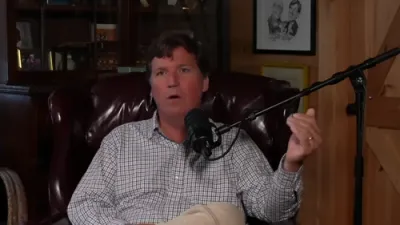
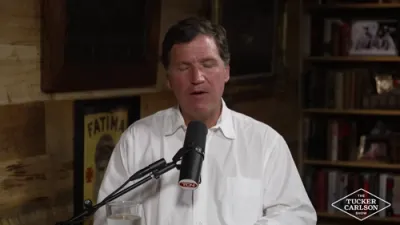
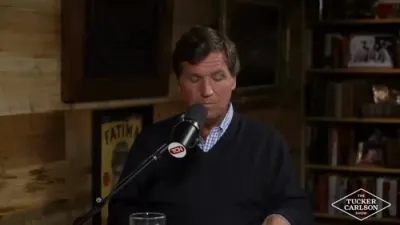
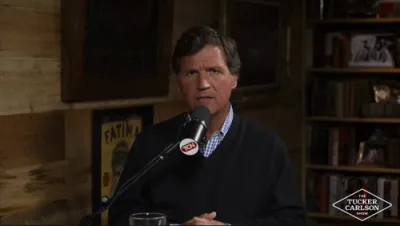
Tucker Carlson is facing a wave of backlash after mocking the phrase "Islamic jihad" during a recent segment, laughing it off with the dismissive line "whatever that is." The comment came as Carlson was criticizing people who cited concerns about Islamic jihad, Hamas, and Hezbollah to explain their opposition to Kentucky Congressman Thomas Massie. Clips of the moment spread quickly online, with critics accusing Carlson of treating a term tied to one of the deadliest attacks in American history as a punchline. The remark has reignited a broader argument over how Carlson talks about Islam, jihad, and the legacy of 9/11 on his show.
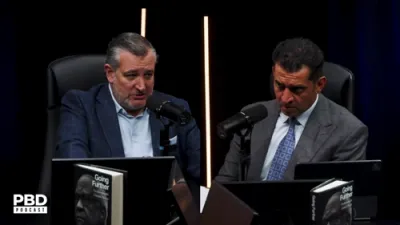
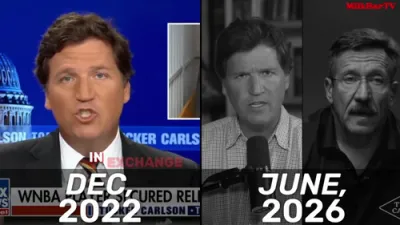
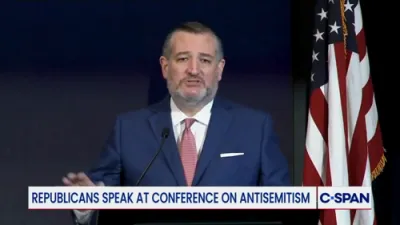
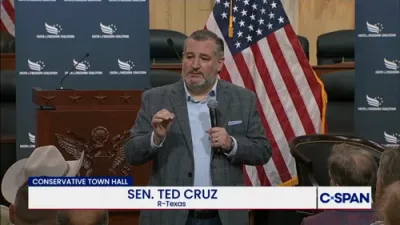
The backlash has come from both conservative and mainstream commentators, some of whom pointed out that Carlson has used the term "jihad" seriously in the past, making his recent posture look like a deliberate shift rather than genuine confusion. Senator Ted Cruz was among those who mocked Carlson's comments online, and columnists at several outlets accused him of downplaying a threat he once took seriously. Critics have also tied the remark to other recent statements from Carlson, including his claim that he doesn't know of any Americans killed by radical Islam in the last 24 years, a timeframe that critics note conveniently excludes the September 11, 2001 attacks that killed nearly 3,000 people. He has also described Hamas as more of a political organization than a jihadist group, a characterization that has drawn sharp criticism from foreign policy commentators and Israel's supporters alike.
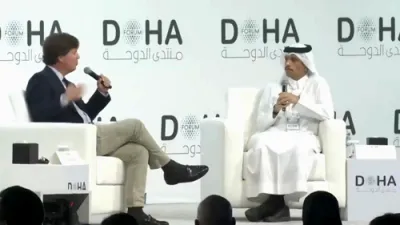
Carlson's defenders frame his recent commentary differently, arguing he's pushing back against what he sees as exaggerated post-9/11 narratives that painted global Islam as a monolithic threat to justify decades of American military intervention in the Middle East. Over the past couple of years, Carlson has traveled extensively through the Arab world, spoken favorably about aspects of Islamic law, and argued that fears of radical Islam have been used to manufacture support for wars that didn't serve American interests. Supporters see this as a legitimate, if controversial, foreign policy argument about proportionality and threat assessment. Critics counter that mocking the phrase "Islamic jihad" specifically, given its direct connection to 9/11, crosses a line from policy critique into minimizing an attack that killed thousands of Americans.
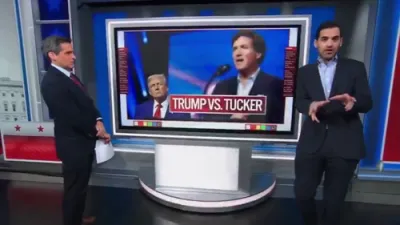
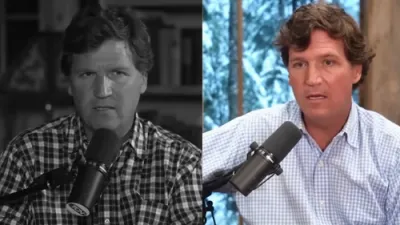
The controversy shows no signs of fading, with commentators across the political spectrum continuing to weigh in on whether Carlson's rhetoric reflects a genuine ideological evolution or something else entirely. For some, the moment is being read as further evidence of a broader shift in Carlson's worldview since leaving Fox News in 2023, one that has increasingly put him at odds with longtime allies on the right. Others see it simply as Carlson being provocative for engagement, a tactic that has defined much of his post-Fox career. Whatever the explanation, the phrase "whatever that means" has become a flashpoint, with critics arguing it trivializes an attack still deeply felt by the American public, and supporters arguing the outrage itself proves how effective the original propaganda around "Islamic jihad" has been.