PAKISTAN-IRAN TIES: PM Sharif Calls Tehran A “Brotherly" Neighbor, Hails Close Relationship
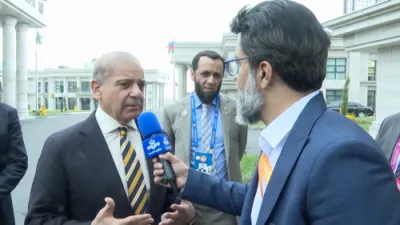
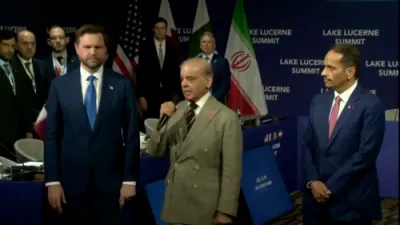
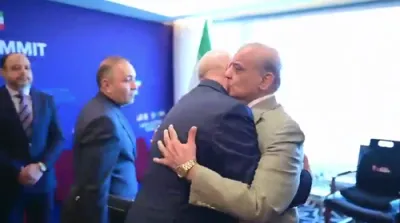
Pakistan’s Prime Minister Shehbaz Sharif has described Iran as a brotherly and neighboring country, underscoring the deep warmth that defines relations between the two nations. Speaking after recent interactions with Iranian counterparts, Sharif said every meeting brings great happiness and satisfaction, comparing the encounters to two brothers coming together to discuss important matters. He emphasized the natural closeness that exists between Islamabad and Tehran, rooted in shared history, culture, and geography. The remarks come at a time when regional stability remains a pressing concern for both governments. Sharif made clear that the personal and official bonds continue to strengthen with each high-level exchange.
In his comments, the Pakistani leader stressed the value of open dialogue on critical issues facing the region. He portrayed the relationship as one of mutual respect and understanding that goes beyond formal diplomacy. According to Sharif, the ease and comfort of these conversations allow both sides to address challenges candidly and constructively. He expressed confidence that continued engagement will yield positive results for the people of Pakistan and Iran alike. The tone of his statement was notably warm and optimistic, reflecting a deliberate effort to highlight unity rather than differences.
Sharif went further by outlining a shared vision for the future. He voiced hope that Pakistan and Iran will work together to promote peace across the region and help de-escalate current tensions. The prime minister framed this cooperation as a natural extension of their brotherly ties, suggesting that joint efforts could ease pressures that have unsettled the broader neighborhood. By linking bilateral friendship directly to regional stability, he positioned the partnership as a potential force for calm. Observers note that such public affirmations often signal intent to maintain steady communication channels even amid complex geopolitical currents.
The language chosen by the Pakistani premier carries significant weight in diplomatic circles. Referring to Iran as a “brotherly” neighbor is a familiar and powerful expression in South Asian and Middle Eastern political culture, conveying trust and solidarity. Sharif’s decision to use it publicly reinforces the message that Islamabad views Tehran as a close partner rather than a distant neighbor. He also highlighted the emotional satisfaction that comes from these meetings, adding a personal dimension rarely emphasized in standard official statements. This blend of sentiment and strategy aims to reassure both domestic audiences and international partners of the relationship’s strength.
Regional analysts see the comments as part of a broader pattern of outreach between the two countries. Pakistan and Iran share a long border and face overlapping security, economic, and energy interests that require regular coordination. Sharif’s emphasis on de-escalation suggests both sides recognize the risks of wider instability and prefer dialogue over confrontation. By publicly committing to collaborative peace efforts, the prime minister is signaling readiness to play a constructive role. The statement leaves room for further concrete steps, including possible future meetings or joint initiatives that could translate warm words into practical cooperation.
Overall, Shehbaz Sharif’s remarks paint a picture of a relationship marked by genuine goodwill and strategic purpose. He presents the Pakistan-Iran connection as both emotionally fulfilling and politically useful, capable of contributing to a calmer regional environment. As the two neighbors continue their exchanges, the focus remains on turning expressions of brotherhood into tangible progress on peace and stability. The prime minister’s clear and heartfelt language is likely to be welcomed in Tehran and watched closely by other capitals monitoring South Asian and Middle Eastern dynamics.