OIL SPIKES, TANKERS VANISH: Iran Threatens Sanctions Zone at Strait of Hormuz
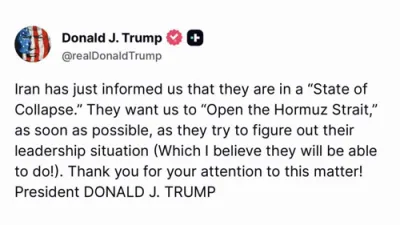
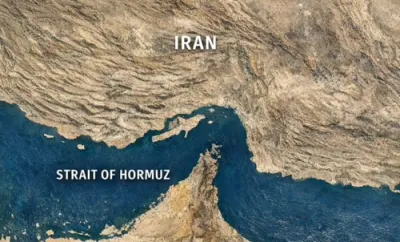
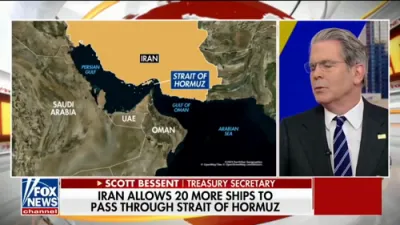
Tensions in the Persian Gulf have reached a dangerous new peak after Iran announced plans to declare a restricted zone stretching from the edge of the U.S. naval blockade line, through the Strait of Hormuz, and into the Persian Gulf itself. Mohsen Rezaei, secretary of Iran's Supreme National Security Council, revealed the plan in an interview with state broadcaster IRIB, warning that any vessel entering the zone with the intent to transit the strait will be placed on Tehran's sanctions list. According to Rezaei, ships caught in violation would face consequences affecting their insurance coverage and their future ability to pass through one of the world's most critical shipping corridors. The announcement effectively puts commercial shipping companies on notice that the waterway, already treacherous, is about to become even riskier to navigate.
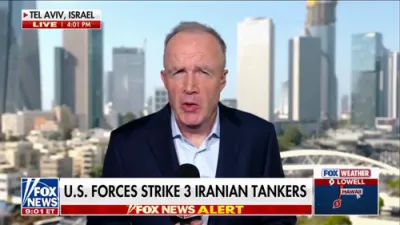
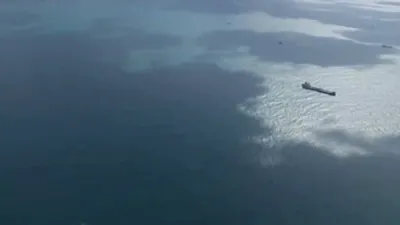
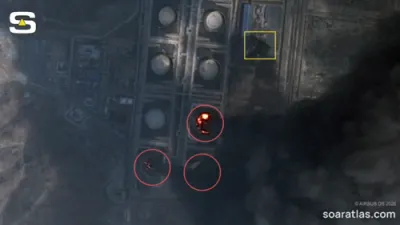
The declaration comes on the heels of a violent weekend exchange between the United States and Iran. U.S. forces struck three Iranian oil tankers after Iranian missiles targeted American Navy vessels, and Iran's Revolutionary Guard Corps responded by hitting additional ships in the region. The tit-for-tat escalation has severely disrupted maritime traffic through the strait, a lifeline for global energy markets, with daily vessel traffic collapsing from a typical range of 125 to 140 ships down to roughly 10 per day. That dramatic drop reflects just how unwilling shipping companies have become to risk sending crews and cargo through waters now caught between competing blockades and active military strikes.
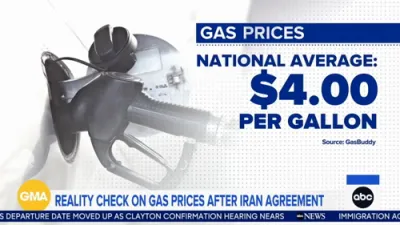
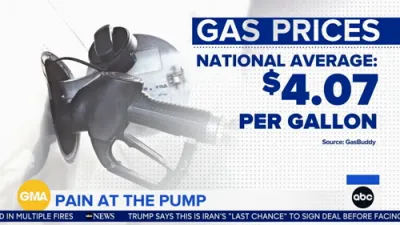
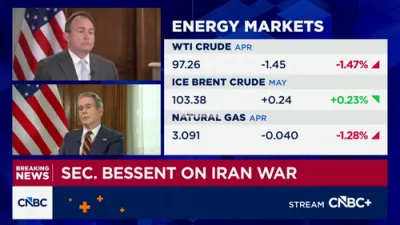
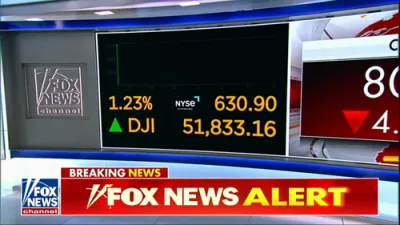
The economic fallout has been immediate and significant. Oil prices have surged as a direct result of the disruption, with Brent crude climbing to around 97 dollars a barrel and West Texas Intermediate reaching roughly 92 dollars a barrel. Given that the Strait of Hormuz has historically carried close to a quarter of the world's seaborne oil trade, even a fraction of that normal traffic being cut off is enough to send ripples through global energy markets. Rezaei tied the prospect of safe passage directly to a demand that attacks on Iranian assets come to an end, framing the restricted zone as leverage rather than a permanent closure.
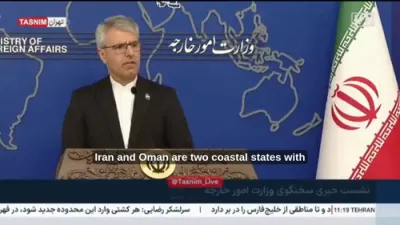
Alongside the threat, Iran is also pursuing a diplomatic path of sorts, advancing a new shipping corridor agreement with Oman that would give Tehran greater control over entry and exit points along the strait. The dual approach, threatening sanctions on one hand while negotiating an alternative corridor on the other, suggests Iran is trying to reassert control over the waterway without fully shutting it down. For now, the situation remains fluid and highly volatile, with global shipping firms forced to weigh the financial cost of avoiding the strait against the physical risk of trying to pass through it. Whether Rezaei's threatened zone materializes exactly as described, and how the United States responds to it, will likely determine whether this crisis eases or intensifies further in the days ahead.