NO GUNS, NO GOVERNMENT: Kushner Says Gaza Handover Hinges on Disarmament
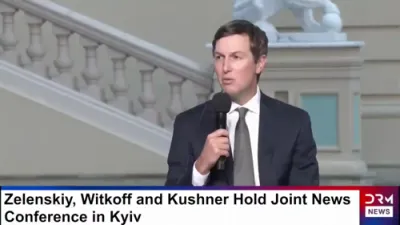
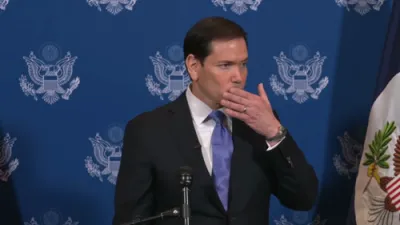
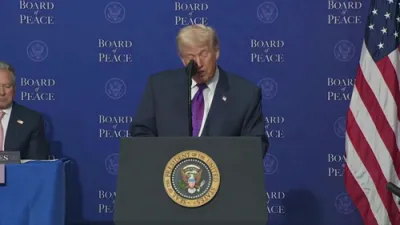
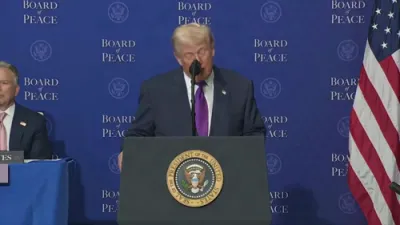
Speaking at a press conference in Kyiv alongside U.S. Special Envoy Steve Witkoff and Ukrainian President Volodymyr Zelensky, Jared Kushner delivered one of his most candid assessments yet of the obstacles standing between Gaza and a functioning postwar government. Kushner, who serves as a U.S. special envoy and sits on the executive board of the Trump administration's Board of Peace initiative, confirmed that a new technocratic Palestinian government has already been formed, distinct from both the Palestinian Authority and Hamas. That government, he explained, has built a plan to move forward, but there is one non-negotiable condition standing in its way: it cannot physically enter Gaza while weapons remain scattered throughout the territory. As Kushner put it plainly, you simply cannot send a government into a place where guns are still present.
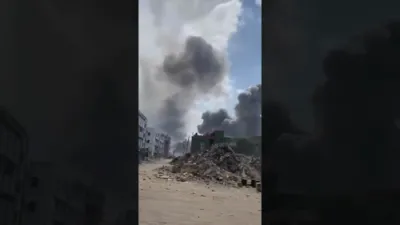
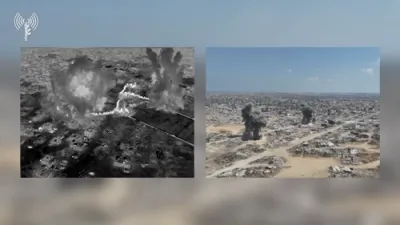
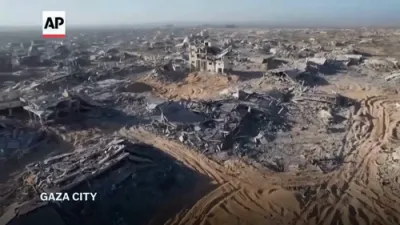
What makes the situation particularly difficult, according to Kushner, is the sheer scale of what American officials are only now beginning to uncover. He described the extent of Gaza's militarization as being beyond comprehension, a phrase he repeated for emphasis to underscore just how much weaponry and military infrastructure remains embedded throughout the territory. This isn't a minor logistical hurdle, he suggested, but a deeply layered challenge involving both visible arms and infrastructure buried beneath the surface, including tunnel networks that have long served as a backbone of militant activity in the Strip. Kushner acknowledged that Washington has spent more than four months working directly with Hamas on this exact issue, during which the group formally committed to demilitarization.
Despite that commitment, Kushner was careful not to overpromise a quick resolution, stating outright that demilitarizing the Strip will not be easy. Still, he offered a cautiously optimistic timeline, saying progress could potentially be seen within as little as thirty days on efforts to begin removing weapons, with work on filling in tunnel networks possibly beginning within sixty to ninety days. He was clear, however, that any of this progress depends heavily on cooperation from all sides involved, a condition that remains far from guaranteed given the volatile situation on the ground. Even as ceasefire terms are technically in place, Hamas has continued to pose challenges, including incidents where explosive devices have targeted Israeli military vehicles operating near the buffer zone inside Gaza.
Kushner's comments arrive at a politically delicate moment, as he also acknowledged that Israel's upcoming election is complicating the broader implementation of the Board of Peace's plan for Gaza. He described the current Israeli government's posture as a little irrational amid the election period, even while stressing that the United States and Israel remain broadly aligned on their ultimate objectives for the territory. This tension between long-term strategic alignment and short-term political friction captures the fragile nature of the entire peace effort. For now, the technocratic government waiting to take charge of Gaza's reconstruction remains in limbo, its entry contingent on a disarmament process that even its chief American architect admits is only beginning to reveal how complicated it truly is.