RUBIO DRAWS THE LINE: US Refuses to Follow UK's Israel Settlement Ban
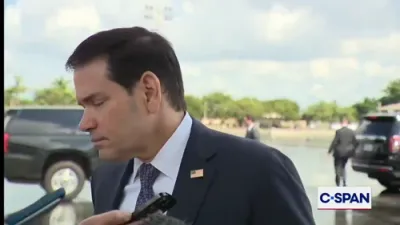
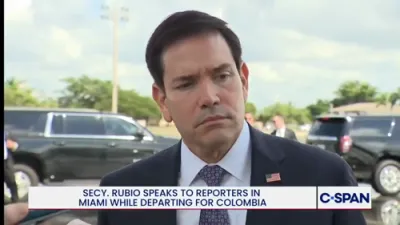
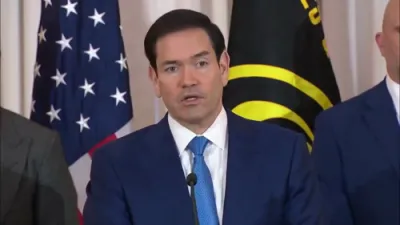
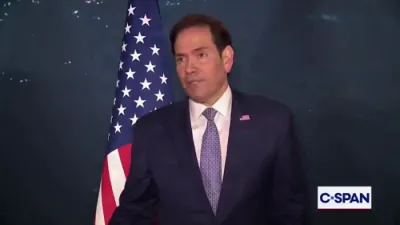
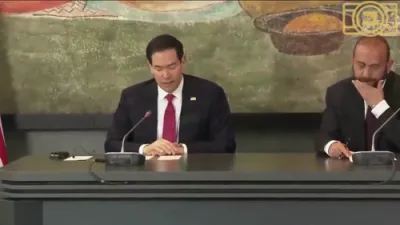
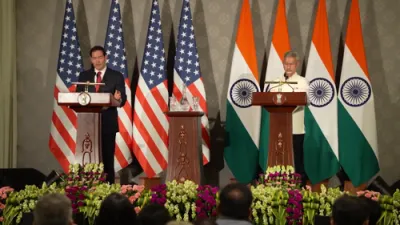
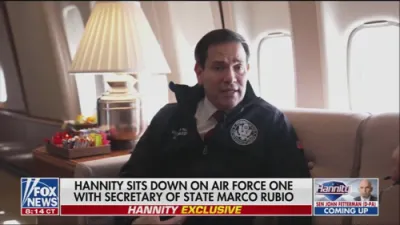
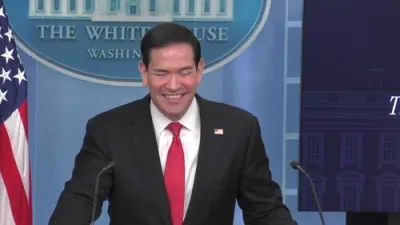
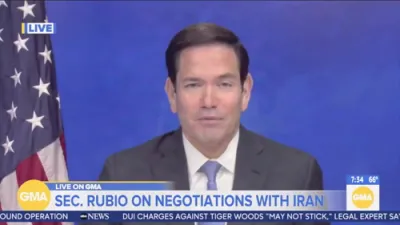
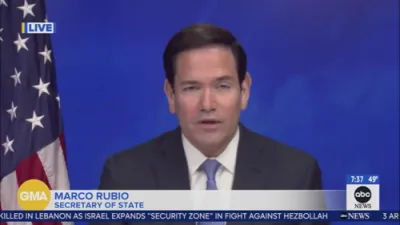
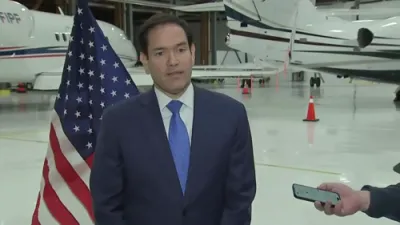
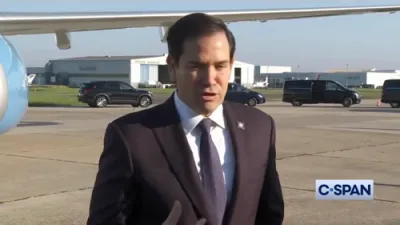
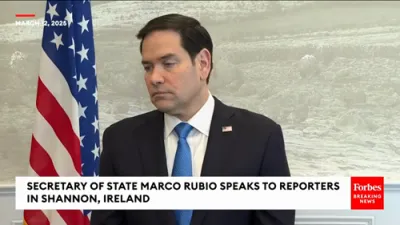
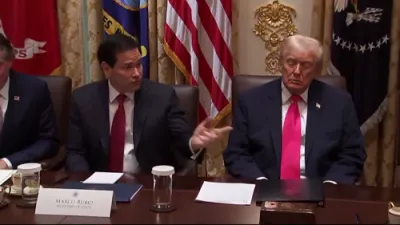
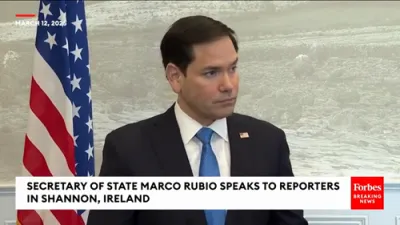
Secretary of State Marco Rubio made it clear on Tuesday that the United States has no intention of following Britain's lead on Israel, telling reporters plainly that Washington isn't going to do what the U.K. did. He acknowledged seeing the announcement, but stopped short of offering any real reaction beyond that, saying he didn't have a comment on it at the moment. It was a notably brief response to what has quickly become one of the most significant diplomatic splits between the U.S. and its closest allies over the Israeli-Palestinian conflict in years. Rubio's careful restraint stood in sharp contrast to the sweeping policy shift Britain had just unveiled hours earlier.
That shift was substantial. British Foreign Secretary Ed Miliband announced a ban on imports of goods produced in Israeli settlements in the occupied West Bank, alongside new sanctions targeting entities that support settlement expansion. Miliband went further than just economic measures, accusing Israeli settlers of carrying out ethnic cleansing against Palestinians and formally declaring it UK policy that the settlements are unlawful under international law. The moves were framed as a comprehensive reset of Britain's approach to Israel, and they didn't happen in isolation. France and Canada announced coordinated action of their own on the same day, with leaders from all three countries issuing a joint statement describing the steps as necessary to protect the future of a two-state solution.
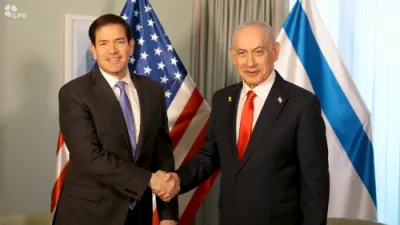
The reaction from Washington wasn't just muted, it carried a warning. Rubio suggested the coordinated sanctions could complicate US-led diplomatic efforts, saying the moves have implications for American progress on Gaza, including the administration's 20-point plan and its broader peace initiative. He also noted the US doesn't want to see anything destabilizing happening in the West Bank given how much else is unfolding across the region right now. That reasoning puts the Trump administration in an unusual position, standing apart from three of its closest traditional allies just as they've chosen to take a harder public line against Israeli settlement policy than Washington has been willing to accept.
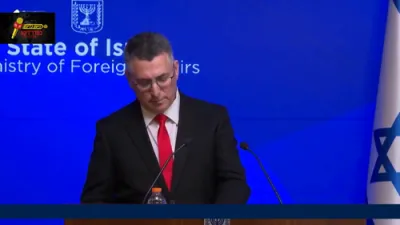
Israel's response to the announcement was swift and pointed. Officials confirmed plans to close the British consulate in East Jerusalem, suspend participation in a U.S.-led Gaza coordination mission, and bar several British nationals from entering the country. Israeli Foreign Minister Gideon Saar accused London of interfering in Israel's internal affairs, while President Isaac Herzog warned that Britain would end up on the wrong side of history over the decision. With the UK, France, and Canada now moving in one direction and the United States firmly declining to follow, the settlement ban has become less about trade policy and more about a widening rift among Western allies over how far to push Israel on an issue that has divided them for years.