DAYLIGHT STRIKE: Israeli Drone Hits Motorcycle in South Lebanon, One Dead
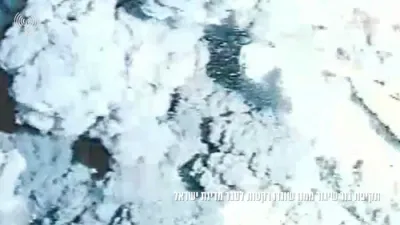
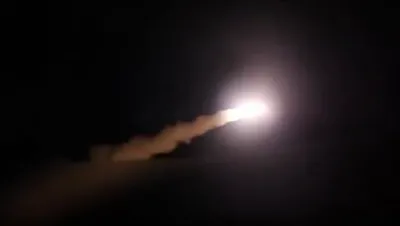
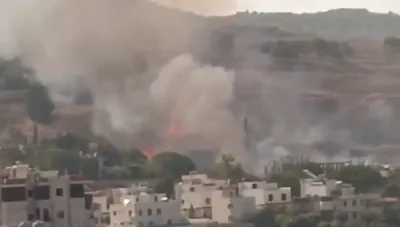
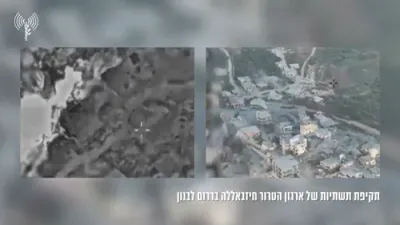
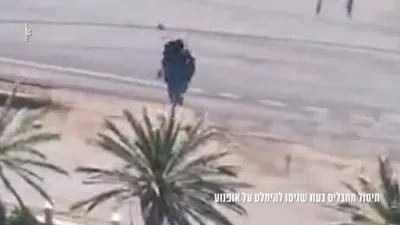
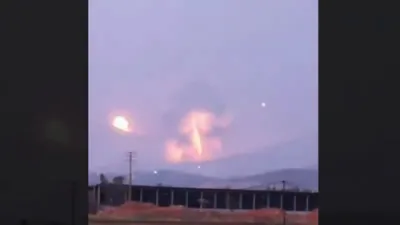
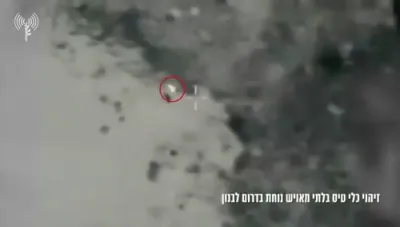
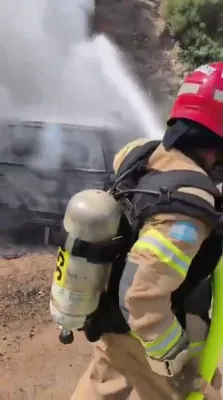
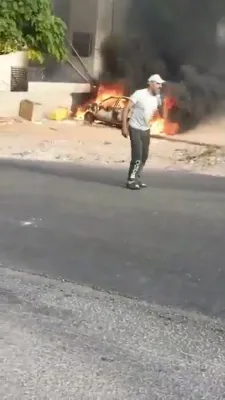
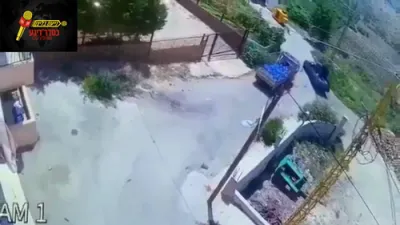
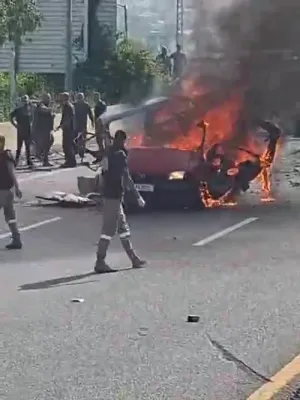
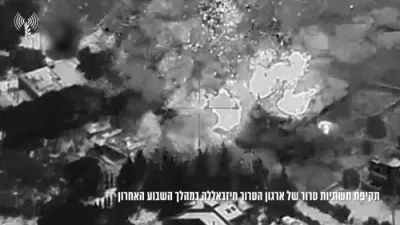
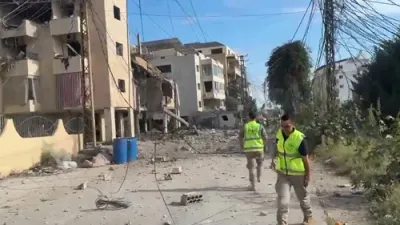
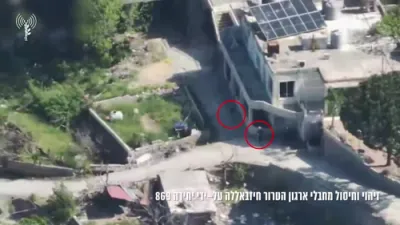
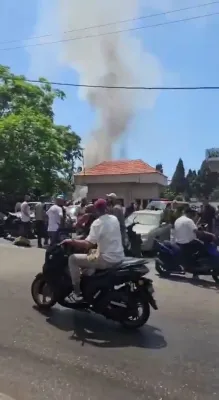
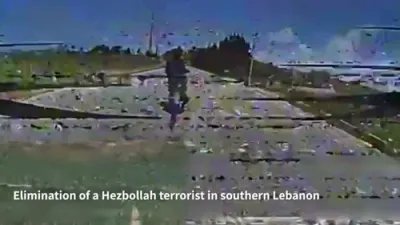
An Israeli drone struck a motorcycle on the road linking Zebdine and Harouf in southern Lebanon's Nabatieh district, killing the rider in broad daylight. Lebanon's civil defense agency confirmed the strike, and footage from the scene shows thick smoke, scattered debris, and bystanders rushing toward the wreckage moments after the attack. The strike hit a populated stretch of road, and the chaotic aftermath captured on video underscores just how quickly these attacks unfold, leaving little to no warning for civilians nearby. As of the time of reporting, the Israeli military had not issued any public comment on the incident.
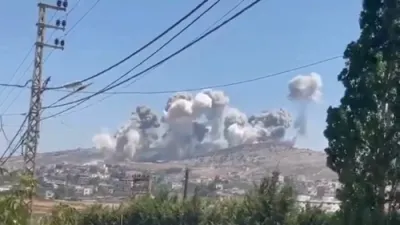
This strike didn't happen in isolation; it came even as a fragile sense of calm appeared to be settling back over parts of southern Lebanon. Just hours earlier and in the same general timeframe, Israeli artillery had shelled several southern towns overnight, including Kfar Remman, al-Mansouri, Wadi Zebqine, Mays al-Jabal, and Qabrikha, while additional strikes hit Nabatieh al-Fawqa, Wadi Slouqi, and Kfartebnit. Israeli forces also reportedly carried out controlled detonations in al-Mansouri around the same period. That combination of shelling, airstrikes, and now a targeted drone strike on a motorcycle paints a picture of an area where "relative calm" remains a fragile and temporary state rather than a lasting reality.
The timing carries extra weight given what had just preceded it. This latest strike followed a three-day escalation in the Nabatieh region that left 27 people dead and 69 wounded, a toll that had prompted local, Arab, and international efforts aimed at bringing the violence back down. Diplomatic momentum toward de-escalation appeared to be building right up until this attack, making the strike on the Zebdine-Harouf road a stark reminder of how quickly gains on that front can be undercut. Motorcycle strikes in particular have become a recurring feature of Israel's drone campaign across southern Lebanon in recent months, with similar attacks killing riders and passengers in towns like Kunin, Deir al-Zahrani, and areas near Nabatieh throughout the year.
This pattern of strikes is unfolding against the backdrop of a U.S.-brokered framework agreement signed between Beirut and Tel Aviv back in June, which was meant to pave the way for a gradual Israeli withdrawal from Lebanese territory in exchange for Hezbollah's disarmament and a full deployment of the Lebanese army in the south. Despite that agreement, Israeli operations have continued largely unabated, with Lebanese authorities reporting thousands of deaths and widespread displacement since the broader assault began earlier this year. Whether this latest killing triggers a fresh round of retaliation or simply folds into the ongoing pattern of low-intensity strikes remains to be seen, but it adds one more data point to a ceasefire that, in practice, continues to look far from settled.