BOMBER DEPLOYMENT: Armed U.S. B-1B Departs Key UK Base Amid Iran Campaign
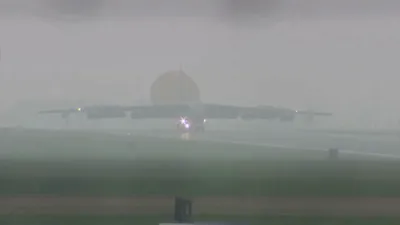
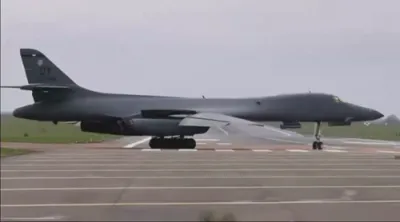
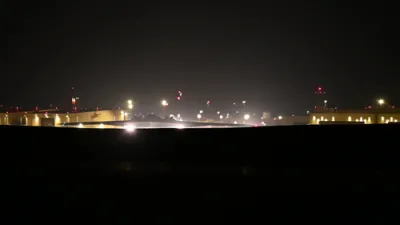
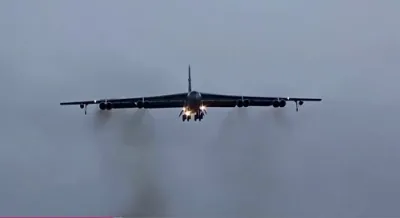
A U.S. Air Force B-1B Lancer long-range strategic bomber departed RAF Fairford in the United Kingdom roughly an hour ago, its afterburners visibly engaged during the takeoff roll. The powerful engines roared as the aircraft climbed away from the Gloucestershire base, a sight that has become familiar yet still striking to observers. While full afterburner use can signal a heavy load of munitions, crews also employ it routinely during training sorties, leaving the exact payload status unconfirmed in real time. RAF Fairford has functioned as a primary forward operating location for American B-1B bombers throughout the ongoing Iran campaign, enabling long-range strike missions from British soil.
This latest departure continues a pattern of sustained bomber activity from the base, where U.S. forces have staged aircraft for repeated operations against Iranian targets. The combination of afterburner power and the aircraft’s established role in the campaign naturally sparks questions about whether the flight represents another combat sortie or continued readiness training. Spotters and open-source trackers closely monitor these movements, knowing each launch from Fairford carries potential strategic weight in the wider conflict. The dramatic visual of the Lancer thundering skyward keeps attention fixed on the base’s central place in American power projection across the region.