ALLIES AT THE TABLE: Trump Courts Turkey, Syria, Gulf States At UNGA
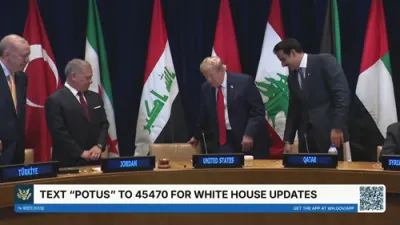
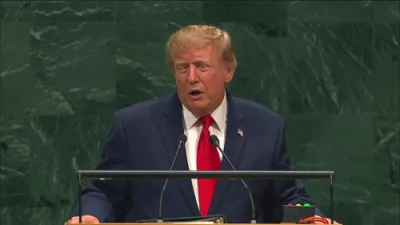
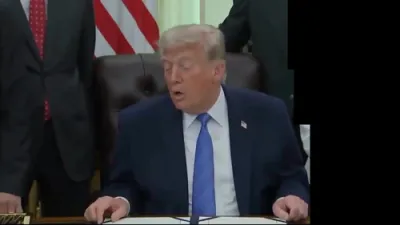
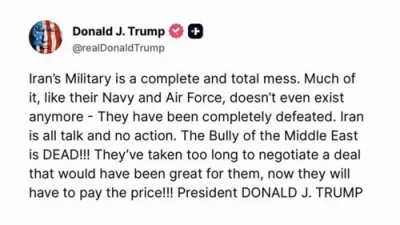
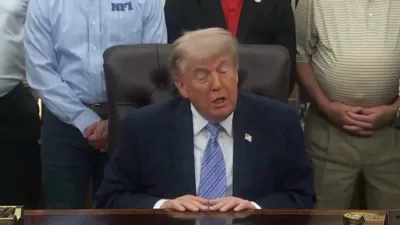
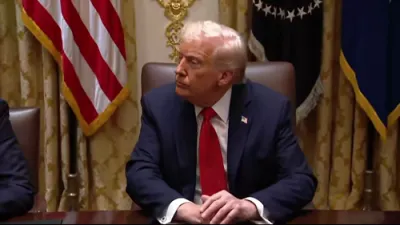
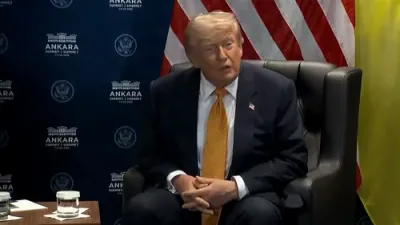
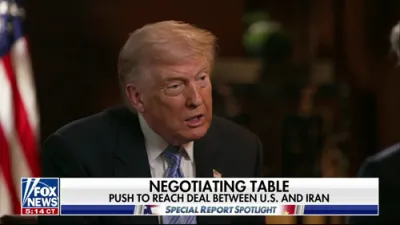
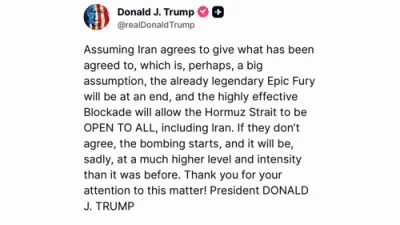
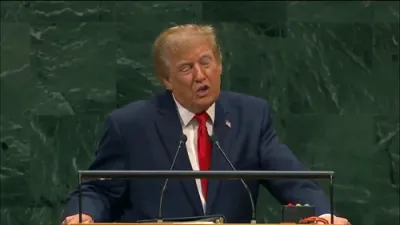
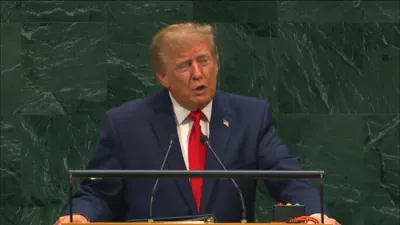
President Trump gathered a striking lineup of Middle Eastern power players on the sidelines of the UN General Assembly, sitting down with Turkish President Erdogan, Jordan's King Abdullah II, Qatar's Emir Tamim, Syrian President al-Sharaa, and leaders from across the Gulf and Arab world. The closed-door meeting on September 22 came as the region grapples with the fallout from the ongoing US-Iran conflict, now stretching on for months and rattling energy markets through disruptions near the Strait of Hormuz and the Red Sea. Trump told the assembled leaders there was real momentum building toward a deal with Iran, pointing to a recent multi-hour session between American and Iranian officials as evidence talks are moving in the right direction. He also took time to single out individual leaders for praise, calling Erdogan tough and someone not to be underestimated, while describing the group as among America's closest friends and partners in the region.
Beyond the warm words, the leaders used the sit-down to press their own concerns, with several Gulf officials pushing for a coordinated path forward on security, peace, and economic stability rather than leaving those questions unresolved as the Iran conflict grinds on. Jordan's King Abdullah described the discussion as very good, while Syria's al-Sharaa used the sidelines of the summit to reveal his government had come close to a security agreement with Israel before those talks stalled. No sweeping breakthrough or formal announcement emerged from the meeting itself, but the sheer breadth of leaders willing to sit at the same table with Trump signals just how much weight Washington still carries in shaping the region's next move. With Gulf states caught between fears of further escalation and the risk of an eventual US pullback, all eyes now turn to whether this diplomatic momentum can translate into something concrete.